
The Melbourne casino in 2026: Crown, the IGA, and the offshore brands that cannot legally serve Australians
A Melburnian asking for the best casino in the city gets one answer that holds up in 2026 and a long list of online results that do not. Crown Melbourne, on the south bank of the Yarra, is the only casino licensed in Victoria. The Interactive Gambling Act 2001 makes it an offence to offer online casino games to anyone in Australia, and every offshore brand that surfaces in a “best casino Melbourne” search is operating against that rule — which is the framework the ACMA has been enforcing, with 1,751 websites blocked since the first blocking request in November 2019.

This page works through the distinction honestly. It starts at Crown Melbourne itself — the venue, its games and what a visitor needs to know — then widens to other licensed Australian casinos worth comparing, then turns to the IGA prohibition and the brands the ACMA has formally warned for crossing it. The blocking record since November 2019 is its own section, because the cumulative total is the clearest single measure of how much offshore supply has actually been removed from Australian reach.
Verified against the ACMA’s formal-warning register and the Victorian Gambling and Casino Control Commission’s published materials as of 28 October 2026.
Table of Contents
- Crown Melbourne is the only casino licensed in Victoria, on the south bank of the Yarra
- What the Crown gaming floor runs: 540 tables, 100 poker tables and 2,500 pokies
- Other licensed Australian casinos, for comparison
- Crown Melbourne fundamentals: age, ID, hotels and the rooftop bars
- The prohibition: what the IGA actually says and does
- Player wellbeing in Australia
- Brands the ACMA has formally warned
- What the ACMA’s blocking record actually looks like
- Frequently asked questions
Crown Melbourne is the only casino licensed in Victoria, on the south bank of the Yarra
The casino that any Melburnian or visitor will end up at is Crown Melbourne, and there is no choice to be made inside Victoria. It is a single licensed venue, integrated into a hotel and entertainment complex that occupies roughly 510,000 square metres — about two city blocks — on the south bank of the Yarra, directly across the river from the central business district. On the figures cited by the Victorian regulator and the complex itself, it is the largest casino complex in the Southern Hemisphere.
That footprint comes with a history. Crown first traded temporarily on 30 June 1994, in the World Trade Centre on the Yarra’s north bank, while the permanent south-bank building was still being completed. The permanent building, designed by Bates Smart, Perrott Lyon Mathieson and Daryl Jackson, opened on 8 May 1997 and has been the venue’s home since. The architectural brief combined a hotel and entertainment resort with a gaming floor of a scale that did not previously exist in Australia, and the complex has set the template for Australian integrated-resort casino design ever since.
What the Finkelstein Royal Commission actually found
The complex that stands on the south bank today is also a complex that has been formally investigated, fined and placed under special oversight within the last five years. In October 2021, the Finkelstein Royal Commission into the Casino Operator and Licence concluded. It found what it called evidence of money laundering at Crown Melbourne and strong ties to organised crime flowing through the venue’s operations. Rather than revoke the licence outright, the Commission placed Crown under a two-year review period overseen by a court-appointed Special Manager — an arrangement that has shaped how the venue operates since.
The findings landed alongside two practical consequences. First, fines. Victoria’s gambling regulator fined Crown Melbourne A$80 million in June 2022 for processing A$164 million in illicit payments through the venue, then A$120 million in November 2022 for a decade of responsible-gambling breaches — including letting patrons gamble for more than 24 hours without a break. The total of A$200 million in penalties is the figure a reader should hold in mind when reading the marketing language around the venue. Second, legislation. The Victorian government’s Casino and Gambling Legislation Amendment Act 2021, passed in response to the Royal Commission, created the Victorian Gambling and Casino Control Commission (VGCCC) as Crown’s dedicated regulator, replacing the older Victorian Commission for Gambling and Liquor Regulation for casino-specific matters, and banned junket operations at Victorian casinos entirely. Junkets — organised high-roller trips from overseas — were central to the original misconduct findings, and the post-2021 framework does not accommodate them.
The current operator and what it owns
Crown Resorts owns the venue. The ownership history matters less than the regulatory position: it is a publicly listed Australian company, it holds three of Australia’s six state-level casino licences (Melbourne, Perth and Sydney), and it now operates Melbourne under VGCCC oversight rather than the looser pre-2021 arrangement. Publishing and Broadcasting Limited — then run by James Packer — acquired the casino from founder Lloyd Williams’ operation in 1999, and the venue has been a Crown Resorts property since. The change in 1999 was an ownership change; the change after 2021 was a regulatory reset, and the latter has done more to shape what visitors encounter at the venue in 2026.
For a Melbourne-based reader, what Crown Resorts’ ownership of three Australian casinos does not offer is competition. There is no rival casino licence in Victoria. The 30,000-machine statewide cap on electronic gaming machines applies to the broader pub and club network rather than to Crown itself, and the 26,380 EGMs operating in 488 Victorian venues outside the casino in 2021–22 illustrates how concentrated the non-Crown EGM market is. Victorians lost a record A$3.318 billion on electronic gaming machines in 2025–26, according to the Victorian Local Governance Association; that figure covers the state, with Crown’s 2,500 machines representing a substantial share of the total.
Where Crown Melbourne sits in the broader Victorian market
The distinction that matters for visitors is between Crown and the broader pub-and-club EGM market. Crown is the only venue in Victoria licensed to run the full range of table games, poker and EGMs at the venue’s scale. Pubs and clubs run EGMs only, under the state-wide 30,000-machine cap, and under different regulatory and responsible-gambling arrangements to those that apply inside the casino. The Victorian pokies outside Crown — the 26,380 machines the VLGA tracks — operate under venue-level harm-minimisation requirements that do not apply to the casino floor, including mandatory closure periods and bet limits on the EGM itself.
The point for a visitor weighing whether to go to Crown or to a local pub is not which one is “better”. The point is that they are different categories of venue. Crown Melbourne is a resort-scale operation licensed to run a full casino floor. A pub or club with pokies is licensed to run EGMs only, on terms set by the state regulator for that venue type. Comparing them on EGM RTP alone misses the structural difference.
What the Crown gaming floor runs: 540 tables, 100 poker tables and 2,500 pokies
Crown Melbourne’s gaming floor spans about 220,000 square feet — roughly 20,000 square metres. Within that floor the venue runs 540 licensed table games, of which 100 are dedicated poker tables, alongside 2,500 poker machines. For a visitor, the practical version of those figures is: if a game is commonly played in a casino anywhere, Crown Melbourne runs it. The catalogue covers the games the broader Australian market uses, plus a poker operation that is unusually large by international standards.
Table games on the main floor
Blackjack, baccarat, roulette and craps are all available on the main gaming floor, with the standard table-game betting structure that applies in Australian casinos. Minimum and maximum stakes vary by table, and the specific limits on any given night depend on the floor configuration the venue is running. The high-roller gaming area — a separate room, formerly tied to the junket operation that the 2021 reform abolished — runs higher-stakes tables for patrons whose play warrants a separate room. The high-roller area’s 2026 format is materially different from the pre-reform junket-driven operation, in that the operator-organised international junket trips are no longer possible under the post-2021 framework.
Electronic table-game terminals are also available on the main floor, providing a faster game without a dealer-presented table for patrons who want the table-game experience at a quicker cadence. The configuration of the electronic-table area changes as the floor is updated, and visitors who want to know the specific layout at the time of their visit should check with the venue on arrival.
The 100-table poker room
The dedicated 100-table poker room is one of the larger poker operations in the Asia-Pacific region. Crown Melbourne has historically run major tournament series, including a leg of the World Poker Tour during the venue’s earlier operating era; the specific 2026 tournament calendar is not detailed in the regulator’s published materials, and the live schedule sits on the venue’s own promotions pages. Cash games run continuously on a subset of the 100 tables, with Texas hold’em the dominant variant. The poker room operates as a dedicated space within the licensed gaming area, with its own cage and tournament registration desk separate from the main casino cage.
For visitors used to standalone poker rooms elsewhere, the Australian version at Crown is integrated with the broader gaming floor rather than physically separated from it. Moving between the poker room and the main tables does not require a separate ID check, and the floor layout treats the 100-table room as one section of a larger operation.
The 2,500 pokies and how Crown’s floor compares to a pub
Crown’s 2,500 poker machines are the practical reason many locals end up at the venue. Australian EGMs — pokies — are well known for high volatility and continuous play, with a structural minimum return-to-player rate set by individual states. Victoria’s poker-machine minimum return is published in the VGCCC’s player-information materials; Crown’s specific return profile is not separately broken out from the floor-wide average in the publicly available figures, and visitors who want to know the exact figure for a specific machine need to read the help screen on the machine itself.
The state-wide context for that figure is significant. Victoria’s 30,000-machine cap means Crown’s 2,500 represents around 8% of the state’s total EGM footprint but a substantially higher share of the state’s EGM turnover, because the casino machines tend to operate at higher volatility and at higher average bet sizes than pub machines. The A$3.318 billion loss figure for 2025–26 is not split between Crown and the rest of the state in the VLGA’s published data, so the per-machine comparison is approximate rather than exact.
Other licensed Australian casinos, for comparison
For a Melburnian weighing whether the journey to a different Australian casino is worth the flight, the comparison set is shorter than the marketing pages suggest. Three state-level casinos carry meaningful scale, plus a fourth that has only just opened.
Adelaide Casino in South Australia
Adelaide Casino sits in the heritage-listed Adelaide railway station building on North Terrace in the South Australian capital. It runs 90 gaming tables and 950 gaming machines under a state-granted monopoly that runs to 30 June 2035 — the licence was formalised on 11 October 2013 and includes scope to expand to 200 tables and 1,500 EGMs subject to redevelopment. The casino is regulated by South Australia’s Independent Gambling Authority and the state’s Liquor and Gambling Commissioner, which sit outside the VGCCC’s jurisdiction.
The venue has been through two name changes. It opened on 12 December 1985 under South Australia’s state-owned Lotteries Commission, was sold to SkyCity Entertainment Group in June 2000, was rebranded SkyCity Adelaide in April 2001, then reverted to the Adelaide Casino name in 2009. The current branding is the older name under a different operational structure.
The A$330 million Riverbank precinct redevelopment of 2015–2021 added the EOS by SkyCity tower, which opened in 2021 with 120 hotel rooms and an expanded gaming floor. In the 2007–08 financial year the casino paid more than A$41 million in taxes and charges to the South Australian government; the 2026 figure is not published in the same form but the scale is broadly comparable.
The regulatory differences between Adelaide Casino and Crown Melbourne are worth a paragraph. South Australia imposes an 87.5% minimum return-to-player rate on EGMs outside the casino, plus a general A$5 maximum bet on EGMs outside the casino. Adelaide Casino itself has no maximum-bet limit on its gaming floor — a meaningful difference for visitors used to capped stakes at their local pub. South Australian EGM losses outside Adelaide Casino totalled about A$0.92 billion in 2022–23, equivalent to roughly A$497 per adult in the state.
Star Brisbane at Queen’s Wharf, and what replaced Treasury Casino
Brisbane’s former Treasury Casino, operated by Star Entertainment Group out of the heritage Treasury Building, closed on 25 August 2024 to make way for a new integrated-resort precinct. The replacement, branded Star Brisbane, opened in stages from 29 August 2024 at the A$3.6 billion Queen’s Wharf Brisbane precinct, with the main casino floor and premium gaming rooms opening first and the broader resort components following. Treasury Casino had been a three-level gaming emporium of 80 gaming tables and over 1,300 gaming machines, plus a hotel, six restaurants, five bars and a nightclub; Star Brisbane sits in a different precinct with different scale.
The opening came with caveats. Star Entertainment Group was already under regulatory scrutiny at the time, with public concerns flagged about the group’s licence position and ongoing inquiries in New South Wales. For a Melburnian weighing a trip to Star Brisbane in 2026, the venue is open and operating, but the operator’s standing is the kind of detail that affects how a reader weighs a visit. Queensland had 21,122 EGMs operating across 351 venues in October 2023, with Treasury Casino’s pre-closure 1,300-plus machine footprint now sitting inside Star Brisbane’s operation.
Crown Perth and Crown Sydney within the same operator’s network
Crown Resorts’ Perth and Sydney properties sit outside the same regulatory regime as Crown Melbourne. Crown Perth operates under the Western Australian Gaming and Wagering Commission, while Crown Sydney opened in late 2022 under the NSW Independent Casino Commission after its own Bergin Commission review — a separate inquiry that produced its own reform programme. For a Melburnian weighing Crown Perth versus Crown Melbourne, the games are broadly comparable but the regulatory framework, hotel configuration and entertainment calendar differ. Crown Sydney, as the new-build entry in the same group’s network, sits in the Barangaroo precinct on the harbour with a different market positioning from the south-bank Melbourne venue.
The same operator running three state-level licences is itself the structural reason an Australian casino comparison page has to set out the regulatory framework before the games. The games overlap; the rules do not.
Why a Melburnian would consider each, briefly
For a Melburnian weighing a domestic trip, the practical considerations are not the games — the games overlap across all four venues — but the rule frameworks, the operator standing and the trip cost. Adelaide is the cheapest domestic flight and offers a venue under a regulatory regime materially different from Victoria’s, with no maximum-bet limit on the gaming floor. Star Brisbane is the newest venue, but the operator’s regulatory position is a public-record concern. Crown Perth is the closest comparator within the same operator’s network, with similar games and a different state regulator. Crown Sydney is the most recently opened, with its own post-Bergin operating environment. None of these is a “best casino” replacement for Crown Melbourne; each is a different venue in a different regulatory environment.
Crown Melbourne fundamentals: age, ID, hotels and the rooftop bars
For someone who has decided Crown Melbourne is the venue, the practical information is shorter than the regulatory material above. The fundamentals — age, ID, dress, hotels, parking and the rooftop bars — are the things that decide whether the visit happens smoothly.
Age, ID and what to wear
The minimum age to enter Crown Melbourne is 18. Photo identification is required at the door — a driver’s licence, passport or Australian proof-of-age card will be accepted. The dress code on the main gaming floor is smart casual, with closed shoes and a collared shirt or equivalent expected. The venue’s own materials set out the specifics for the higher-end restaurants and bars within the complex, with some of those venues operating stricter dress codes than the gaming floor. Visitors in active wear or thongs will be turned away from the gaming floor rather than admitted and redirected.
Age verification happens at the entrance, and the venue maintains its own responsible-gambling program overseen by the VGCCC, which includes self-exclusion options. The state-wide YourPlay pre-commitment system also applies to EGMs at Crown, allowing a patron to set loss limits across multiple venues.
Hotels within walking distance, including Crown’s own
Crown Melbourne’s 1,604 hotel rooms sit across three towers on-site: Crown Towers, Crown Metropol and Crown Promenade. The three tiers cater to different price points, with Crown Towers at the upper end and Crown Promenade at the more accessible end. For visitors who want a hotel outside the complex but still within walking distance, the Southbank precinct offers several serviced apartments and mid-range hotels along St Kilda Road. The Melbourne Convention and Exhibition Centre and the Arts Centre Melbourne sit within the same walking radius.
For visitors who prefer a hotel in the CBD rather than Southbank, the walk across the bridge to a CBD hotel is around 15–20 minutes depending on the specific location. The Flinders Street Station end of the CBD is the closest cluster of hotels to Crown.
Parking, transport and the Southbank tram stops
Crown Melbourne operates its own multi-storey car park, with rates published on the venue’s site. For visitors arriving by tram or on foot, the complex is accessible from Flinders Street Station via the Southbank tram stops and the Sandridge Bridge pedestrian link. Trams 1, 12, 58, 96 and 109 all stop within walking distance of the complex, and the route 96 tram runs along Southbank’s edge.
The pedestrian route from the CBD to Crown crosses the Yarra, either via the Sandridge Bridge or via the Evan Walker Bridge. Both are accessible and well-signed. Visitors driving in from Melbourne Airport should budget around 30–40 minutes for the trip, longer at peak times.
The rooftop bars and the wider restaurant cluster
The rooftop bars are the specific draw that appears in the “best casino Melbourne” search alongside the casino itself, and they operate as a venue within a venue. Crown Melbourne runs several rooftop venues, including a 28th-floor bar and lounge area that overlooks the Yarra and the city skyline. The rooftop is open to venue guests and the public, with its own dress code and operating hours. For visitors who do not intend to gamble, the rooftop is the entry point into the complex that does not require photo ID at the gaming-floor door — though it does have its own entry requirements.
The wider complex carries more than 30 restaurants and bars within the resort footprint. The dining cluster is split between a high-end group on the upper levels — including several restaurants that have held hats in the Australian Good Food Guide — and a more casual cluster on the lower gaming-floor edges. For a visitor planning an evening that includes gambling, dining and the rooftop, the complex is designed so that the three activities can flow into each other without leaving the building.
The prohibition: what the IGA actually says and does
The reason a search for “best casino Melbourne” turns up dozens of offshore brand names is structural, not accidental. The Interactive Gambling Act 2001, strengthened by the Interactive Gambling Amendment Act 2017, makes it an offence to provide online casino games, online pokies or in-play betting to a person in Australia. No state or territory issues a licence for it. What is licensable is wagering on races and sport placed before the event, plus lotteries and keno — in practice licensed through the Northern Territory Racing and Wagering Commission for tax reasons. For a Melbourne-based reader, the practical version of this rule is that every offshore brand encountered in search results is operating against the local framework.
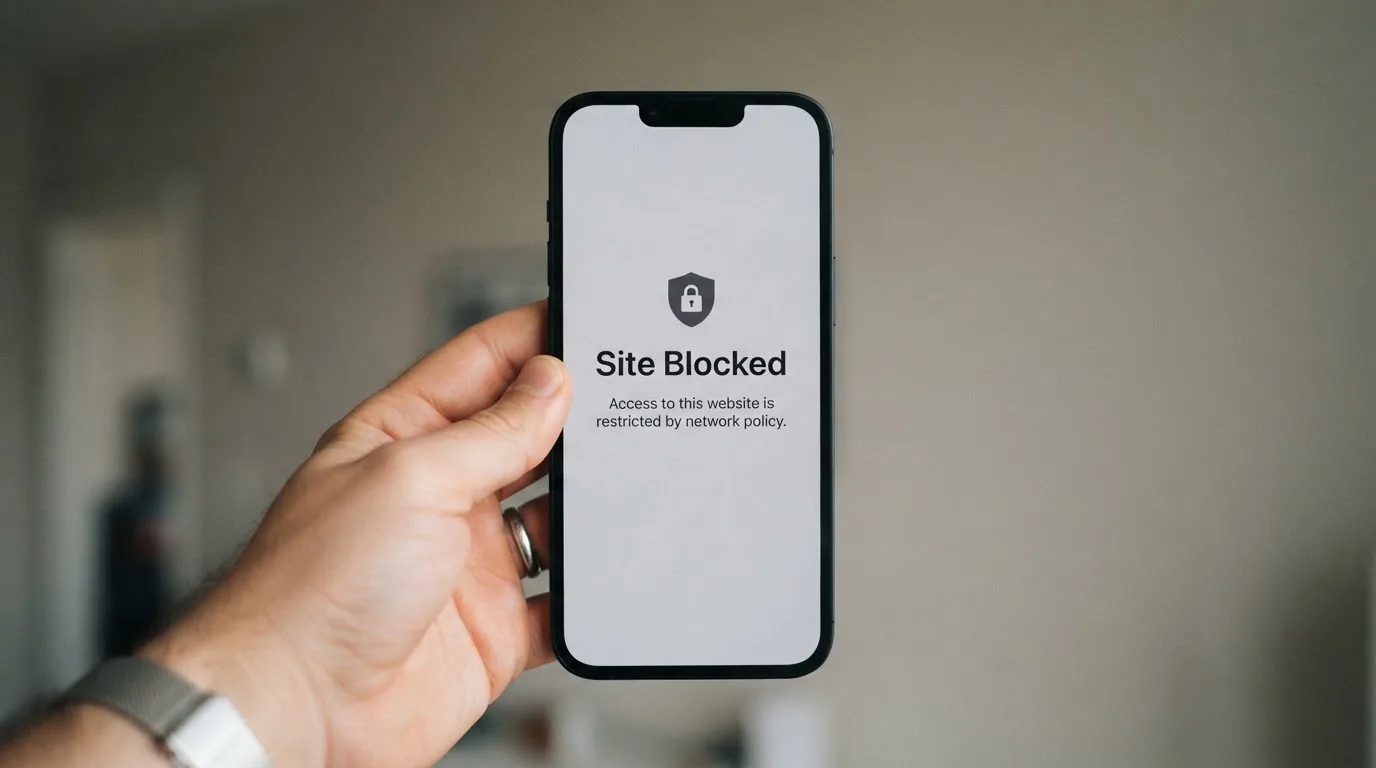
The offshore brands often claim to be “tailored for Australian players” — a phrase the ACMA’s enforcement record treats as evidence of a service targeting Australians, which is precisely what the IGA prohibits. The 1,751 blocked sites as of June 2026 include brands that ran exactly that pitch.
The Interactive Gambling Act 2001 and the 2017 amendment
The Interactive Gambling Act 2001 creates two relevant offences. First, it is an offence to provide a prohibited interactive gambling service to a person physically in Australia, regardless of where the service is hosted. Second, the Act creates offences for Australian customers using certain categories of interactive gambling service, though enforcement has historically focused on the provider rather than the individual player. The 2017 amendment tightened the definition of a prohibited service, added explicit coverage of in-play betting on sports, and gave the ACMA the explicit power to direct Australian internet service providers to block illegal services. The combination of provider-side offence and infrastructure-side enforcement power is what makes the Australian prohibition operationally meaningful rather than symbolic.
The carve-outs are narrow. Online wagering on racing and sport before the event is licensed under state and territory regimes, with the Northern Territory Racing and Wagering Commission overseeing 52 online bookmakers — including Sportsbet, Bet365 and Ladbrokes — for tax reasons. Lotteries and keno are licensed separately by state lottery operators. Online casino games, online pokies and in-play betting are not covered by any Australian licence. A wagering service provider licensed in the Northern Territory for sports and racing does not gain any authority to offer online casino games; the licence scope is specific.
What is licensed: the Northern Territory carve-out for wagering
The Northern Territory’s role in Australian online wagering is worth a paragraph because it is unusual. The Northern Territory Racing and Wagering Commission regulates 52 of Australia’s online bookmakers, despite the Northern Territory having a small population. The reason is tax: online wagering companies licensed there pay tax to the Territory regardless of where the customer sits, which makes the NT licence the practical choice for large-scale operators. The ABC reported on 7 April 2026 that the commission has no full-time staff and meets once a month in Darwin — a structural oddity given the size of the industry it regulates.
What the NTRWC’s role does not do is provide any cover for online casino games. The licence scope is racing and sports wagering before the event. An operator licensed by the NTRWC for sports betting cannot extend that licence to casino games, pokies or in-play betting without breaching the IGA. The 52 NTRWC-licensed operators are bookmakers, not casinos.
How the ACMA enforces it, from formal warnings to ISP blocks
The Australian Communications and Media Authority is the regulator that runs enforcement under the IGA. Its powers include investigating complaints, issuing formal warnings to operators, directing Australian internet service providers to block illegal services, and working with international regulators on cross-border action. As of June 2026, the ACMA had asked ISPs to block 1,751 illegal gambling and affiliate marketing websites since the first blocking request in November 2019. In the same period, more than 230 unlicensed gambling services had left the Australian market since enforcement was strengthened in 2017.
The most recent published blocking round, reported on 26 June 2026, removed 12 more sites: 7Signs, ChromaBet, Donbet, Duospin, Freshbet, Slots Gem, Jacks Club, Lucky Start, Pointsbetz.com, Spinrise, Vinyl Casino and Wildsino. The pace of blocking rounds varies — some target a handful of sites, others remove dozens in a single round — but the cumulative total has grown steadily since 2019. The blocking record is the operational measure of how much offshore supply has been removed from Australian reach, and the next section of this page works through what that rate actually means.
The formal-warning regime sits alongside the blocking regime. The ACMA publishes each formal warning on its website with the operator name and the date, and the warnings issued since 2022 cover a long list of offshore operators. The brands listed later in this page are drawn from that register.
What an offshore brand cannot do for an Australian player
For an Australian player, the offshore route runs on the operator’s house rules rather than Australia’s. The IGA targets the provider rather than the player, but the practical consequences for the player are real. An offshore casino gives no Australian consumer protection, no complaints body to take a dispute to, and no recourse if a withdrawal is refused. The site can be blocked with a balance still sitting in the player’s account, and there is no Australian regulator with jurisdiction to compel the operator to return it.
The marketing pitch of offshore casinos often claims they are “fully licensed” — and in many cases the underlying Curaçao or Malta licence is real. The relevant point for an Australian player is that no offshore licence provides the protections Australian law would require. The Australian Consumer Law does not apply to a Curaçao-licensed operator offering services to Australians against the IGA. A complaint to ACMA may result in enforcement against the operator but does not produce a refund for an individual player. The offshore route is therefore not just operationally illegal for the operator; it is also structurally unprotected for the player.
The payment rules that finish the picture
The payment rules reinforce the prohibition. Since 11 June 2024, credit cards, credit-related products and digital currency have been banned as payment for licensed online and phone wagering in Australia, with penalties up to A$247,500 for operators that breach the rule. The legal deposit routes for licensed wagering are debit card, bank transfer, PayID, Osko and BPAY.
A site asking an Australian customer for a credit-card deposit or a crypto deposit is operating outside the Australian rules, even where the operator claims a different regulatory home. For offshore casinos taking Australian play without the protections of an Australian licence, the payment method itself is often the simplest tell that the operator is not following local rules. A site offering only credit card and crypto, with no PayID or BPAY, is operating outside the Australian framework regardless of what its footer says.
The reform bill of 2026 and what it changes
The Interactive Gambling Amendment (Gambling Reform) Bill 2026 passed Parliament on 19 August 2026. Its advertising and inducement measures commence on 1 January 2027, which puts them outside the operative period of a 2026 page. The bill is law with a start date; it is not yet in force. The substantive picture for 2026 remains the IGA 2001 as amended in 2017, plus the ACMA’s enforcement record, plus the credit-card ban that took effect on 11 June 2024.
What the bill changes for 2027 onward is the advertising framework. The current prohibition is on providing prohibited services; the new measures extend to advertising and inducement. For offshore brands currently relying on Australian-facing affiliate marketing to drive traffic, the 2027 measures tighten the framework that already exists. For a 2026 page, the bill is on the horizon rather than on the books.
Player wellbeing in Australia
The legal landscape for online casino in Australia runs alongside a separate set of safeguards for players who do choose to wager. The licensed wagering market — sports and racing before the event, plus lotteries and keno — sits inside a player-protection regime that does not extend to offshore casino sites. For visitors to Crown Melbourne, the venue itself operates its own responsible-gambling program under the VGCCC’s oversight.

BetStop and the National Self-Exclusion Register
BetStop, the National Self-Exclusion Register, has been live since August 2023. It binds every Australian-licensed online and phone wagering service, meaning a person who registers for self-exclusion cannot open new accounts with licensed operators and existing accounts are closed within a defined period. The register is the structural answer to the problem of a self-excluded punter simply opening a new account with a different licensed bookmaker.
The register does not bind offshore casino sites. Those services are not part of the Australian regime and have no obligation to honour a BetStop registration. For a player who needs the protection BetStop offers, the licensed wagering market is the only space in which the registration operates. A self-excluded Australian who moves to an offshore casino is operating outside the framework the exclusion is built on, which is one of the reasons the ACMA’s blocking record matters from a player-protection perspective as well as from a regulatory-compliance one.
Help lines, counselling and where to start
The National Gambling Helpline is 1800 858 858, free, 24 hours a day, with online chat at Gambling Help Online. The service is federally funded and operated by state-based organisations, and it is the entry point for players who want help with a gambling problem, including help that operates across the licensed and unlicensed spaces. Counselling is confidential and is available to the player and to family members affected by someone else’s gambling.
For visitors who want to use the help line before or after a Crown Melbourne visit, the helpline works across state boundaries. A Victorian punter calling 1800 858 858 from Southbank reaches the same service as a caller from Sydney. The 24/7 availability and the free call structure are designed to lower the threshold for asking for help at any hour.
The Victorian framework around Crown Melbourne specifically
For visitors to Crown Melbourne, the venue operates its own responsible-gambling program under the VGCCC’s oversight. The program includes the capacity for a patron to self-exclude from the venue itself, the YourPlay pre-commitment system for EGMs (allowing loss limits across multiple venues), and staff training on problem-gambling interactions. The venue’s staff are trained to handle problem-gambling interactions, and the broader Victorian self-exclusion register operates across the state’s hotels and clubs as well as the casino.
The VGCCC publishes guidance for venue staff on identifying and responding to problem gambling, and the venue’s own materials set out the responsible-gambling program in its player-information documents. For a punter who feels their gambling is becoming a problem during a Crown visit, the venue’s responsible-gambling staff can be reached through the main floor staff, and BetStop and the National Gambling Helpline are the broader framework outside the venue.
Brands the ACMA has formally warned
The operators listed below are not reviewed here as places to play. Each one has been the subject of a formal warning from the ACMA under the Interactive Gambling Act 2001 for offering prohibited interactive gambling services to Australians. They appear here because the ACMA’s register names them, not because they offer a viable option to a Melbourne-based reader. Online casino games cannot be licensed anywhere in Australia, regardless of what licence the site displays.
The table below sets out each brand, the most recent ACMA action, the operator named in that action, any earlier action against the same operator or brand, and whether the brand surfaces in mainstream Australian public listings. An em dash indicates no public-listing reference; a named source indicates listings reference only — meaning the brand appears in those listings rather than that the listings confirm the brand’s own claims.
| Brand | ACMA action and date | Operator named by the ACMA | Earlier ACMA action against this operator or brand | Public listings reference |
|---|---|---|---|---|
| RocketPlay | Formal warning, March 2026 | Pulsup Ltd | Dama N.V. (Rocketplay), May 2022 | — |
| Level Up Casino | Formal warning, May 2022 | Dama N.V. | — | Wikipedia; VGCCC materials |
| Woo Casino | Formal warning, March 2025 | Dama N.V. | Dama N.V. (multiple sister brands), May 2022 | Wikipedia |
| Spirit Casino | Formal warning, May 2025 | Dama N.V. | Dama N.V. (multiple sister brands), May 2022 | — |
| National Casino | Formal warning, July 2025 | Consolutetish S.R.L. | — | ABC News; infrastructure.gov.au |
| Bizzo Casino | Formal warning, July 2025 | Consolutetish S.R.L. | TechSolutions (CY) Group Ltd; TechSolutions Group N.V., 2022 | — |
| Ignition Casino | Formal warning, July 2025 | Bamboo Media | — | — |
| Instant Casino | Formal warning, February 2025 | EOD Code SRL | — | — |
| Jackbit | Formal warning, April 2026 | Ryker B.V. | Ryker B.V. (CasinOK), April 2026 | — |
| Casino Intense | Formal warning, April 2025 | Sterplay Holding Ltd | — | ABC News; ASGAM; CBS South Australia |
| Sky Crown | Formal warning, September 2022 | Hollycorn N.V. | Hollycorn N.V. (Blue Leo), September 2022 | Wikipedia |
RocketPlay: a brand with two operators on the ACMA register
RocketPlay is unusual on this list because it has been named under two different corporate vehicles. The ACMA issued a formal warning to Pulsup Ltd over Rocketplay.com.au in March 2026, and earlier warnings to Dama N.V. covered the same brand in May 2022 as part of the action that named six Dama N.V. brands. The repeated appearance across operators reflects a pattern in which offshore groups rebrand or change corporate vehicles after enforcement action, only to resurface under a new entity against the same prohibition.
The brand does not feature in public lists, meaning mainstream Australian sources lack specific details on RocketPlay. The ACMA register remains the main record of its activity.
Level Up Casino: a Dama N.V. brand first named in the 2022 enforcement round
Level Up Casino was named in the May 2022 round of formal warnings to Dama N.V., alongside five other brands from the same operator. The 2022 round was the first large-scale Dama N.V. action by the ACMA, and Level Up was one of the more prominent of the six named brands. The brand surfaces in Wikipedia and VGCCC materials in the public-listing reference, which means mainstream coverage of the brand exists in those venues.
The broader Dama N.V. portfolio has been a recurring ACMA target across multiple enforcement rounds, with sister brands drawing their own formal warnings after the May 2022 action. The Level Up Casino warning sits at the start of that trajectory, which makes it a useful reference point for how the same operator’s brand portfolio has been treated over time.
Woo Casino: the first 2025 escalation against the same Dama N.V. portfolio
Woo Casino drew a formal warning from the ACMA in March 2025, several years after the May 2022 round that named Dama N.V. brands. The intervening period saw the brand continue to take Australian-facing traffic through affiliate channels, which is the typical pattern in ACMA enforcement: a brand appears in an enforcement round, withdraws or rebrands, and reappears in a later round under a fresh action. Woo Casino’s 2025 warning is the first 2025 escalation against the Dama N.V. portfolio, followed later that year by the Spirit Casino action.
The brand surfaces in Wikipedia in the listings reference. The ACMA register remains the primary record of the warning itself.
Spirit Casino: the latest Dama N.V. brand on the register
Spirit Casino drew a formal warning from the ACMA in May 2025, two months after the Woo Casino action against the same operator. Spirit Casino is one of the newer Dama N.V. brands and was not part of the May 2022 round of warnings, illustrating how the same operator continues to launch new brands against the Australian prohibition.
This brand is unlisted in mainstream records. The ACMA register is the primary public marker of its status in the Australian-facing market, and the formal warning is the operative signal.
National Casino: paired with Bizzo under Consolutetish S.R.L.
The ACMA issued a formal warning to Consolutetish S.R.L. over National Casino in July 2025, paired with a warning over Bizzo Casino under the same operator. The paired action suggests a coordinated approach to a single corporate vehicle running multiple brands, which is a common pattern when the ACMA has identified a parent entity behind several Australian-facing sites.
National Casino surfaces in ABC News and infrastructure.gov.au materials in the listings reference. The brand has appeared in mainstream Australian coverage in contexts adjacent to the offshore-gambling discussion, though the listings reference does not equate to the listings confirming the brand’s own claims.
Bizzo Casino: the longest-running warning history on this list
Bizzo Casino’s formal warning history is the longest in the table. The ACMA issued a formal warning to Consolutetish S.R.L. over Bizzo Casino in July 2025, but the brand had already been the subject of an earlier formal warning to TechSolutions (CY) Group Limited and TechSolutions Group N.V. in 2022. The 2025 escalation to Consolutetish S.R.L. reflects a change of corporate vehicle rather than a brand-new operator, which is exactly the pattern that the RocketPlay entry above also illustrates.
It remains unlisted in mainstream records. The repeated appearance across operators and the 2022-to-2025 history make Bizzo a clear example of the rebranding pattern the ACMA’s enforcement regime addresses.
Ignition Casino: Bamboo Media’s first entry on the register
The ACMA issued a formal warning to Bamboo Media over Ignition Casino in July 2025. Ignition Casino’s Australian-facing operation has drawn ACMA attention as one of the more established offshore brands marketing to Australians through affiliate channels. The July 2025 action is Bamboo Media’s first appearance on the ACMA register, though the brand itself has been operating against the Australian prohibition for longer.
The brand sits in the no-data column of the listings reference. The ACMA register is the primary public marker of the brand’s appearance on the Australian-facing offshore market.
Instant Casino: EOD Code SRL’s first appearance on the register
The ACMA issued a formal warning to EOD Code SRL over Instant Casino in February 2025. Instant Casino is a relatively new brand by ACMA standards; the February 2025 warning was its first appearance on the register. The operator behind it — EOD Code SRL — does not appear in earlier ACMA actions, which makes Instant Casino an example of how a fresh corporate vehicle can launch against the Australian prohibition and draw immediate enforcement.
The brand sits in the no-data column of the listings reference. The early appearance on the register, in the absence of any earlier history of action, is itself a marker of the ACMA’s enforcement capacity for new entrants.
Jackbit: the April 2026 warning alongside CasinOK under Ryker B.V.
The ACMA issued a formal warning to Ryker B.V. over Jackbit and CasinOK in April 2026. The combined warning over two brands under the same operator reflects the ACMA’s tendency to act against a corporate group across its brand portfolio in a single round where appropriate. Ryker B.V. does not appear in earlier ACMA actions, making the April 2026 warning the operator’s first appearance on the register.
The brand sits in the no-data column of the listings reference. The pairing of Jackbit with CasinOK in the same formal warning is the operative detail.
Casino Intense: Sterplay Holding Ltd’s first formal warning
The ACMA issued a formal warning to Sterplay Holding Ltd over Casino Intense in April 2025. The brand had been operating against the Australian prohibition for some time before the formal warning, which the ACMA issued after a complaint-driven investigation. Sterplay Holding Ltd has not previously appeared on the ACMA register, though the operator’s other brands may have been operating under similar arrangements.
Casino Intense surfaces in ABC News, ASGAM and CBS South Australia materials in the listings reference, which makes it one of the more publicly documented brands on this list.
Sky Crown: Hollycorn N.V.’s first published warning from September 2022
The ACMA issued a formal warning to Hollycorn N.V. over its Sky Crown and Blue Leo casino services, published in September 2022. Hollycorn N.V. is one of the more prolific operators on the ACMA register, with multiple brands drawing formal warnings. Sky Crown and Blue Leo were the two named in the September 2022 action; other Hollycorn brands have appeared in subsequent enforcement rounds.
Sky Crown surfaces in Wikipedia in the listings reference. Hollycorn N.V.’s repeated appearance across multiple brands makes Sky Crown a useful entry point into a broader pattern of one operator appearing on the register under several brand names.
What the ACMA’s blocking record actually looks like
The ACMA’s blocking record gives the clearest single measure of how much offshore supply has been removed from Australian reach. The headline figure is 1,751 illegal gambling and affiliate marketing websites blocked since the first blocking request in November 2019. Working through that figure produces the rate the enforcement regime is actually running at, and what it implies about the market the blocking is targeting.
The blocking rate since November 2019
From November 2019 to June 2026, the ACMA’s blocking record covers 79 months. Dividing the 1,751 cumulative total by the 79 months gives a running rate of roughly 22 blocked sites per month on average across the period. Read as a band rather than a single figure, the blocking record sits in the 20-to-25-per-month range on average since the first blocking request in November 2019, with individual blocking rounds catching anything from a handful of sites to a dozen or more in a single published round.
The condition on that band is that the rate is not steady. Some months see no publicly enumerated blocking round, and the total accumulates through administrative action that is not separately announced. Other months see a published round removing a substantial cluster of sites. The June 2026 round that removed 12 sites is one example; earlier rounds have removed comparable or larger clusters. The 22-per-month figure is a long-run average across the lumpy monthly cadence, not a steady state.
The 230-plus unlicensed gambling services that have left the Australian market since 2017 sits alongside the blocking total as a related measure. A service “leaving the market” is different from a site being blocked — the former usually reflects an operator deciding not to take Australian customers, the latter reflects an ACMA-directed infrastructure action. Both contribute to reducing the supply of offshore services available to Australian players, but they are different mechanisms and different counts.
The market the blocking targets, based on 2025 analysis
The demand-side picture sits behind the supply-side blocking record. H2 Gambling Capital’s 2025 report estimates that Australians lose about A$3.9 billion a year to illegal gambling sites, and that the share of gambling going through legal channels fell from 74% in 2021 to 64% in 2025. The blocking record is the supply-side action; the A$3.9 billion loss figure and the 64% legal-channel share are the demand-side reality the ACMA is responding to.
For a Melbourne-based reader, the practical reading of those two figures together is that the offshore market the ACMA is blocking is not a marginal category. It accounts for roughly a third of Australian gambling spend in 2025, and the A$3.9 billion figure represents money going to operators that hold no Australian licence and provide no Australian consumer protection. The blocking record is the structural response to that scale of offshore activity, and the rate at which it has accumulated — roughly 22 sites per month on average since November 2019 — is the measure of how much of that activity the ACMA has been able to remove from Australian reach.
Frequently asked questions
What is the main casino in Melbourne?
Crown Melbourne is the only casino licensed in Victoria. It has operated from the south bank of the Yarra since 1997, in a 510,000 m² integrated resort with 1,604 hotel rooms across three towers. Crown Resorts owns it, alongside Crown Perth and Crown Sydney. No competing casino licence exists in the state.
Where is Crown Melbourne located?
Crown Melbourne sits on the south bank of the Yarra, on Queensbridge Street in Southbank. The complex faces the CBD across the river, with Flinders Street Station a short walk via the Southbank tram stops or the Sandridge Bridge. The venue operates its own multi-storey car park for visitors arriving by car.
What is the minimum age to enter Crown Melbourne?
Eighteen. Photo identification is required at the door — a driver’s licence, passport or proof-of-age card will be accepted. The venue operates its own responsible-gambling program under the VGCCC’s oversight, including the capacity for a patron to self-exclude from the casino itself.
Does Crown Melbourne offer table games like blackjack and baccarat?
Yes. The gaming floor runs 540 table games including blackjack, baccarat, roulette and craps, alongside a 100-table dedicated poker room and 2,500 poker machines. A high-roller gaming area sits separate from the main floor, with its own minimum-stake thresholds. Electronic table-game terminals are also available.
Can Australians legally play at an online casino instead of visiting Crown Melbourne?
No. The Interactive Gambling Act 2001, strengthened by the Interactive Gambling Amendment Act 2017, makes it an offence to provide online casino games to anyone in Australia. No state or territory issues a licence for online casino, online pokies or in-play betting. Offshore brands offering these products to Australians are operating outside Australian rules, and the ACMA has blocked 1,751 such websites since November 2019.