
Instant PayID Withdrawals From Australian-Facing Casino Sites in 2026
PayID is one of those rare things Australian banking actually delivers well. A transfer addressed to a PayID reaches a linked bank account in under a minute, around the clock, weekends included, and more than 100 Australian financial institutions now support it. The promise that an online casino “processes withdrawals instantly via PayID” sounds, on the face of it, like the natural use of that rail. It is not. The rail is real, the speed is real, but the operators offering this service to Australian players are operating outside Australian law. The Interactive Gambling Act 2001, as amended through 2023 and again in 2026, makes it an offence to provide online casino games or online pokies to a person physically in Australia. No state or territory licenses them. Speed of payout is the wrong dimension to compare them on.
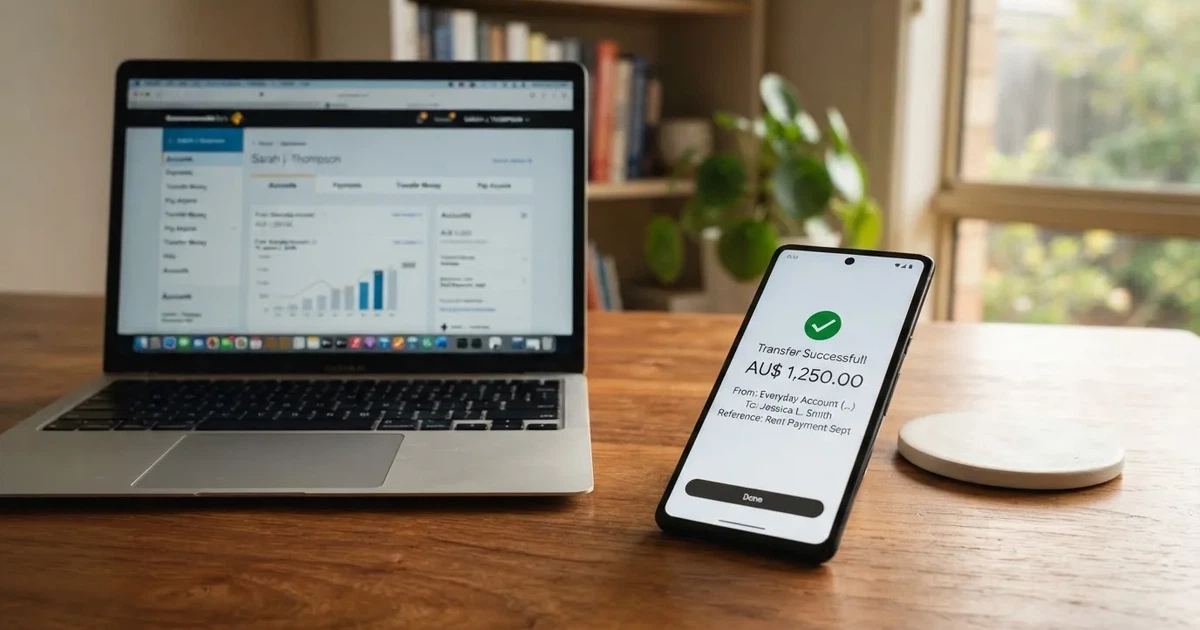
Current as of 28 October 2026 · verified against the ACMA’s published formal warnings and operator notices.
Table of Contents
Landscape
The Australian Communications and Media Authority does not pick sites at random. Each entry below is an operator the ACMA itself has named in a formal warning, with the warning published on the regulator’s website. The relevant comparison here is not who pays out fastest. It is who has been told, on the record, that what they are doing is prohibited in Australia — and what they did with that information.
The table below lists every brand in the order the ACMA’s published actions fall. Several brands sit under the same parent company and have been warned more than once, which is why some names repeat. “Subject support” reflects whether the casino’s own published material identifies PayID as a withdrawal method, or whether independent listings do — a “listings-only” tag means the casino’s own page does not state this, and a blank means the material reviewed does not confirm PayID either way.
| Brand | ACMA action and date | Operator named by the ACMA | Subject support |
|---|---|---|---|
| RocketPlay | Formal warning, March 2026 (Pulsup Ltd); earlier May 2022 (Dama N.V., alongside five other brands) | Pulsup Ltd | — |
| Level Up Casino | Formal warning, May 2022 | Dama N.V. | Listings report PayID availability |
| Woo Casino | Formal warning, March 2025 | Dama N.V. | — |
| Spirit Casino | Formal warning, May 2025 | Dama N.V. | — |
| National Casino | Formal warning, July 2025 | Consolutetish S.R.L. | Listings report PayID availability |
| Bizzo Casino | Formal warning, July 2025; earlier 2022 | Consolutetish S.R.L. (2025); TechSolutions (2022) | — |
| Ignition Casino | Formal warning, July 2025 | Bamboo Media | — |
| Instant Casino | Formal warning, February 2025 | EOD Code SRL | Listings report PayID availability |
| Jackbit | Formal warning, April 2026 | Ryker B.V. | — |
| Casino Intense | Formal warning, April 2025 | Sterplay Holding Ltd | Listings report PayID availability |
| Sky Crown | Formal warning, September 2022 | Hollycorn N.V. | — |
Two things stand out from this list. First, the ACMA has not stopped writing to the same operators — Dama N.V. alone has received warnings in 2022, March 2025 and May 2025, covering six different brands. Second, the parent-company pattern matters more than the brand name. A player who recognises a familiar logo from a previous brand is not necessarily looking at a different operation.
RocketPlay — warned twice, run by two different companies
RocketPlay was named in Dama N.V.’s May 2022 warning, alongside Bambet, Dazard, Level Up, Wild Tornado and Cobra Casinos. The ACMA wrote to Pulsup Ltd about RocketPlay in March 2026 — a separate operator, the same brand name. Two formal warnings, two operators, four years apart. The site’s published payment information reviewed for this page does not confirm PayID as a withdrawal method, but independent listings describe the brand as PayID-friendly. The verdict for an Australian player: the only relevant question is whether they are willing to deposit and withdraw with an operator the ACMA has told, twice, to stop.
Level Up Casino — Dama N.V.’s 2022 set, still on listings
Level Up was named in the same 2022 batch as RocketPlay’s first warning — Dama N.V., six brands, one letter. Independent listings reviewed for this page describe Level Up as PayID-friendly, although the brand’s own published material does not confirm this directly. A player who chooses Level Up on the strength of those listings is choosing a brand whose parent company has been told by the ACMA to stop offering prohibited services to Australians.
Woo Casino — Dama N.V.’s March 2025 letter
Dama N.V. received a further formal warning from the ACMA in March 2025 over Woo Casino, then another one in May 2025 over Spirit Casino. The pattern is informative: a single corporate group with multiple brand shells, and a regulator that returns to the parent rather than the brand. Woo’s reviewed material does not confirm PayID availability one way or the other. The verdict: a brand that did not stop at the first letter, written to again a year later, is not the kind of operation a careful player wants to be holding funds with.
Spirit Casino — the same month, a new warning
Spirit Casino was the subject of Dama N.V.’s May 2025 warning — a separate letter, a separate brand, the same month-group. The reviewed material does not confirm PayID as a withdrawal method on Spirit’s own pages. The picture it paints: Dama N.V. continues to launch and re-launch brands under fresh names, and the ACMA continues to follow them.
National Casino — Consolutetish S.R.L., July 2025
The ACMA’s July 2025 batch included Consolutetish S.R.L. over both National Casino and Bizzo Casino, alongside a separate warning to Bamboo Media over Ignition Casino. National’s reviewed material does not directly confirm PayID, although independent listings describe PayID availability. The relevant point: a parent company receiving a warning covering two brands on the same day is a parent company the regulator considers worth writing to, in detail.
Bizzo Casino — warned in 2022 and again in 2025
Bizzo’s history is the most instructive on this list. The ACMA wrote to TechSolutions (CY) Group Limited and TechSolutions Group N.V. about Bizzo in 2022. It wrote to Consolutetish S.R.L. about the same brand in July 2025. Two operators, three years apart, one brand. A player who arrived at Bizzo in 2025 and saw no warning would have seen a brand new to the ACMA’s published actions, and would not have known there was a 2022 letter behind it. The brand’s own material does not confirm PayID availability. The verdict is straightforward: a brand that has been told twice, by two different operators, is not a brand that has fixed its practices.
Ignition Casino — Bamboo Media, July 2025
Bamboo Media was the subject of the ACMA’s July 2025 warning over Ignition Casino. Ignition’s reviewed material does not confirm PayID one way or the other. The takeaway: the ACMA’s July 2025 round was not a single-incident letter — it was a coordinated action against several parent companies at once.
Instant Casino — EOD Code SRL, February 2025
Instant Casino was named in the ACMA’s February 2025 warning to EOD Code SRL. Independent listings describe PayID availability on the brand, although the casino’s own material reviewed here does not directly confirm this. The brand’s name does the marketing work the regulator’s letter undoes.
Jackbit — Ryker B.V., April 2026
The ACMA wrote to Ryker B.V. in April 2026 about both Jackbit and CasinOK. The reviewed material does not confirm PayID on Jackbit’s own pages. The relevant comparison for an Australian player: this is the most recent ACMA letter on the list, and the brand is still operating under the same banner.
Casino Intense — Sterplay Holding Ltd, April 2025
Sterplay Holding Ltd received a formal warning from the ACMA in April 2025 over Casino Intense. Independent listings describe PayID availability on the brand. A player choosing Casino Intense on the strength of those listings is choosing an operator the ACMA told to stop ten months before this page was written.
Sky Crown — Hollycorn N.V., September 2022
Hollycorn N.V. was the subject of the ACMA’s September 2022 warning covering Sky Crown and Blue Leo. Sky Crown is the longest-standing entry on this list. The brand’s reviewed material does not confirm PayID availability directly. The verdict: a brand whose parent company received one of the earliest ACMA warnings under the strengthened regime is still operating under the same name.
How PayID actually works — and why the casino half still matters
PayID is a routing layer on top of Australia’s New Payments Platform (NPP), which the Reserve Bank of Australia oversees. When someone registers a PayID — a mobile number, an email, an ABN or an Organisation Identifier — it gets linked to a bank account at one of over 100 Australian financial institutions. When another party sends money to that PayID, the receiving bank is matched to it and the funds clear through the NPP’s Osko service. Under Osko, a transfer between participating banks arrives in under a minute, 24 hours a day, seven days a week, regardless of whether it is addressed to a BSB and account number or to a PayID.
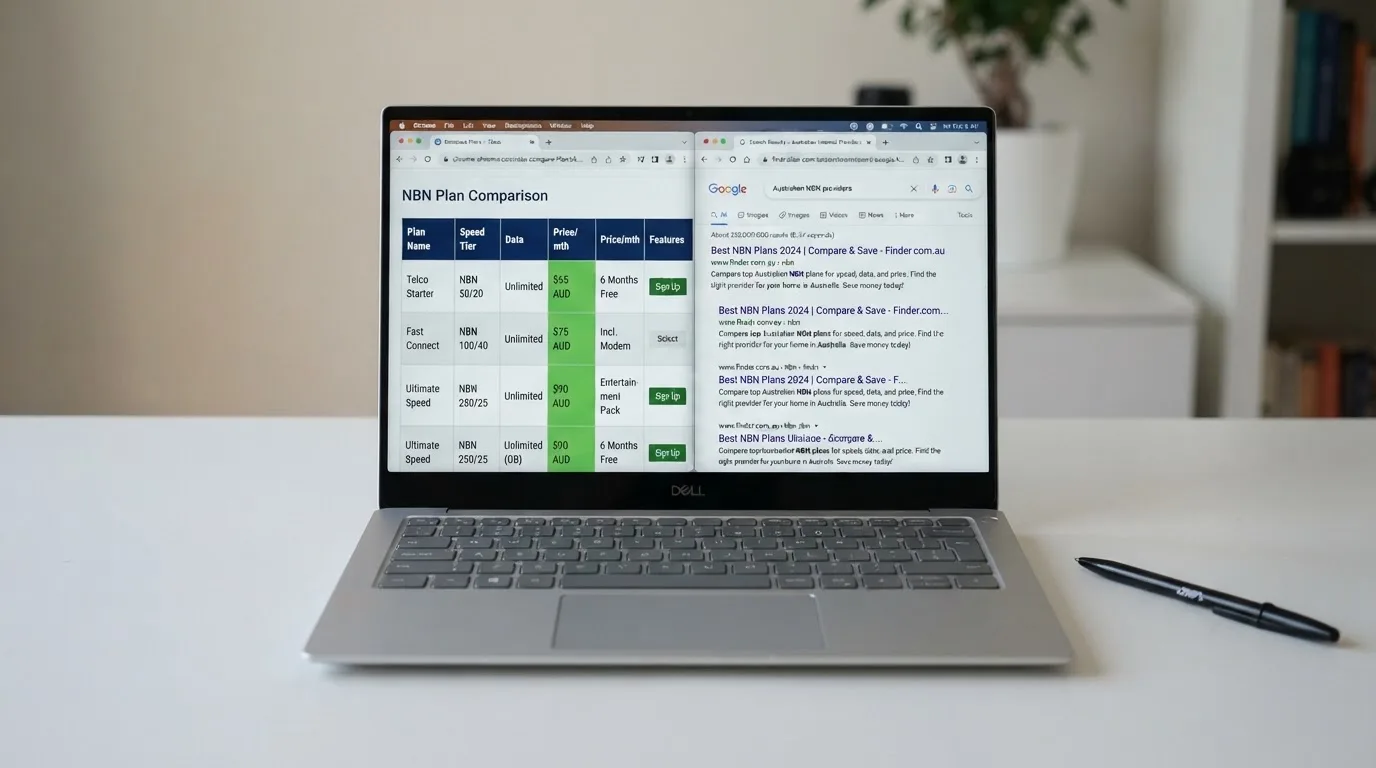
The speed is not in doubt. What is in doubt is what sits between the player’s deposit and the PayID instruction. A PayID withdrawal is not the same thing as an instant PayID withdrawal. The transfer rail is fast; the casino’s internal settlement review is what controls when the rail is invoked in the first place.
The standard sequence is roughly this: the player requests a withdrawal from the casino’s cashier, the request enters the operator’s pending queue, the operator’s payments team runs the request through anti-fraud and identity checks, the operator approves the release, the funds are sent to the PayID, the PayID reaches the player’s bank. The total time depends on how long that internal queue takes. Some operators advertise “instant PayID” as though steps one through four take no time at all, which is rarely the case. The PayID half of the journey — from approval to bank — genuinely does arrive in under a minute. The other half is what varies, and the other half is what no marketing line can compress.
There is also a payment-side protection that catches some eyes. When a payer sends money to a PayID, the payer’s own bank displays the name linked to that PayID before the transfer is confirmed — the check that protects against mistaken payments and scams. The same protection works in reverse for the casino: when the casino sends a withdrawal to a PayID, the casino’s bank shows the recipient’s name to the casino. That is the moment the casino’s payments team typically reconciles the recipient against the verified account-holder name on file. A mismatch is the most common reason a “instant” PayID withdrawal stalls — not the rail, but the name on the PayID not matching the name on the casino account.
The AP+ warning every Australian should read
Australian Payments Plus, which operates PayID, is direct about what happens when the rail is used the wrong way. AP+ warns on its own pages that anyone asked to transfer funds to a PayID on an illegal gambling site is “almost certainly” dealing with a scambling website — its own term for an illegal online gambling platform advertised through social media and messaging apps that tricks people into gambling on a scam site. AP+ tells anyone who thinks they have been scambled to contact their financial institution directly. PayID itself will never contact a customer directly, never ask anyone to send money in order to receive money, and never ask anyone to “upgrade” an account. Any email or text message claiming to be from PayID is, by AP+’s own definition, a scam.
The credit-card ban shapes how PayID can be used
The Interactive Gambling Act 2001, as amended in 2023, bans Australian-licensed online wagering services from accepting credit cards and credit-related products. That ban shapes what the PayID-linked bank transfer can be used for. A PayID is, by definition, linked to a bank account, and the deposit that arrives from that account cannot be funded by credit on a licensed wagering service. The ban does not reach offshore operators directly, which is one of several reasons offshore sites still accept what licensed sites cannot.
Legality — what the Interactive Gambling Act actually says
Australia’s online gambling prohibition runs through the Interactive Gambling Act 2001 (IGA), strengthened by the Interactive Gambling Amendment Act 2017. The IGA makes it an offence to provide online casino games, online pokies or in-play betting to a person in Australia. No state or territory licenses them. What is licensable is wagering on races and sport placed before the event, lotteries and keno — in practice licensed by the Northern Territory Racing and Wagering Commission (NTRWC), which regulates 52 of Australia’s online bookmakers, including Sportsbet, Bet365 and Ladbrokes. The NTRWC has no full-time staff and meets once a month in Darwin. The minimum age for any licensed wagering activity is 18.
The IGA targets the provider, not the individual player. An Australian resident who opens an account with an offshore casino is not personally prosecuted for doing so. But an offshore site provides no Australian consumer protection, no complaints body and no recourse if a withdrawal is refused. The site can also be blocked in Australia with a balance still on it.
The enforcement record is large. According to the ACMA as reported in June 2026, a total of 1,751 illegal gambling and affiliate marketing websites had been blocked since the first blocking request in November 2019, and more than 230 unlicensed gambling services had left the Australian market since enforcement was strengthened in 2017. In the round reported on 26 June 2026, the ACMA asked Australian internet service providers to block 12 more illegal gambling websites: 7Signs, ChromaBet, Donbet, Duospin, Freshbet, Slots Gem, Jacks Club, Lucky Start, Pointsbetz, Spinrise, Vinyl Casino and Wildsino. The cumulative block count is one figure; the rate at which the list grows is another. From the first blocking request in November 2019 to the most recent round reported here, the ACMA has averaged roughly 250 block actions per year, with the rate accelerating in the most recent reporting periods. The rate at which the list grows is, itself, the comparison that matters.
What H2 Gambling Capital says about the size of the illegal market
H2 Gambling Capital’s 2025 report estimates that Australians lose about A$3.9 billion a year to illegal gambling sites, and that the share of gambling going through legal channels fell from 74% in 2021 to 64%. The licensed share dropped ten percentage points in four years; the unlicensed share took everything that left. The licensed channel is not just smaller — it is shrinking relative to the offshore one.
What changes on 1 January 2027
The Interactive Gambling Amendment (Gambling Reform) Bill 2026 passed Parliament on 19 August 2026. Its advertising and inducement measures commence on 1 January 2027 — law with a start date, not yet in force on a page published before that date. The reform tightens the rules around how licensed operators can advertise and what inducements they can offer. It does not, by itself, legalise anything the IGA already prohibits.
What the offshore site cannot give a player
BetStop, the National Self-Exclusion Register, has been live since August 2023. It binds Australian-licensed online and phone wagering services. An offshore casino is not connected to it. A player who has registered with BetStop can still open an account with an offshore operator, deposit, lose and withdraw — the exclusion simply does not reach that far. The National Gambling Helpline, 1800 858 858, is free and operates 24/7, with chat available through Gambling Help Online. Both are Australian services, available whether or not the offshore operator cooperates.
Responsible gambling — what an instant withdrawal is not
An instant PayID withdrawal is, mechanically, a fast transfer. It is not a sign that an operator meets any safety standard beyond how it moves money. The licensed Australian framework — BetStop, the credit-card ban, the NTRWC’s licensing requirements — sits on the licensed side of the boundary. None of it reaches the offshore site offering “instant PayID” to Australian players. The faster the rail, the faster the cycle of deposit-and-withdraw that has no Australian protection behind it.
What the offshore site’s own responsible-gaming page typically does
An offshore casino’s responsible-gaming page is, in most cases, a list of voluntary tools — deposit limits, time-outs, self-exclusion at the site level. These tools work only as long as the player stays on the site. They do not connect to BetStop, do not trigger any Australian body, and can usually be turned off by the player in the casino’s own settings. A player who relies on them is relying on the operator the ACMA has warned to stop offering prohibited services.
What card-level gambling blocks actually do
Several Australian banks offer card-level gambling blocks that work at the merchant-category-code level. Westpac’s gambling block refuses authorisation of transactions registered under the merchant category code “Betting/Casino Gambling” on eligible personal credit and debit cards. ANZ’s gambling block, activated in the ANZ app, blocks gambling transactions made through a digital wallet such as Apple Pay on an eligible card, not just the physical card. Once a customer turns on ANZ’s gambling block, removing it again requires a 48-hour waiting period, and the bank warns that not all gambling transactions will be blocked and that some non-gambling transactions might be blocked in error. These blocks are the closest thing to an Australian-side control that reaches an offshore merchant — they refuse the authorisation at the bank before it ever reaches the casino.
Payments — what the offshore site accepts and what it does not
PayID is the headline payment method on most of the sites reviewed here, but it is not the only one. A player who cannot move money to a PayID — because their bank refuses the merchant code, or because the casino’s PayID does not match the name on the account — typically has two or three other options.
| Method | Status for licensed wagering | Availability |
|---|---|---|
| Debit card | Allowed | Widely available |
| Bank transfer | Allowed | Supported by most banks |
| PayID/Osko | Allowed | Near real-time |
| BPAY | Allowed | Standard route |
Credit cards and the offshore gap
The IGA’s credit-card ban applies to Australian-licensed online wagering services. An offshore operator is not licensed under the IGA and is not bound by its payment rules. Most offshore casinos continue to accept Visa, Mastercard and, on some sites, American Express. American Express runs a different network — a three-party scheme in which Amex both issues cards and processes transactions, unlike Visa or Mastercard’s four-party model — and sits outside the Reserve Bank of Australia’s July 2025 proposal to remove surcharges on eftpos, Mastercard and Visa transactions. The proposal explicitly leaves American Express outside the scope of the surcharge ban. For an Australian player using a credit card at an offshore site, the surcharge question is not the IGA question; the IGA question is that the licensed side does not accept this payment at all.
Digital wallets and what the banks do with them
By the end of 2025, Apple Pay, Google Pay and Samsung Pay transactions collectively accounted for around 45% of all card payments in Australia by number. Apple Pay itself charges no consumer fees — any surcharge is the merchant’s own card-processing fee, not Apple’s. Transaction limits and PIN requirements for Apple Pay purchases are set by the card issuer or the merchant, not by Apple. The relevant control is again at the card-issuer level: ANZ’s gambling block, once activated, blocks gambling transactions made through a digital wallet such as Apple Pay on an eligible card. The wallet is a tokenised representation of the underlying card, and the underlying card’s block reaches the wallet transaction.
PayID and Osko — the underlying speed
Osko is the underlying real-time transfer service that PayID rides on. A bank transfer between participating Australian banks arrives in under a minute, 24/7 including weekends, whether it is addressed to a BSB and account number or to a PayID. The PayID is the address; Osko is the speed. The combination is what makes “instant PayID” a coherent promise — the PayID resolves to the bank, the bank resolves to the account, and the Osko rail settles in close to real time, 24 hours a day, through the Reserve Bank’s Fast Settlement Service.
What to look at instead
A player who wants to use PayID for wagering has licensed options. The same PayID rail — same speed, same name-check, same 24/7 settlement — works with Australian-licensed bookmakers licensed by the NTRWC. These operators are bound by the IGA, by the credit-card ban, by BetStop, and by the Australian consumer-protection framework. PayID is one of the legal deposit routes for licensed wagering services, alongside debit card, bank transfer and BPAY. The same rail does not become a different rail when it sits on a licensed site.
The ACMA’s published formal warnings, the BetStop register, and the National Gambling Helpline are all publicly available. The offshore site’s marketing page is the place where the speed is promised; the ACMA’s website is the place where the warning is recorded.
Frequently Asked Questions
Is it legal for an online casino to process a PayID withdrawal for a player in Australia?
No. The Interactive Gambling Act 2001, as amended through 2023, prohibits the provision of online casino games and online pokies to a person in Australia. No state or territory licenses them. A PayID withdrawal is a transfer; the question is whether the operator offering the casino product is licensed to offer it to Australians, and the answer for every brand on this list is no.
What steps does a casino usually complete before releasing an instant PayID withdrawal?
The player requests the withdrawal in the cashier, the request enters the operator’s pending queue, the operator’s payments team runs anti-fraud and identity checks, the operator approves the release, and the funds are sent to the PayID. The PayID half of the journey genuinely arrives in under a minute. The other half — steps one through four — is what varies between operators and what controls whether “instant” is honest.
Does a PayID withdrawal clear any faster outside normal banking hours?
No — it clears at the same speed during banking hours. PayID runs on Osko, which is built on Australia’s New Payments Platform and settles in close to real time, 24 hours a day, including weekends. The casino’s internal settlement review is the only part of the journey that varies, and that does not pause for weekends or public holidays either.
Is there a maximum amount that can be withdrawn instantly through PayID at once?
The PayID rail itself does not impose a single maximum. Most Australian financial institutions apply their own transfer limits, and the casino typically applies its own per-transaction or per-day cap. A player who plans a large withdrawal should check both — the bank’s daily PayID limit and the casino’s stated withdrawal ceiling — before requesting the transfer.
What identity checks apply before a first PayID withdrawal is approved?
Anti-money-laundering and counter-terrorism-financing rules apply to every licensed Australian payment processor, and offshore casinos typically run their own version of the same checks: name on PayID matched against the verified account-holder name on file, source-of-funds documentation in some cases, and address verification on the first withdrawal. A mismatch on the name is the most common reason an instant withdrawal stalls at the queue stage.
Can an instant PayID withdrawal be recalled once a casino has sent it?
Once the funds have been sent to the PayID and Osko has settled the transfer, the casino cannot pull the money back from the receiving bank. What the casino can still do — within its own settlement review — is delay approving the release in the first place, which is the practical version of “recall” for the player. The PayID half is not recallable; the queue half is.