
Online casinos taking Google Pay from Australian players in 2026
A search for a casino that takes Google Pay in Australia turns up dozens of offshore brands, every one of them telling the visitor the deposit will go through in seconds. The marketing has one answer. The Interactive Gambling Act 2001 has another. None of the brands covered on this page may lawfully serve a person in Australia, the ACMA has issued a formal warning over each one, and the deposit that lands in a wallet is the easy half of the story — the withdrawal is the half that decides whether a player ever sees the money again. What follows is what research found across eleven brands the regulator has acted against, and what a Google Pay transaction actually does when it hits one of them.
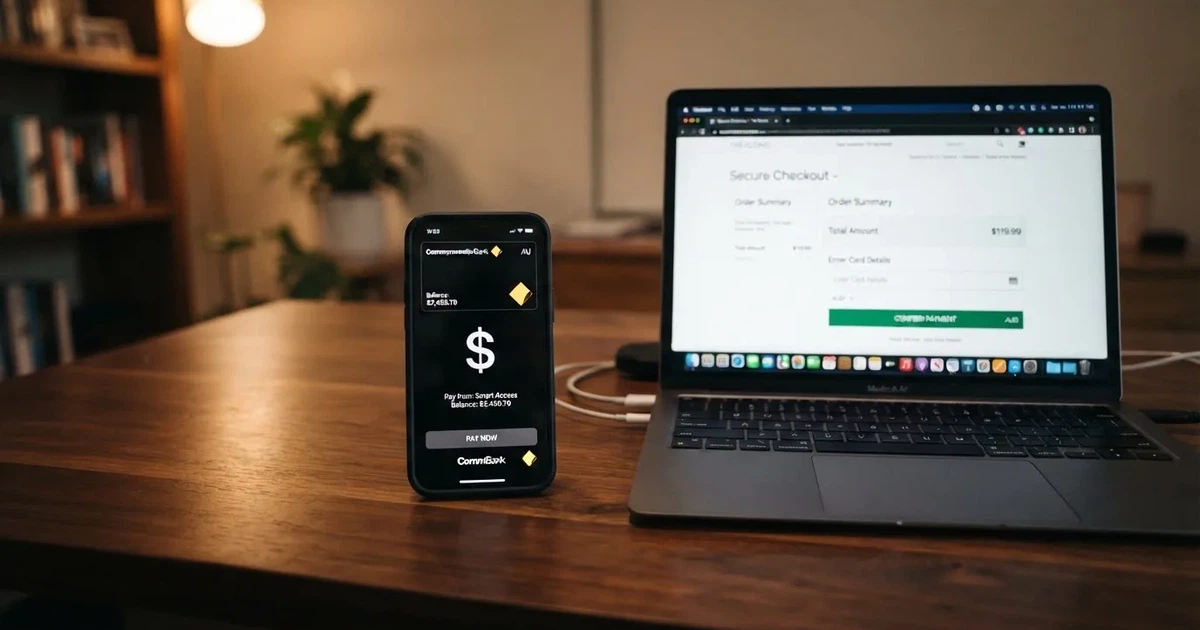
Current as of 28 October 2026. Operator status verified against the Australian Communications and Media Authority’s formal warning register and the June 2026 blocking-round reporting.
Table of Contents
- Why the question has a different answer than the search results suggest
- Eleven operators the ACMA has warned, and what each warning says
- How the legal frame sits over every brand above
- Player protection tools that apply — and the ones that do not
- The payment half of the picture: how Google Pay actually behaves at the cashier
- Credit cards, wallets and the rule that governs them under Australian law
- The blocking arithmetic — what 1,751 sites in six and a half years actually means
- What a reader comparing these eleven is actually choosing between
- What H2 Gambling Capital’s 2026 figure adds to the picture
- Tax and what happens to winnings in Australia
- What the rest of this page is
- Frequently asked questions on Google Pay casinos for Australian players
Why the question has a different answer than the search results suggest
A reader looking for a Google Pay-accepting casino site finds what looks like a long shortlist. The shortlist is real — operators do list Google Pay among their deposit methods — but the legal position of every entry on it is the same. Under the Interactive Gambling Act 2001, strengthened by the Interactive Gambling Amendment Act 2017, providing an online casino game, online pokies or in-play betting to a person physically in Australia is an offence. The prohibition is on the provider. The individual player is not prosecuted, which is the detail offshore sites lean on when they invite Australians to sign up.
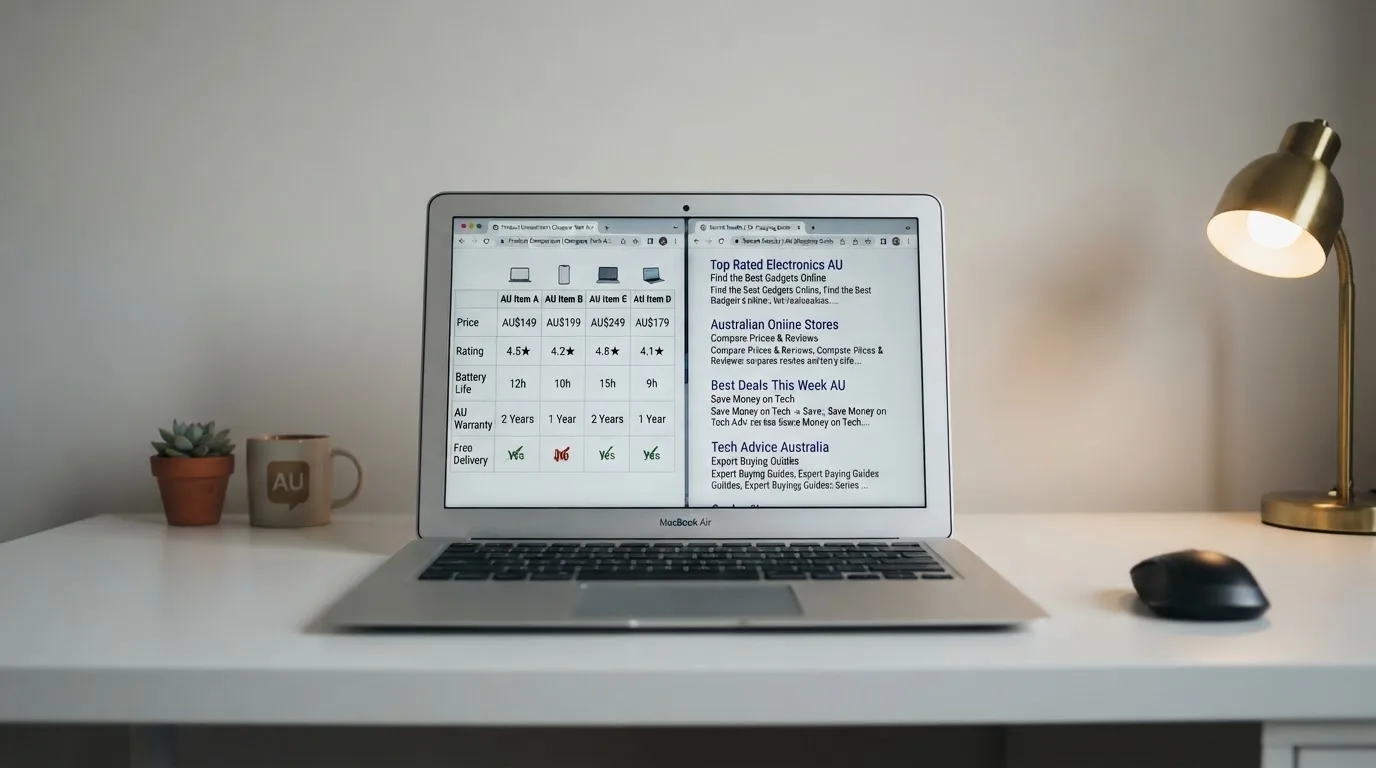
What the Interactive Gambling Act 2001 does not allow in Australia, no state or territory licence permits elsewhere. Wagering on sport and racing before the event is licensable, as are lotteries and keno, and that is what the Northern Territory Racing and Wagering Commission regulates — 52 of Australia’s online bookmakers, including Sportsbet, Bet365 and Ladbrokes, sit under its licence for tax reasons, and the commission itself has no full-time employees and gathers once a month in Darwin. None of those bookmakers is an online casino. None of them is the kind of site that markets Google Pay deposits against a pokies lobby.
So the comparison the reader actually wants — “which Google Pay casino is the better choice” — runs into a constraint that has nothing to do with deposit speed. Every brand on the list below sits outside the regime that protects an Australian player when a payout goes missing. The reader can still compare them on game selection, on the size of the minimum deposit, on whether the cashier page also accepts PayID. What the reader cannot compare is safety in the ordinary sense, because no operator reviewed here is a safe choice in the sense the Australian regime defines.
Eleven operators the ACMA has warned, and what each warning says
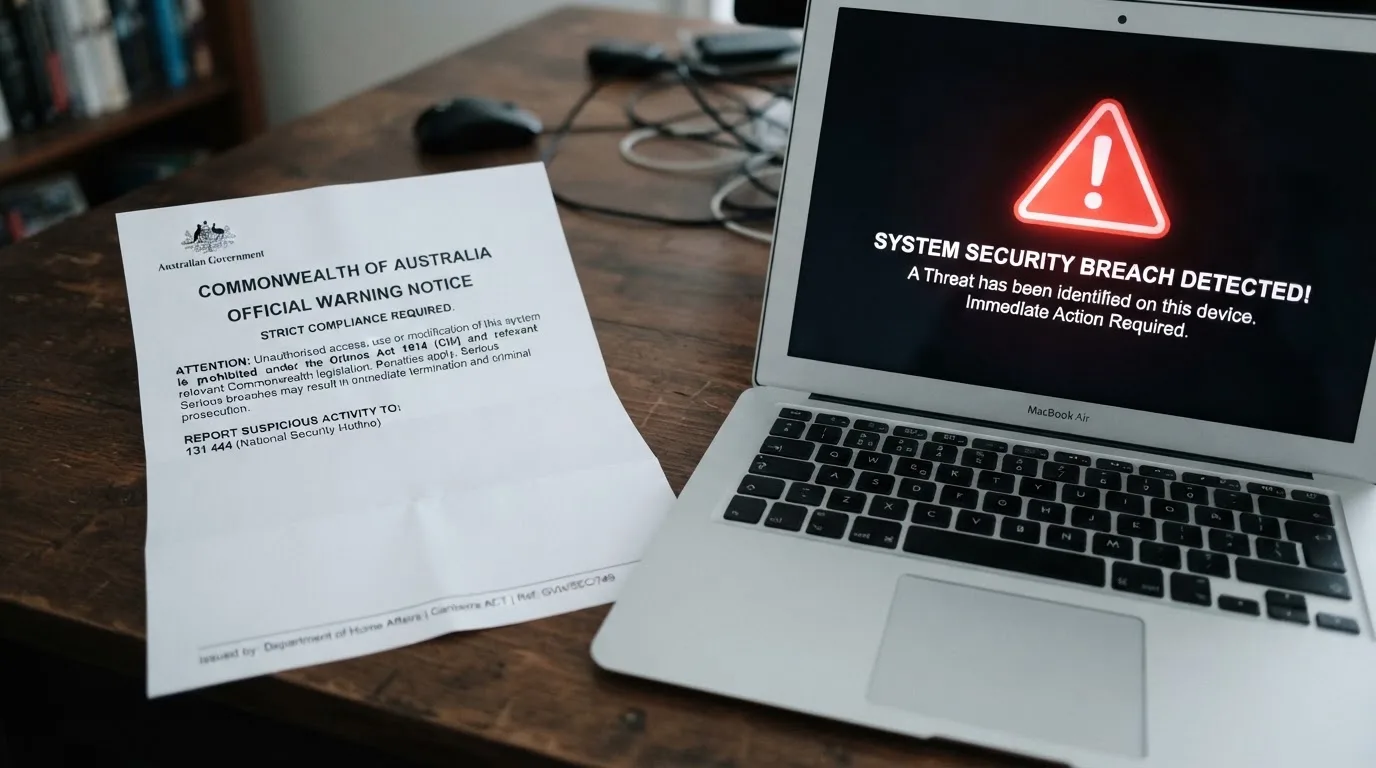
The brands below are not ranked by quality. They appear here because the ACMA issued a formal warning over each one for offering prohibited interactive gambling services to Australians. The order reflects the chronology of ACMA action where it matters and groups repeat operators together where the regulator has acted against the same parent more than once. The table covers the ACMA line; the brand-by-brand block underneath carries the rest.
ACMA action across the eleven brands reviewed
| Brand | ACMA action and date | Operator named by the ACMA | Subject support |
|---|---|---|---|
| RocketPlay | Formal warning, March 2026; earlier Dama N.V., May 2022 | Pulsup Ltd | — |
| Level Up Casino | Formal warning, May 2022 | Dama N.V. | — |
| Woo Casino | Formal warning, March 2025 | Dama N.V. | — |
| Spirit Casino | Formal warning, May 2025 | Dama N.V. | — |
| National Casino | Formal warning, July 2025 | Consolutetish S.R.L. | — |
| Bizzo Casino | Formal warning, July 2025; earlier TechSolutions, 2022 | Consolutetish S.R.L. | — |
| Ignition Casino | Formal warning, July 2025 | Bamboo Media | — |
| Instant Casino | Formal warning, February 2025 | EOD Code SRL | — |
| Jackbit | Formal warning, April 2026 | Ryker B.V. | — |
| Casino Intense | Formal warning, April 2025 | Sterplay Holding Ltd | — |
| Sky Crown | Formal warning, September 2022 | Hollycorn N.V. | — |
The “Subject support” column is blank on purpose. The research tracked whether each brand names Google Pay in any listing-source it found, and the answer for every brand on this page was no-data — not denied, just absent from the listings it could verify. Listing Google Pay in a payment-methods page is one thing; confirming that a Google Pay deposit clears at the cashier the way the marketing describes is another, and the second figure was not something the listings the research consulted gave the audit. So the column stays empty rather than carrying a guess. What the table does carry is the regulator’s view: every brand has been told, in writing, that it is offering prohibited services to Australians, and the warning carries a date a reader can verify on the ACMA’s own site.
RocketPlay — the brand the ACMA acted against twice
Two operators have held RocketPlay’s licence in the four years the ACMA has been writing to them. In May 2022 the regulator wrote to Dama N.V. over RocketPlay alongside five sister brands, and in March 2026 it wrote again, this time to Pulsup Ltd, naming Rocketplay.com.au specifically. A brand that has prompted two formal warnings from the same regulator is not one a reader has many reasons to trust with a Google Pay deposit. The deposit will arrive, because that is how card processing works regardless of where the merchant sits; the question is what happens to a withdrawal request, and the answer is the one an Australian player has no domestic complaint body to chase.
Level Up Casino — Dama N.V., one operator across five warnings
Level Up was one of six Dama N.V. brands the ACMA named in its May 2022 warning — Bambet, Dazard, Level Up, Rocketplay, Wild Tornado and Cobra Casinos in a single letter. The 2022 letter was the first of four the regulator has sent Dama N.V. since. The operator is the only one on this page whose name appears that many times in the ACMA’s correspondence register, and it has now prompted warnings over Woo Casino in March 2025 and Spirit Casino in May 2025 as well. None of those sister brands is being recommended here either; the point is that Level Up sits inside a group the regulator has acted against more often than any other operator on this page.
Woo Casino — the second Dama N.V. warning
In March 2025 the ACMA formally warned Dama N.V. over Woo Casino, the second letter the operator had received in three years. Two warnings, three years apart, do not change the underlying prohibition: Woo Casino is still offering prohibited services to Australians under the IGA, and the second letter did not turn that fact into a licensed operation. The deposit will still go through Google Pay at the cashier; the legal position is unchanged.
Spirit Casino — the third Dama N.V. warning
In May 2025 the ACMA wrote again, this time over Spirit Casino. Three letters to one operator in three years is the kind of pattern the ACMA’s formal warning process is designed to flag, and the regulator’s next step when warnings do not move an operator is to ask Australian ISPs to block the site — the same step the ACMA took against 12 brands in a single June 2026 round, including 7Signs, ChromaBet, Donbet, Duospin, Freshbet, Slots Gem, Jacks Club, Lucky Start, Pointsbetz.com, Spinrise, Vinyl Casino and Wildsino. Spirit Casino is not on that blocking list yet, but the warning is the precursor to one.
National Casino — Consolutetish S.R.L., July 2025
The ACMA’s July 2025 letter to Consolutetish S.R.L. named National Casino and Bizzo Casino in the same correspondence. National Casino was the new name on the warning list; Bizzo Casino was a return — the operator had already prompted a formal warning in 2022 over its earlier corporate owner. Two brand entries from the same corporate letter, and a regulator that already knew the parent from the 2022 round. National Casino’s situation is the cleanest case on this page for one line: the ACMA wrote to this operator in 2025 about exactly the kind of activity it is still running.
Bizzo Casino — two warnings, two operators, one brand
Bizzo Casino was named in the 2022 warning to TechSolutions (CY) Group Limited and TechSolutions Group N.V., then again in the July 2025 letter to Consolutetish S.R.L. The brand has survived the change of corporate parent. The regulator’s view of what it offers Australians has not. Two formal warnings, four years apart, two different operators, and a brand the ACMA has now told twice that the activity is prohibited.
Ignition Casino — Bamboo Media, July 2025
Bamboo Media’s name entered the ACMA’s warning register in July 2025 over Ignition Casino, and the letter is the regulator’s only published action against this operator. One warning, one brand. The point that applies to every entry still applies: the IGA’s prohibition is on the provision of online casino games to Australians, and one warning does not change that.
Instant Casino — EOD Code SRL, February 2025
In February 2025 the ACMA formally warned EOD Code SRL over Instant Casino. The brand carries the same load every other entry does: an offshore casino offering prohibited services to Australians, with a regulator that has put its view in writing. Instant Casino’s listings show payment-methods pages that name several Australian-facing options, but the regulatory position is the one the ACMA wrote to EOD Code SRL about, and the ACMA letter came first.
Jackbit — Ryker B.V., April 2026
In April 2026 the ACMA wrote to Ryker B.V. over Jackbit and CasinOK in the same letter. Jackbit is the newer of the two brand entries here, and the regulator’s letter is the most recent formal action against any brand on this page. Jackbit is also the brand the June 2026 blocking round did not name — the warning came first, and a blocking request is the step the ACMA takes next when warnings do not move an operator.
Casino Intense — Sterplay Holding Ltd, April 2025
In April 2025 the ACMA formally warned Sterplay Holding Ltd over Casino Intense. The brand is among the less prominent names on this page, but the warning carries the same force as any other: a formal regulator telling an operator that what it offers to Australians is prohibited under the IGA, in writing, with a date.
Sky Crown — Hollycorn N.V., September 2022
The ACMA issued a formal warning to Hollycorn N.V. over Sky Crown and Blue Leo in September 2022 — the earliest letter on this page and the one most likely to have aged into a corporate reshuffle since. The brand is named here because the warning was issued, and the warning’s substance — that Sky Crown is offering prohibited interactive gambling services to Australians — is unchanged.
How the legal frame sits over every brand above
The single fact that governs every line above is the IGA itself. Online casino games and online pokies are prohibited interactive gambling services in Australia, and have been since the 2017 amendments. No state or territory issues a licence for them. The minimum age for any form of licensed gambling in Australia is 18.
Enforcement is the ACMA’s job. The regulator investigates complaints, issues formal warnings, and directs Australian internet service providers to block offending sites. The blocking instrument is real: by June 2026, 1,751 illegal gambling and affiliate marketing websites had been blocked since the first blocking request in November 2019, and more than 230 unlicensed gambling services had left the Australian market since enforcement was strengthened in 2017. A site that is not yet blocked is one the regulator has not yet acted against, not one that has been cleared.
The individual player is not the regulator’s target. The IGA’s offence is on the provider. But the absence of prosecution does not produce consumer protection. An offshore casino gives no Australian complaint body, no recourse if a withdrawal is refused, and the operator can be blocked while a balance is still on the account. The reader who treats the lack of prosecution as a green light is reading past the part that hurts.
The Interactive Gambling Amendment (Gambling Reform) Bill 2026 passed Parliament on 19 August 2026. Its advertising and inducement measures commence 1 January 2027. The bill is law with a start date; it is not in force on a page dated to 2026.
Player protection tools that apply — and the ones that do not
The Australian regime offers two protections that are worth a reader’s time, and a third that does not apply to any brand on this page.
BetStop, the National Self-Exclusion Register, has been live since August 2023. It binds Australian-licensed online and phone wagering services, which is to say licensed bookmakers on sport and racing, lotteries and keno. An offshore casino is not connected to it. A player who registers with BetStop and then opens an account with a brand on this page is not excluded from that account by the registration.
The National Gambling Helpline is 1800 858 858, free, 24/7, with chat at Gambling Help Online. The helpline is the right first call for someone who is worried about their own play or someone else’s, and it is the place that routes a caller to the state-specific counselling services that exist in every jurisdiction.
A gambling block at the bank is the third tool, and it works differently from the other two. NAB and ANZ let customers apply a gambling block to their credit and debit cards from inside the banking app, without calling or visiting the bank. Westpac’s block works at card level: it refuses authorisation of transactions registered under the merchant category code for betting and casino gambling on eligible personal cards. ANZ’s block also stops a Gambling Transaction made through a digital wallet on the same card — meaning a Google Pay transaction routed through an ANZ card will be refused. Once turned on, ANZ requires a 48-hour waiting period to remove the block, and the bank warns that not every gambling transaction will be blocked and some non-gambling transactions might be blocked in error.
The bank block is the protection that lands closest to the brands on this page, because the brand underneath the deposit is still a card transaction. The wallet is a front end, the merchant is still a card-accepting casino, and the bank sees the merchant category code. A reader who decides to use a bank block stops the transaction at the authorisation step, before the cashier has accepted it.
The payment half of the picture: how Google Pay actually behaves at the cashier
Google Pay’s mechanics are the easy half of the story, and they are the half every Google Pay casino page leads with. A card added to Google Wallet is sent to the card-issuing bank for verification; the bank generates a unique Device Account Number — a token — for that specific device rather than storing the real card number on the phone. At the cashier, the phone taps or hands off the token; the merchant receives a card transaction; the deposit clears. Google Pay requires an NFC-enabled Android phone running Android 5.0 (Lollipop) or later, and Google launched the service in Australia in 2016. By the end of 2025, Apple Pay, Google Pay and Samsung Pay collectively accounted for around 45% of all card payments in Australia by number.
The hard half is the part the marketing page does not lead with. A Google Pay withdrawal request still needs the casino’s own manual checks completed before the settlement lands back in an Australian account. The token makes the deposit cheap for the merchant; it does not shorten the operator’s compliance queue on the way out. And on the way out, a Google Pay refund is sent to the same device token, which means the refund works only if the original card is still on the wallet and the wallet is still on the same Android device. A reader who has switched phones since the deposit will find the refund sitting on the old device, and the recovery is the support line of the operator the ACMA has warned.
The minimum deposit at the brands on this page is the figure most often cited as a marketing point. The listings the research consulted gave a $10 minimum as the typical floor for Google Pay deposits at offshore pokies-style sites — a figure that recurs often enough to be treated as the market norm, and one a reader should expect to see on the cashier page. The $10 figure is for the deposit; the minimum withdrawal is usually higher, and the gap between the two is what a reader ought to look at before funding the account.
Paying with PayID and the New Payments Platform as the alternative a reader is more likely to use
PayID sits on the New Payments Platform, which became accessible to the public on 13 February 2018 and is owned by New Payments Platform Australia Ltd, whose 13 shareholders include the Reserve Bank of Australia and the country’s major banks. More than 25 million PayID identifiers had been registered by April 2025. With Osko, a transfer between participating Australian banks arrives in under a minute, 24/7, addressed to either a BSB and account number or to a PayID. The platform’s monthly outages are capped at two minutes.
PayID is relevant to this page for one specific reason. Paying to a PayID shows the name of the account holder before the transfer is sent, and Australian Payments Plus warns that being asked to transfer money to a PayID on an illegal gambling site almost certainly means a scam site. The casinos on this page do not accept PayID. That absence is itself the signal. An Australian-facing deposit route that fails the name-check before the money moves is the route the regulator would have an easier time tracing — which is why the operators that take Australians prefer card rails and digital wallets.
Credit cards, wallets and the rule that governs them under Australian law
Australian-licensed online wagering services cannot accept payment by credit card or other credit-related products, a restriction that came in with the 2023 amendments to the Interactive Gambling Act 2001. Credit cards, credit-related products and digital currency were also banned as payment for licensed online wagering from 11 June 2024, with penalties up to $247,500 for operators who breach the rule. Legal deposit routes for licensed wagering are debit card, bank transfer, PayID/Osko and BPAY.
The rule applies to Australian-licensed operators. An offshore casino does not run on Australian rules. The cashier page of a brand on this page will happily take a credit card; it does so because the merchant sits outside the regime. The reader who sees a credit card deposit accepted at an offshore site is not looking at a sign of legitimacy — they are looking at the gap between the Australian rule and the operator that chose not to follow it.
The blocking arithmetic — what 1,751 sites in six and a half years actually means
The research gave two numbers with a date: 1,751 blocked sites in total, since the first blocking request in November 2019. June 2026 is the most recent month the running total covers. That works out to a rate of roughly 270 blocks per year over the period — somewhere between one site blocked every working day and one every calendar day, on average, for six and a half years.
The reader-facing shape of that number is the more useful one. A blocking rate of that scale means the operators an Australian reader sees named today are a moving target: the names change, the categories do not. Of the 12 sites in the June 2026 round alone — 7Signs, ChromaBet, Donbet, Duospin, Freshbet, Slots Gem, Jacks Club, Lucky Start, Pointsbetz.com, Spinrise, Vinyl Casino and Wildsino — none overlaps with the eleven on this page. The blocking rate is what the ACMA does when warnings do not move an operator. The 1,751 figure is what the warnings did not achieve on their own.
The Reserve Bank’s mobile-payments data sits on the other side of the same picture. With Apple Pay, Google Pay and Samsung Pay accounting for around 45% of card payments in Australia by number at the end of 2025, the wallet is now the default way Australians move money at a point of sale. The casino cashier page that lists Google Pay is reading the same data the regulator is reading — it just reads it differently. The operator sees a deposit rail that converts at the cashier; the regulator sees a transaction surface that needs a merchant category code, a card-issuing bank, and the option to refuse the authorisation at the source.
What a reader comparing these eleven is actually choosing between
The comparison the search result implies — Google Pay deposit speed, minimum deposit size, game library — is real, and it is the comparison the marketing pages invite. The comparison that matters is whether the brand the reader ends up at has ever been told by the ACMA, in writing, that what it is offering Australians is prohibited under the IGA. On that comparison, every brand on this page returns the same answer.
The difference between the brands is the corporate history underneath the warning. RocketPlay sits at one end with two warnings from two operators across four years. Level Up sits inside Dama N.V.’s four-letter history with the regulator. National Casino and Bizzo Casino share a 2025 letter to Consolutetish S.R.L. and a 2022 letter to TechSolutions. Sky Crown has the earliest warning on the page. Jackbit has the most recent. None of these differences produces a brand that may lawfully serve an Australian. The reader who chooses one over the other is choosing a brand the regulator has been less patient with, not a brand the regulator has accepted.
The honest reading of this page is the one the regulator has been making for six and a half years. The Interactive Gambling Act 2001 prohibits what these brands offer to Australians. The ACMA has written to each of them. The bank block stops the deposit before it leaves the wallet. The national self-exclusion register does not bind offshore casinos, so the only Australian protection that reaches the cashier is the one the bank applies at the merchant category code. Everything else — the minimum deposit, the Google Pay token, the cashier page that promises a deposit in seconds — is what the marketing leads with, and it is what the regulator’s letter answers.
What H2 Gambling Capital’s 2026 figure adds to the picture
H2 Gambling Capital’s 2025 report estimates that Australians lose about A$3.9 billion a year to illegal gambling sites, and that the share of gambling going through legal channels fell from 74% in 2021 to 64%. The first figure is the size of the offshore market. The second is the trend underneath it: legal channels are losing share, not illegal ones. An Australian reader comparing Google Pay casinos is one of the people inside that A$3.9 billion figure, and the share falling toward illegal channels is the share that includes them.
The A$3.9 billion is an estimate. It is also the only estimate of the size of the market this page has to work with, and the source it comes from is the same H2 Gambling Capital the regulator cites in its public communications. The reader who treats the estimate as the closest the public record comes to a number for what offshore operators take out of Australia in a year is reading it the way it was written.
Tax and what happens to winnings in Australia
Gambling winnings of a recreational player are not assessable income under section 6-5 of the ITAA 1997, and losses are not deductible. The exception is a person who carries on a business of gambling, in which case the ATO treats the activity as income. A punter playing at any of the brands on this page is a recreational player by default, which means the winnings are tax-free and the losses are not refundable. The ATO is the right body for the specific case; the rule above is the general one.
What the rest of this page is
The reader has, by this point, the legal frame, the brand set, the payment mechanics, and the regulator’s view. The FAQ below turns the most-asked questions from the search into answers that hold to the same record — what the law says, what the ACMA has done, what the wallet does at the cashier, and what a reader does when a Google Pay deposit does not arrive. Nothing in those answers invents a path to safety that the regulator has not opened. The reader is owed that honesty before they are owed a list.
Frequently asked questions on Google Pay casinos for Australian players
Is it legal for an online casino to accept Google Pay from a player in Australia?
No. Under the Interactive Gambling Act 2001, no online casino may lawfully provide casino games, online pokies or in-play betting to a person in Australia, and the prohibition covers the activity, not the payment method. The deposit method does not change the legal status of the service being paid for. The individual player is not prosecuted, but the provider is the IGA’s target, and the ACMA has written to every operator named on this page.
What is the smallest deposit a Google Pay casino site usually asks for?
The listings the research consulted gave a $10 minimum as the typical floor for Google Pay deposits at offshore pokies-style sites, and that figure recurs often enough to be treated as the market norm. The minimum is for the deposit; the minimum withdrawal is usually higher, and the gap is what a reader should look at before funding the account.
Does a Google Pay withdrawal clear faster than a card withdrawal at these sites?
Not because of the wallet. The token a Google Pay transaction produces makes the deposit cheap for the merchant; it does not shorten the operator’s compliance queue on the way out. The withdrawal still needs the casino’s own manual checks before the settlement lands back in an Australian account, and the refund works only if the original card is still on the wallet and the wallet is still on the same Android device.
Can Google Pay be used at every offshore pokies-style site, or only some of them?
Only at the sites that list it as a deposit method. The wallet is a card front end, and whether the cashier accepts it depends on the operator’s payment processor, not on the wallet itself. The eleven brands reviewed here are the ones the ACMA has acted against; none of them is a safe choice in the Australian regulatory sense, regardless of whether the cashier page lists Google Pay.
Does depositing with Google Pay add an extra fee at these casino sites?
Apple does not charge consumers for using Apple Pay, and the same logic applies to Google Pay: any surcharge comes from the merchant’s own card-processing fees, not from the wallet. A reader who sees a fee on a Google Pay deposit is looking at the operator’s fee, not the wallet’s. The fee the merchant charges, where one exists, sits on top of the deposit.
What should a player do if a Google Pay deposit does not appear in a casino account?
Wait for the merchant’s authorisation to clear, check that the bank has not refused the transaction at the merchant category code — the gambling block NAB, ANZ and Westpac offer will refuse a card-trying-to-pay-a-casino at this step — and only then contact the operator. The Australian bank block stops the transaction before the cashier accepts it, which is the protection that applies; the ACMA’s complaint process is for the IGA breach, not for an individual missing deposit, and there is no Australian consumer protection body with jurisdiction over an offshore casino.