
PayID Pokies Australia No Deposit Bonus in 2026: How the Claims Sit Against Australian Law
28 October 2026 · ACMA formal-warning register and Australian Payments Plus PayID documentation.
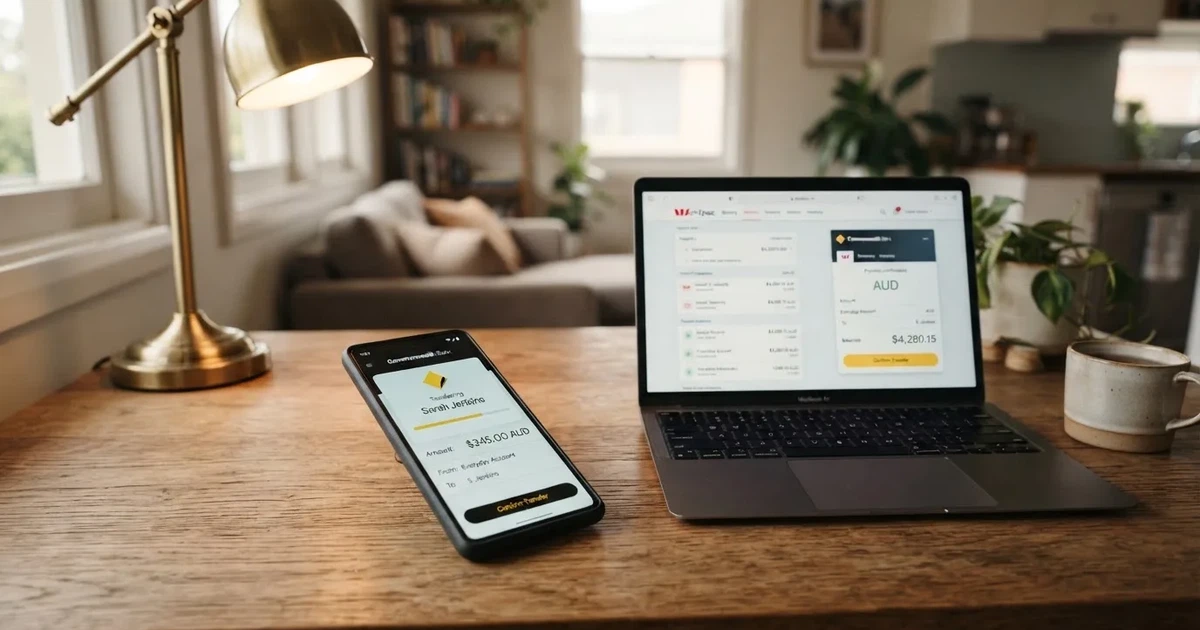
Australians searching for a PayID pokies no-deposit bonus land on a category of offer that the law has already drawn a line through. No state or territory licences an online casino, no online pokies product carries an Australian licence, and the Australian Communications and Media Authority has spent the last several years adding names to a list of operators it considers to be in breach. What looks like a payment-method question is, before anything else, a legality question: PayID itself is a perfectly normal Australian bank transfer rail, but the destination the bonus term asks a player to send it to is the part that puts the transaction outside the local framework.
This guide walks through the eleven brands the ACMA has warned by name, lays out what PayID is and is not, and explains why the “no deposit” half of the offer and the “PayID” half of the offer do not, together, make the offer any more lawful than a credit-card top-up at the same site. The reading is for an Australian deciding what to do with the offers landing in their inbox, not for a player outside Australia.
Table of Contents
- What a PayID Pokies No-Deposit Bonus Offer Actually Is
- The Landscape: What Is in Front of an Australian Reader
- PayID, Osko and the New Payments Platform
- What the ACMA Has Actually Done
- The Blocking Rate
- Formal Warnings Are Different From Blocking
- Why No State or Territory Licences This Product
- What the Player Loses by Going Offshore
- What Self-Exclusion and Help Actually Look Like
- The Payment Side: What PayID Does and Does Not Do
- Apple Pay, Google Pay and the Card Networks
- Tax Treatment for an Australian Player
- The 2026 Reform
- Where the Reader’s Decision Sits
- What an Australian Should Check Before Anything Else
- What the Page Does Not Promise
- Where to Get Help
- Operator Reviews
- Frequently Asked Questions
What a PayID Pokies No-Deposit Bonus Offer Actually Is
A no-deposit bonus is a marketing construct: an online casino credits a small amount of bonus funds, or a handful of free spins, to a new account without the player having to deposit first. The marketing frames it as a free trial. The terms frame it as a heavily conditional credit that the player must clear before it converts to anything withdrawable.

Pair it with PayID, and the offer adds a second rail to the same construct. The site claims to accept PayID for withdrawals, sometimes for deposits as well, and the marketing leans on PayID’s near-instant settlement as the feature. The pairing is unusual only in that PayID is a domestic Australian rail being offered by operators that are not licensed domestically. The bonus structure — bonus credited on signup, wagering requirement, max cashout cap, game weighting — sits on top of whatever the operator chooses to put underneath.
None of that changes the legal position. The Interactive Gambling Act 2001 prohibits the supply of online casino games and online pokies to a person in Australia, and the ACMA’s formal-warning list is the public record of the regulator pursuing operators who cross that line.
| Payment Method | Licensed Wagering Status | Offshore Casino Status |
|---|---|---|
| Debit Card | Allowed | Often Blocked |
| Bank Transfer | Allowed | High Risk |
| PayID/Osko | Allowed | High Risk (Scam) |
| Credit Card | Banned | Often Used |
The Landscape: What Is in Front of an Australian Reader
The brands surfacing in “payid pokies australia no deposit bonus” searches are almost entirely the ones the ACMA has already acted against. Eleven names make up the bulk of the category. Each has at least one formal warning from the ACMA on the public record. Each is run by an offshore holding company. None holds an Australian licence for the product it is selling.
| Brand | ACMA action and date | Operator named by the ACMA | Subject support |
|---|---|---|---|
| RocketPlay | Formal warning — March 2026; prior Dama N.V. action — May 2022 | Pulsup Ltd | — |
| Level Up Casino | Formal warning — May 2022 | Dama N.V. | listings-only |
| Woo Casino | Formal warning — March 2025 | Dama N.V. | — |
| Spirit Casino | Formal warning — May 2025 | Dama N.V. | — |
| National Casino | Formal warning — July 2025 | Consolutetish S.R.L. | listings-only |
| Bizzo Casino | Formal warning — July 2025; prior TechSolutions action — 2022 | Consolutetish S.R.L. | — |
| Ignition Casino | Formal warning — July 2025 | Bamboo Media | — |
| Instant Casino | Formal warning — February 2025 | EOD Code SRL | listings-only |
| Jackbit | Formal warning — April 2026 | Ryker B.V. | — |
| Casino Intense | Formal warning — April 2025 | Sterplay Holding Ltd | listings-only |
| Sky Crown | Formal warning — September 2022 | Hollycorn N.V. | — |
The picture the table paints is not a competitive landscape of choice. It is a catalogue of names the regulator has flagged, with the brand on one side and the operator behind it on the other. Where the ACMA has formally warned the same operator multiple times for different brands, the table carries both. Where the only sources for a PayID claim were affiliate marketing pages, the cell is marked accordingly; where the sources say nothing verifiable, the cell is left blank.
PayID, Osko and the New Payments Platform
PayID is the easy-to-remember identifier built into Australian online banking. A customer registers a mobile number, email address, ABN or Organisation Identifier against one of their accounts; from then on, anyone paying them can send money to that alias instead of a BSB and account number. When a payer goes to transfer money to a PayID, their bank shows them the name on the receiving account before the transfer is sent — the design choice that is meant to stop mistaken payments and impersonation scams. PayID is operated by Australian Payments Plus, the domestic payments body, and runs on top of the Reserve Bank of Australia’s New Payments Platform. The NPP launched in February 2018 specifically so households, businesses and government agencies could send simply-addressed payments close to real time, twenty-four hours a day.
Osko is the brand name for those instant NPP transfers. A bank-to-bank Osko payment to a PayID arrives in under a minute, including on weekends, with no banking-hours constraint. There are more than 25 million registered PayIDs in Australia as of April 2025. More than 100 Australian financial institutions offer PayID through their existing online banking, which is why a reader who has ever paid a tradesperson or split a bill with a friend has used it without needing to set up anything new.
The settlement layer matters because the marketing pitch on “instant PayID withdrawal” leans on it. The settlement itself is genuinely fast: when a paying bank and a receiving bank both sit on the NPP, an Osko transfer settles in seconds. What the marketing rarely clarifies is that the bank-to-bank transfer is the last step, not the first. The withdrawal still has to clear the operator’s own pending period, internal review and bonus-clearing conditions before a PayID transfer is ever initiated.
What the ACMA Has Actually Done
The ACMA’s blocking list is the regulator’s bluntest tool. Under amendments to the Interactive Gambling Act 2001, the ACMA can ask Australian internet service providers to block illegal gambling sites, and since November 2019 it has directed ISPs to block 1,751 illegal gambling and affiliate marketing websites in total. The first blocking request went out in November 2019. That is the start date for the regulator’s running tally.
More than 230 unlicensed gambling services have left the Australian market entirely since enforcement was strengthened in 2017. Some left because the ACMA told them to. Others left because the economics of being blockable on every Australian ISP stopped making sense.
In the round reported on 26 June 2026, the ACMA asked ISPs to block twelve further names: 7Signs, ChromaBet, Donbet, Duospin, Freshbet, Slots Gem, Jacks Club, Lucky Start, Pointsbetz, Spinrise, Vinyl Casino and Wildsino. The list is not exhaustive, and it does not include every site an Australian might find through search. It is a sample of what the regulator is currently pursuing, on top of every brand the table in this guide already lists.
The Blocking Rate
Between the first blocking request in November 2019 and the 26 June 2026 round, the ACMA has moved the running total of blocked sites to 1,751. That works out to a band of roughly 260 to 280 sites blocked per year on average over the period, with the figure shifting as new rounds land and earlier numbers are revised.
The reader’s takeaway is not the exact rate. It is that the regulator is removing sites from Australian reach at a pace that does not slow down, and that an offshore operator joining the list does not stop trading globally — it just becomes inaccessible from an Australian IP, which a determined reader can work around with software the ACMA cannot regulate.
Formal Warnings Are Different From Blocking
A formal warning sits one step earlier in the ACMA’s process. It is a written notice that a service is being provided in breach of the Interactive Gambling Act and that further action may follow. The ACMA publishes these on its website, naming both the brand and the holding company, and it is the public record that lets a reader check whether a site they are considering has already been told to stop.
Between 2022 and the ACMA’s most recent actions in April 2026, the regulator has formally warned Hollycorn N.V. over Sky Crown and Blue Leo; Dama N.V. over Bambet, Dazard, Level Up, Rocketplay, Wild Tornado and Cobra Casinos in May 2022, and again over Woo Casino in March 2025 and Spirit Casino in May 2025; Bamboo Media over Ignition Casino in July 2025; Consolutetish S.R.L. over National Casino and Bizzo Casino in the same month, the latter already warned once before in 2022 for TechSolutions; EOD Code SRL over Instant Casino in February 2025; Sterplay Holding Ltd over Casino Intense in April 2025; Pulsup Ltd over Rocketplay.com.au in March 2026; and Ryker B.V. over Jackbit and CasinOK in April 2026.
Dama N.V. recurs across three of the brands in the table. That is not a coincidence; it is the operator behind them. Where the ACMA has named the same operator multiple times for different brands, the underlying holding company is the thread, and a reader who treats a rebrand as a clean start is missing it.
Why No State or Territory Licences This Product
The Interactive Gambling Act 2001, amended in 2017, makes the supply of online casino games, online pokies and in-play betting to a person in Australia an offence. What is licensable in Australia is wagering on races and sport placed before the event, lotteries and keno. In practice, online and phone wagering on sport and racing is licensed through the Northern Territory Racing and Wagering Commission, which regulates 52 of Australia’s online bookmakers — Sportsbet, Bet365 and Ladbrokes included — for tax reasons. The commission has no full-time staff and meets once a month in Darwin.
That is the regulatory ceiling. There is no second tier of Australian licence an offshore site could pick up to make its pokies legal. The product itself is prohibited. The Northern Territory licence that an offshore site sometimes points to in its footer is, where it exists at all, a wagering licence, not a casino licence, and it does not authorise online pokies to be supplied to Australians.
The minimum age for any form of licensed gambling in Australia is 18. Offshore sites enforce this in their own terms; the ACMA does not police it on their behalf, and an underage player at an offshore site is not protected by anything Australian.
What the Player Loses by Going Offshore
The Interactive Gambling Act targets the provider, not the individual player. An Australian who opens an account and plays at an offshore casino is not personally prosecuted for doing so. The cost sits elsewhere. There is no Australian complaints body for an offshore dispute. There is no Australian regulator the player can call to chase a stuck withdrawal. If the operator refuses to pay out a “cleared” bonus, the player’s recourse is whatever the operator’s own terms say, in whatever jurisdiction the holding company sits.
If the ACMA directs ISPs to block the site, the block takes effect at the network layer in Australia. A balance still on the account at that point is not protected by anything. The site does not owe the player a refund; the regulator does not hold the funds. They simply become unreachable.
BetStop, the National Self-Exclusion Register, has been live since August 2023. It binds every Australian-licensed online and phone wagering service. An offshore casino is not connected to it. A self-excluded Australian who has signed up to BetStop can still open an account at an offshore site, deposit through PayID, and play. The exclusion stops at the border of the Australian-licensed market.
What Self-Exclusion and Help Actually Look Like
For an Australian who wants to step back from offshore offers, the local tools are the right ones. BetStop is the one that stops further sign-ups at every Australian-licensed operator in a single registration. The National Gambling Helpline — 1800 858 858 — is free, runs around the clock, and connects to chat support at Gambling Help Online. Both are domestic, both are funded, both have a track record.
Bank-side controls exist as well. Westpac’s gambling block refuses authorisation of transactions registered under the merchant category code for betting and casino gambling on eligible personal credit and debit cards. ANZ’s equivalent block, activated in the ANZ app, also blocks gambling transactions made through a digital wallet such as Apple Pay on an eligible card, not just the physical card. Once ANZ’s block is turned on, removing it requires a 48-hour waiting period, and the bank warns that not all gambling transactions will be blocked and some non-gambling transactions might be blocked in error. These are blunt instruments. They do not catch every offshore site. They do catch the ones the merchant code catches.
The Payment Side: What PayID Does and Does Not Do
PayID does not authenticate the legitimacy of a payee. It addresses them. The check it gives the payer is the name on the receiving account, which is what stops an Australian from typing a friend’s mobile number and accidentally paying a stranger. It does not tell the payer whether the receiving account is connected to a licensed operator. It does not flag the payee as a casino, a scam, or anything else. The transfer itself is just a transfer.
AP+, the operator of PayID, is direct on the point. The body warns that if a person is asked to send funds to a PayID on an illegal gambling site, it is almost certainly a scambling website — the slang AP+ uses for an illegal online gambling platform advertised through social media and messaging apps that funnels people into a scam site. AP+ also tells anyone who thinks they have been scambled to contact their financial institution.
PayID itself will never contact a customer directly, and any email or text message claiming to be from PayID is a scam. PayID never asks anyone to send money in order to receive money, and never asks anyone to “upgrade” an account. A reader who sees those phrases in correspondence is looking at a scam, not at PayID.
Under the Interactive Gambling Act 2001 as amended in 2023, Australian-licensed online wagering services cannot accept credit cards or other credit-related products as payment. The same restriction shapes how PayID-linked bank transfers can be used for wagering — a debit-funded PayID is fine, a credit-funded one is not. The distinction matters because the Australian banks themselves have built transaction blocks around gambling merchant codes, and the credit-card ban is the framework those blocks sit inside.
Apple Pay, Google Pay and the Card Networks
Apple Pay, Google Pay and Samsung Pay together made up around 45% of all card payments in Australia by number at the end of 2025. None of them is its own money; each is a digital wallet that fronts an underlying card. Apple’s own position is that it does not charge fees to consumers for using Apple Pay in stores, online or in apps, and that any surcharge comes from the merchant’s card-processing fees, not from Apple. Apple also states that transaction limits and PIN requirements for Apple Pay purchases are set by the card issuer or merchant, not by Apple itself.
The credit-card ban applies to the underlying card, not to the wallet on top of it. A digital wallet presenting a credit card to a gambling merchant is still a credit-card transaction, and the bank-side gambling block treats it that way. ANZ’s block, for instance, blocks gambling transactions made through Apple Pay on an eligible card, not just the physical card.
The Reserve Bank of Australia’s July 2025 review proposes removing surcharges only on eftpos, Mastercard and Visa card transactions. American Express is explicitly outside the scope of the proposed surcharge ban. For an Australian reader, what that means is that surcharging on Amex is not on the regulatory chopping block, and an offshore site that settles through Amex does so on its own commercial terms.
American Express itself was established in 1850 as a freight-forwarding company, became a card issuer and launched its first charge card on 1 October 1958. Unlike Visa or Mastercard’s four-party network, Amex has traditionally issued cards and processed transactions itself as a three-party scheme. For a reader, the relevant difference is that Amex sits outside the surcharge-ban scope the Reserve Bank is proposing.
Tax Treatment for an Australian Player
Gambling winnings of a recreational Australian player are not assessable income under section 6-5 of the Income Tax Assessment Act 1997. Losses are not deductible unless the person carries on a business of gambling. The ATO’s working model is that recreational play is recreational, not commercial, and the tax system treats it accordingly. An Australian who plays offshore and wins is not, on the recreational model, declaring the win. The model is the default, not a guarantee; the ATO’s view in any individual case is its own, and the right step before relying on it is to check with the ATO directly.
The 2026 Reform
The Interactive Gambling Amendment (Gambling Reform) Bill 2026 passed Parliament on 19 August 2026. Its advertising and inducement measures commence on 1 January 2027. The bill is law with a start date; the start date has not arrived at the time this page is written. What that means is that the rules on inducements — the marketing hooks that pull a reader into a no-deposit bonus in the first place — will tighten in 2027, but they have not yet tightened. The offshore sites marketing to Australians right now are operating under the rules that were in force before the bill passed, not the rules it introduces.
Where the Reader’s Decision Sits
An Australian reader looking at a “payid pokies no deposit bonus” offer is looking at two things at once. The first is the offer itself: bonus credited on signup, wagering requirement attached, max cashout cap, a list of games that count toward clearing. The second is the regulatory floor under the offer: a product that is prohibited in Australia, an operator the ACMA may already have warned, a payment rail that will move the money cleanly once the operator decides to release it.
The two halves of the decision do not offset each other. A fast withdrawal does not legalise the product. A small bonus credit does not turn a prohibited service into a permitted one. The reader who wants to play legally in Australia has a short list of options — wagering on sport and racing with a Northern Territory-licensed bookmaker, keno and lotteries through state-run products — and pokies is not on it. The reader who wants to play pokies is making a choice that the Interactive Gambling Act already addresses, and the bonus marketing does not change what the Act says.
What an Australian Should Check Before Anything Else
The first check is the operator’s entry on the ACMA’s formal-warning list. The list is searchable on the ACMA website and updated each time a new round of warnings is published. A brand that has been warned once and rebranded is not a clean start; the operator behind it usually is the same. A brand that has never been warned is not necessarily compliant — it may simply not yet have come to the regulator’s attention — but a brand that has been warned is one the reader should treat as already on the regulator’s radar.
The second check is the licence the operator displays in its footer. A Curaçao licence, an Anjouan licence, a Costa Rica licence — none of these authorises supply of online casino games to Australians. The presence of any of them in a footer does not legitimise the offer.
The third check is the payment rail. PayID to a PayID on an account the operator has opened on the reader’s behalf, especially one named with a string rather than a person’s name, is the pattern AP+ warns about directly. A bank transfer to a BSB and account number that does not match a published Australian business is the same shape with a different addressing layer.
The fourth check is the consumer-protection layer. An offshore operator gives an Australian reader no domestic complaints body, no regulator to escalate to, no path to dispute resolution if a withdrawal stalls. BetStop does not apply. The National Gambling Helpline does, but as a support service, not as a refund channel.
What the Page Does Not Promise
This page does not list working bonus codes, voucher codes or sign-up links. The bonus terms on these offers are taken from the same affiliate marketing pages that are the only public source for them, and the affiliate pages are not the operator’s own contract. The marketing copy on a no-deposit bonus is a headline; the small print is the contract. An Australian who signs up on the strength of the headline is signing up on terms they have not necessarily read, at an operator that has not necessarily been paid out by anyone else who did.
This page does not recommend any of the eleven brands in the table. It describes them, it cites the ACMA’s record against them, and it sets the reader’s decision inside the framework the Interactive Gambling Act draws. The reader who still wants to play is making a choice that is theirs to make, with eyes open.
Where to Get Help
The National Gambling Helpline is 1800 858 858. It is free, runs 24 hours a day, and connects to chat at Gambling Help Online. BetStop, the National Self-Exclusion Register, has been live since August 2023. An Australian who has self-excluded through BetStop cannot open new accounts at any Australian-licensed wagering operator; an offshore site is not bound by it.
For bank-side controls, Westpac’s gambling block works at card level on transactions registered under the merchant category code for betting and casino gambling. ANZ’s block, activated in the ANZ app, covers gambling transactions made through Apple Pay on an eligible card as well as the physical card, and removing it requires a 48-hour waiting period.
Operator Reviews
The brands below are the eleven names the ACMA has formally warned for offering prohibited interactive gambling services to Australians. Each section records the warning, the operator behind it and any subject-support evidence the public record carries. None of them is licensed to supply online pokies to a person in Australia. None is recommended here.
RocketPlay
The ACMA issued a formal warning to Pulsup Ltd over Rocketplay in March 2026. Dama N.V. had earlier been warned in May 2022 over Rocketplay alongside five other Dama brands. The product is online casino games; the regulator’s position is that no Australian licence covers it. The site displays offshore licences in its footer; none of them authorises supply to Australia. For an Australian reader, this brand sits inside the same legal frame as the rest of the table: the bonus terms are written by the operator, the regulator’s view is on the public record, and PayID is being offered into a framework the law does not recognise.
Level Up Casino
Level Up was named in the ACMA’s May 2022 warning to Dama N.V., one of six brands in that round. Subject-support evidence on Level Up is limited to what third-party listings report; no operator-published documentation is cited. The brand has not been the subject of a separate, more recent formal warning in the ACMA’s published record on the file used for this guide. The legal position has not changed since 2022: the product is prohibited, the operator is offshore, and the warning is still on the regulator’s list.
Woo Casino
The ACMA formally warned Dama N.V. over Woo Casino in March 2025. Woo is a separate Dama brand from the May 2022 cohort, and the 2025 action is its own formal warning rather than a re-warning of the earlier group. The site sits on the same holding-company thread as the rest of the Dama set. An Australian reader looking at Woo is looking at a brand the regulator has already named.
Spirit Casino
Spirit Casino was named in the ACMA’s May 2025 warning to Dama N.V., a separate action from the March 2025 Woo Casino warning. Two formal warnings to the same operator in two consecutive months is the regulator signalling that the operator has not changed course. The brand is a recent addition to the public record, not an old one being relitigated.
National Casino
The ACMA issued a formal warning to Consolutetish S.R.L. over National Casino in July 2025. Subject-support evidence is limited to listings that name National Casino as an operator accepting PayID; the operator’s own published terms are not cited here. The brand is the same Consolutetish S.R.L. that was warned the same month over Bizzo Casino.
Bizzo Casino
Bizzo Casino was named in the ACMA’s July 2025 warning to Consolutetish S.R.L. The same brand had been the subject of an earlier 2022 formal warning to TechSolutions (CY) Group Limited and TechSolutions Group N.V. Two warnings to two different holding companies for the same brand, three years apart, is the regulator’s record of the operator cycling through structures. An Australian reader who treats the 2025 entry as a fresh start is missing the 2022 entry that sits underneath it.
Ignition Casino
The ACMA formally warned Bamboo Media over Ignition Casino in July 2025. Ignition has not been named in earlier ACMA warnings on the record used for this guide; the 2025 action is the first. The brand sits inside the same July 2025 cluster as National Casino and Bizzo Casino, but with a different holding company behind it.
Instant Casino
The ACMA issued a formal warning to EOD Code SRL over Instant Casino in February 2025. Subject-support evidence is limited to what listings report about Instant Casino and PayID; the operator’s own documentation is not cited here. The brand is one of the more frequently surfaced names in “payid casino” searches, and the ACMA’s February 2025 warning is on the same public register as the rest of the table.
Jackbit
The ACMA issued a formal warning to Ryker B.V. over Jackbit in April 2026. CasinOK was named in the same action. Jackbit is the most recent entry on the table at the time this guide was written, and the formal warning is published on the ACMA’s site. The holding company is a fresh name on the regulator’s list.
Casino Intense
The ACMA formally warned Sterplay Holding Ltd over Casino Intense in April 2025. Subject-support evidence comes from listings only. The brand has been named in Australian press coverage of offshore-gambling enforcement as a sample case of an operator the regulator has pursued; the press coverage is not the regulator’s own record, but the regulator’s action against Sterplay Holding Ltd is.
Sky Crown
The ACMA issued a formal warning to Hollycorn N.V. over Sky Crown and Blue Leo in September 2022. Sky Crown is the oldest entry on the table by ACMA action date, and the formal warning was published as a PDF on the ACMA website. Hollycorn is a Curaçao-incorporated holding company running a portfolio of brands; Sky Crown is one of them, and the warning has been on the public record for several years.
Frequently Asked Questions
Does pairing “PayID” with a no-deposit bonus claim change the offer?
No. The pairing is marketing, not regulation. PayID is a domestic Australian payment rail; the bonus is a marketing construct written by an offshore operator. Putting them together does not change the legal status of the offer or the operator behind it. An Australian player looking at a PayID-tagged no-deposit bonus is looking at the same prohibited product the operator has been selling without the PayID label, with a payment-method tag attached for Australian search-engine reach.
How fast would a PayID withdrawal move if a bonus win were paid?
PayID-to-PayID Osko transfers between participating Australian banks settle in under a minute, twenty-four hours a day, including weekends. That is the bank-to-bank leg. The operator’s own pending period and bonus-clearing conditions run before the PayID transfer is ever initiated, and the ACMA does not police how long an offshore operator takes to release a withdrawal. A reader who sees “instant PayID withdrawal” in marketing should read it as “the rail is fast once we send it”, not “we will send it the moment you ask”.
Is a PayID no-deposit bonus from an offshore pokies site lawful for an Australian?
No. Online casino games and online pokies cannot be licensed anywhere in Australia, and the Interactive Gambling Act 2001 prohibits their supply to a person in Australia. The eleven brands in the table are all named on the ACMA’s formal-warning list, which is the regulator’s own record of the position. An Australian accepting the offer is not personally prosecuted under the Act, but the offer itself is not authorised, and the player has no Australian consumer protection if the operator refuses to pay.
What is the usual cap on withdrawing winnings from a PayID pokies no-deposit bonus?
The bonus terms are taken from affiliate marketing pages and are not cited here. The typical shape of a no-deposit bonus across the offshore market is a low max-cashout cap — frequently between A$50 and A$200 — combined with a wagering requirement in the 35x to 60x range on the bonus amount, weighted toward slots. The exact figures vary by brand and the reader should read the operator’s own terms before assuming any of them.
Why would a site need PayID at all if the bonus requires no deposit?
The no-deposit bonus is the marketing front door. Once a player is in, the offer widens to deposit bonuses, reload bonuses, cashback and tournament entries that all require a deposit. PayID is the deposit and withdrawal rail for that wider offer. The bonus itself does not require PayID; the operator’s wider product does. AP+ warns directly that being asked to transfer to a PayID on an illegal gambling site almost certainly means the site is a scam.
What should someone check before assuming two “payid pokies no deposit bonus” pages describe the same offer?
The operator behind the brand. Affiliate pages often run the same marketing copy across multiple brands, and the reader may believe they are comparing offers when they are comparing the same offer at sister sites. The ACMA’s formal-warning list names both the brand and the holding company; checking the holding company is the faster way to spot two brands that are actually one operator. The licence in the footer is the second check: a Curaçao or Anjouan footer does not authorise supply to Australians.