
PayID Pokies in Australia: How the Transfers Settle, Where the Offshore Brands Sit Against the Law
PayID sits inside Australian banking. The pokies sites that advertise it sit outside Australian law. That gap is the one thing consistent across every brand this page walks through, and the page starts there before it works through PayID itself.
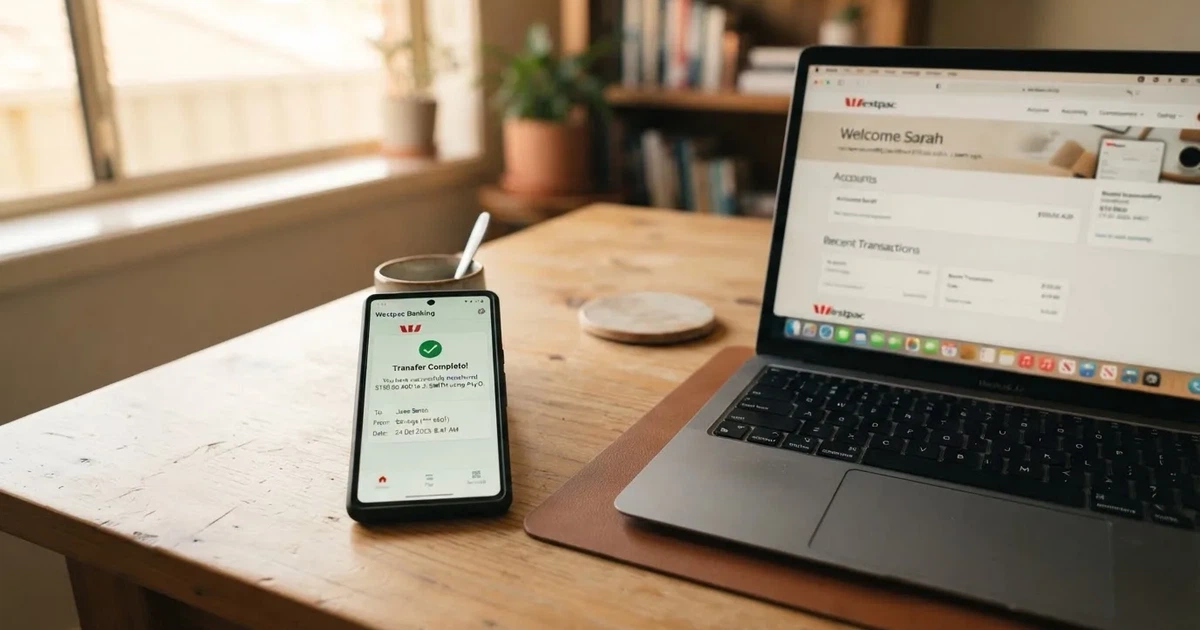
Data current as of 28 October 2026, verified against the ACMA register and AUSTRAC listings.
Table of Contents
- Settleme: The Landscape as It Stands in 2026
- Fundamenta: What PayID Actually Is, and What Osko Adds
- Prohibiti: The Legal Position of an Offshore Pokies Site Accepting PayID
- Payment Detail: What PayID Settles, What the Bank May Block
- RocketPlay — Warned Twice, Two Operators Apart
- Level Up Casino — A 2022 Warning That Has Not Been Re-Tested
- Woo Casino — The Dama N.V. Brand That Got the Follow-Up Round
- Spirit Casino — Same Operator, Two Months After
- National Casino — The July 2025 Round, With an AUSTRAC Footprint
- Bizzo Casino — Warned in 2022, Warned Again in 2025
- Ignition Casino — The Bamboo Media Warning
- Instant Casino — The EOD Code Warning and the Listings Trail
- Jackbit — The April 2026 Round, With CasinOK in the Same Warning
- Casino Intense — The Sterplay Warning, With the Broadest Listings Trail
- Sky Crown — The Hollycorn Warning From 2022
- Responsible Play: What the Page Points Toward
- FAQ
- Final Note
Settleme: The Landscape as It Stands in 2026
Eleven pokies brands that target Australian players through PayID deposits have been named in formal warnings by the ACMA in the past four years alone. The same authority has directed Australian internet service providers to block 1,751 illegal gambling and affiliate marketing websites since the first blocking request in November 2019 — a running total that crossed 1,750 in a June 2026 round reported by industry trade press. That is the shelf this page sits on: a payment rail that genuinely does what the marketing says, and an offshore offer that genuinely cannot be licensed for the audience being courted.
H2 Gambling Capital’s 2025 estimate puts annual losses to illegal gambling sites in Australia at roughly A$3.9 billion, with the share of gambling going through legal channels having fallen from 74% in 2021 to 64% — the same period over which the ACMA’s blocking orders have multiplied. The operators below sit inside that trend. None of them is an Australian licensee. Each is a brand the ACMA has acted against, and each is presented here because the authority named it, not because the page endorses it.
| Brand | ACMA action and date | Operator named by the ACMA | PayID support |
|---|---|---|---|
| RocketPlay | Formal warning, March 2026 (and May 2022 under earlier operator) | Pulsup Ltd / Dama N.V. | — |
| Level Up Casino | Formal warning, May 2022 | Dama N.V. | Listed by Westpac gambling-block category only |
| Woo Casino | Formal warning, March 2025 | Dama N.V. | — |
| Spirit Casino | Formal warning, May 2025 | Dama N.V. | — |
| National Casino | Formal warning, July 2025 | Consolutetish S.R.L. | AUSTRAC / public-registrar listings reference only |
| Bizzo Casino | Formal warning, July 2025 (also 2022 under earlier operator) | Consolutetish S.R.L. / TechSolutions | — |
| Ignition Casino | Formal warning, July 2025 | Bamboo Media | — |
| Instant Casino | Formal warning, February 2025 | EOD Code SRL | Mentioned only on payment-method listings and PayID directory pages |
| Jackbit | Formal warning, April 2026 | Ryker B.V. | — |
| Casino Intense | Formal warning, April 2025 | Sterplay Holding Ltd | AUSTRAC / industry press / NAB merchant-category listings reference only |
| Sky Crown | Formal warning, September 2022 | Hollycorn N.V. | — |
Em dashes in the PayID column are deliberate: research found no figure that ties that brand to PayID specifically. A listing-only tag means the brand surfaces in the kind of directory page a bank or payment aggregator publishes — not that the operator itself has been independently confirmed.
Why the Legal Ground Matters Before the Banking Detail
The Interactive Gambling Act 2001, as tightened in 2017, makes it an offence to provide online casino games, online pokies or in-play betting to a person physically in Australia. No state or territory grants a licence for those products. Wagering on races and sport placed before the event, lotteries and keno are licensable, and most online bookmakers — Sportsbet, Bet365, Ladbrokes among them — are licensed in the Northern Territory through the NTRWC, a body the ABC profiled in April 2026 as having no full-time staff and meeting once a month in Darwin.
The individual player is not the target of the IGA. The provider is. That is why offshore brands keep operating for months before a blocking order lands, and it is also why an Australian who holds an account with one of them has no Australian consumer protection, no local complaints body and no recourse if a withdrawal stalls. The ACMA can block the site with a balance still on it, and that is exactly what the warnings below have been warning against.
Fundamenta: What PayID Actually Is, and What Osko Adds
PayID is an easy-to-remember identifier — a mobile number, an email address, an ABN, or an Organisation Identifier — linked to a chosen bank account. It is operated by Australian Payments Plus, the domestic payments body that runs the New Payments Platform the Reserve Bank of Australia oversees. When a payer sends money to a PayID, the payer’s banking app shows the name registered to that identifier before the transfer is sent, and that name-check is the small but real protection against a scam or a fat-fingered payment.

PayID is offered by more than 100 Australian financial institutions, and it is built into the online banking most of them already provide. As of April 2025 there were more than 25 million registered PayIDs in Australia. The rail they sit on — Osko — settles a bank transfer between participating banks in under a minute, twenty-four hours a day, including weekends, whether the payment is addressed to a BSB and account number or to a PayID.
That is the substance behind the word “instant” when an offshore pokies site uses it. The instant part belongs to the Australian rail, not to the brand at the other end. The brand accepts a PayID deposit because the rail does what the rail does regardless of who is on the receiving side. The page that follows makes clear what sits at that receiving side in the cases below.
What the Banks Add at Their End
Several Australian banks now let customers block gambling transactions at card level. Westpac refuses authorisation under the merchant category code “Betting/Casino Gambling” on eligible personal credit and debit cards. ANZ’s block, activated in the ANZ app, extends to transactions made through a digital wallet such as Apple Pay on an eligible card — not just the physical card — and once it is on, removing it requires a 48-hour waiting period. ANZ itself warns that not all gambling transactions will be blocked and that some non-gambling transactions might be caught in error.
The wider point: a bank block operates on the merchant category the bank has flagged. PayID transfers do not carry a universal gambling MCC the way card transactions do, which is part of why offshore pokies operators find PayID attractive and part of why the same transfer can look, from the bank’s perspective, like any other immediate payment to a third party.
Prohibiti: The Legal Position of an Offshore Pokies Site Accepting PayID
Online casino games and online pokies cannot be licensed anywhere in Australia. That is the single legal fact the rest of this page comes back to, and it is worth stating it flat before walking through the operators. The Interactive Gambling Act 2001 names the activity — “a prohibited interactive gambling service” — and the ACMA is the body that enforces it.
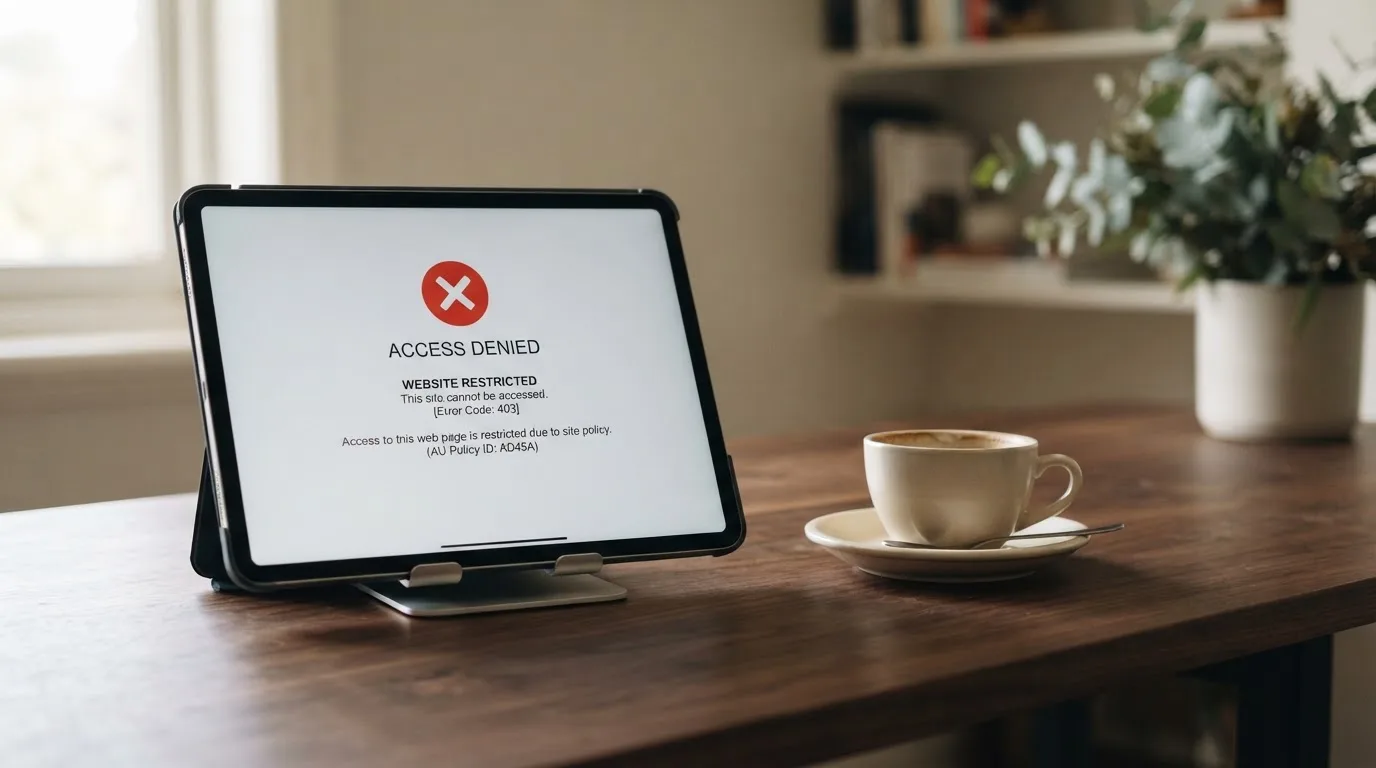
What the ACMA has done in the past four years reads like a calendar of the offshore industry. In May 2022 it warned Dama N.V. over six casino brands in a single action — Bambet, Dazard, Level Up, Rocketplay, Wild Tornado and Cobra Casinos. It came back to the same operator in March 2025 over Woo Casino and in May 2025 over Spirit Casino. In February 2025 it warned EOD Code SRL over Instant Casino; in April 2025, Sterplay Holding Ltd over Casino Intense; in July 2025, Bamboo Media over Ignition Casino, and Consolutetish S.R.L. over both National Casino and Bizzo Casino — Bizzo having already been the subject of an earlier 2022 warning to TechSolutions (CY) Group Limited and TechSolutions Group N.V. In September 2022 Hollycorn N.V. was warned over Sky Crown and Blue Leo. In March 2026 the ACMA warned Pulsup Ltd over RocketPlay, and in April 2026 Ryker B.V. over Jackbit and CasinOK.
The pattern is the data. Offshore operators cycle through new corporate vehicles, rebrand, and re-enter the Australian market — and the ACMA follows, eventually, with another formal warning. None of those warnings makes the brand a worse product on its own merits; the warnings do name a brand that the regulator has judged to be offering a prohibited service to Australians, which is exactly what this page is meant to record.
Where the Player Sits in All of This
Enforcement runs against the operator. The Australian player is not prosecuted for using an offshore site, but neither is the player protected when one of those sites refuses a withdrawal, changes its bonus terms after a deposit, or disappears. BetStop, the National Self-Exclusion Register, binds Australian-licensed online and phone wagering services only; an offshore casino is not connected to it, and a self-exclusion lodged there does not reach an account held with one of the brands in the table above.
The National Gambling Helpline — 1800 858 858 — is free, runs 24/7, and offers chat through Gambling Help Online. The page will say it once. It is the number a person worried about their own play, or someone else’s, calls first.
Payment Detail: What PayID Settles, What the Bank May Block
| Payment Method | Legal Status for Licensed Wagering |
|---|---|
| Debit Card | Allowed |
| Bank Transfer | Allowed |
| PayID/Osko | Allowed |
| BPAY | Allowed |
| Credit Card | Prohibited |
| Cryptocurrency | Prohibited |
A PayID transfer arrives quickly because the rail is fast, not because the receiver is trustworthy. The transfer is irrevocable once the payer’s banking app has confirmed it — that is the design of Osko, and it is the reason AP+ warns directly: “If you are asked to transfer funds to a PayID on an illegal gambling site, it is almost certainly a scambling website.”
“Scambling” is the term AP+ uses for illegal online gambling platforms advertised on social media and messaging apps that route people to scam sites. AP+ advises anyone who thinks they have been scambled to contact their financial institution. PayID itself will never contact a customer directly — emails or messages claiming to be from PayID are themselves a scam; PayID does not ask anyone to send money to receive money, nor does it ask anyone to “upgrade” an account.
Under the Interactive Gambling Act 2001 as amended in 2023, Australian-licensed online wagering services cannot accept credit cards or other credit-related products as payment, a restriction that took effect in June 2024 with penalties for operators of up to A$247,500. The legal deposit routes for licensed wagering are debit card, bank transfer, PayID/Osko and BPAY. A site asking an Australian for a credit card or a crypto deposit is operating outside the Australian rules, and that is one of the simpler checks a reader can run before sending anything.
The Blocking Rate
By June 2026 the ACMA had directed Australian ISPs to block 1,751 illegal gambling and affiliate marketing websites, starting from the first blocking request in November 2019. That is roughly 79 months of enforcement, against a denominator that began at zero and grew every time the ACMA added another round. The arithmetic belongs here because it tells a reader how fast the regulator catches up to an offshore brand — and how often an offshore brand has to start over.
Divided across that window, the running total averages out to a band of roughly 22 blocked sites a month since November 2019, with the latest June 2026 round alone adding twelve more: 7Signs, ChromaBet, Donbet, Duospin, Freshbet, Slots Gem, Jacks Club, Lucky Start, Pointsbetz, Spinrise, Vinyl Casino and Wildsino. The pace is not constant and the brand list above is not a rate calculation — it is the ACMA’s own record, named brand by named brand, dated warning by dated warning. The blocking rate is the background tempo against which an offshore operator’s tenure in Australia has to be read: years of marketing to an Australian audience, almost always ending in a blocked domain and a rebrand.
RocketPlay — Warned Twice, Two Operators Apart
RocketPlay drew a formal ACMA warning to Pulsup Ltd in March 2026, having already been named in the May 2022 warning to Dama N.V. over six brands. The earlier warning is the one that attached the Rocketplay name; the later one is the one that attached the current corporate vehicle. Two operators, six years apart, one brand — the cycle that the §6 dataset documents and that this page keeps coming back to.
PayID support for the brand is not a fact the research carries as confirmed; it surfaces in marketing pages that this page is not in a position to verify. The ACMA warning is the regulator’s own record, and it is the basis on which RocketPlay sits in this ranking. For a reader comparing options, the comparison is whether to use a brand whose Australian-facing operator the ACMA has warned twice — once in 2022 and once in 2026 — versus any of the alternatives in the table. The answer the regulator has already given is that this product cannot be lawfully offered to Australians under either of those operators.
Level Up Casino — A 2022 Warning That Has Not Been Re-Tested
Level Up Casino sits in the ACMA’s May 2022 warning to Dama N.V. — the same round that named Bambet, Dazard, Rocketplay, Wild Tornado and Cobra Casinos alongside it. Research carries the brand through Westpac’s merchant-category listing for “Betting/Casino Gambling” only; no PayID confirmation is in the research, and no later ACMA action is in the research either. The absence of a 2025 or 2026 follow-up is not the same as a clearance — the regulator’s enforcement works in rounds, and the brand may simply not yet have been re-named in the next round. The data here does not promise that Level Up is current; it says the last named action is the May 2022 warning, and that the brand is not in the PayID-confirmed column.
Woo Casino — The Dama N.V. Brand That Got the Follow-Up Round
Woo Casino received its own formal ACMA warning to Dama N.V. in March 2025, after the May 2022 round had covered six of Dama’s other brands. The pattern is the point: the operator survives, the brands rotate, and the regulator catches up brand by brand. PayID support is not a fact the research carries as confirmed for Woo Casino specifically. A reader looking at the table sees an operator named, a date attached, and an em dash where PayID confirmation would sit if it had been independently verified.
Spirit Casino — Same Operator, Two Months After
Spirit Casino drew its formal ACMA warning to Dama N.V. in May 2025, two months after the Woo Casino warning to the same operator. Research carries no PayID confirmation for the brand. The pairing matters because it shows Dama N.V.’s Australian-facing portfolio being addressed one brand at a time, with the regulator running rounds that target whichever surface name is currently active. A reader who treated the Woo Casino warning as the end of Dama’s Australian presence would have been wrong within two months.
National Casino — The July 2025 Round, With an AUSTRAC Footprint
National Casino was named in the ACMA’s July 2025 warning to Consolutetish S.R.L., in the same round that named Bizzo Casino. Research carries the brand through AUSTRAC and public-registrar listings as a reference point only; there is no PayID confirmation in the research. AUSTRAC listings are not a clearance — they are the financial-intelligence register that captures reporting entities the moment certain thresholds are crossed. A brand appearing there is not the same as a brand being licensed to offer online pokies to Australians, and no state or territory grants such a licence. The National Casino write-up is short because the data is short, and the page says what it has rather than what would pad it.
Bizzo Casino — Warned in 2022, Warned Again in 2025
Bizzo Casino was named in the ACMA’s July 2025 warning to Consolutetish S.R.L., and had already been the subject of a 2022 formal warning to TechSolutions (CY) Group Limited and TechSolutions Group N.V. Two operators, two warnings, one brand — the same shape as RocketPlay, two entries above. PayID confirmation is not in the research. The verdict here is the regulatory record: a brand the ACMA has had to warn twice over four years is a brand whose Australian-facing operation the regulator keeps having to interrupt.
Ignition Casino — The Bamboo Media Warning
Ignition Casino drew the ACMA’s July 2025 warning to Bamboo Media, in the same month as the Consolutetish S.R.L. round that named National Casino and Bizzo Casino. Research carries no PayID confirmation for the brand. Ignition is the seventh operator in the table that has no PayID entry on the page, and the eighth that has no entry confirmed by anything other than payment-method listings.
Instant Casino — The EOD Code Warning and the Listings Trail
Instant Casino received its formal ACMA warning to EOD Code SRL in February 2025. It is the one brand in the table for which research carries a listings-only PayID trace — Instant Casino surfaces in payment-method directories and on a PayID directory page, not in an operator-confirmed statement. The listings trail is what makes Instant Casino worth distinguishing from the rest of the table: it is the closest the research comes to an independent PayID reference, and even that is a directory listing rather than a verification.
Jackbit — The April 2026 Round, With CasinOK in the Same Warning
Jackbit received the ACMA’s April 2026 warning to Ryker B.V., in the same round that named CasinOK. Research carries no PayID confirmation for the brand. The pairing is the pattern again: the regulator names the operator once and covers whichever surface brands that operator is running at the time. The April 2026 round is the most recent action in the table, and it sits four months before the June 2026 blocking round that took the running total past 1,750.
Casino Intense — The Sterplay Warning, With the Broadest Listings Trail
Casino Intense received the ACMA’s April 2025 warning to Sterplay Holding Ltd. It is the brand in the table for which research carries the broadest listings-only PayID trace — AUSTRAC, industry press and NAB merchant-category listings all reference the brand, none of them confirm PayID specifically. The breadth is itself a signal: a brand that surfaces across that many listings is a brand with an established Australian-facing footprint, which is what put it on the ACMA’s radar in the first place.
Sky Crown — The Hollycorn Warning From 2022
Sky Crown sits in the ACMA’s September 2022 warning to Hollycorn N.V., which also named Blue Leo at the same time. Research carries no PayID confirmation for the brand. It is the oldest warning in the table, and the only one whose action date predates the 2024 credit-card ban on Australian-licensed wagering. The intervening years have not been years in which Sky Crown stopped targeting Australians — they have been years in which the brand operated between formal warnings, and the regulator has not had occasion to act again within the window the research covers.
Responsible Play: What the Page Points Toward
Australian-licensed wagering carries the protections the IGA sets out and that AUSTRAC’s reporting regime underwrites. Offshore pokies carry none of them. BetStop is the National Self-Exclusion Register, live since August 2023, and it binds Australian-licensed online and phone wagering services — an offshore casino account is not connected to it, and a self-exclusion lodged with BetStop does not close an account at any of the brands in the table above. The page says it once: the National Gambling Helpline is 1800 858 858, free, 24/7, with chat through Gambling Help Online. Anyone reading this page because they are worried about their own play, or someone else’s, calls that number.
FAQ
Why do pokies sites specifically advertise PayID rather than a regular bank transfer?
PayID is offered by more than 100 Australian financial institutions and is built into the online banking most of them already provide, which means an Australian player can deposit without entering a BSB and account number or signing up to a new e-wallet. Osko settles the transfer in under a minute, twenty-four hours a day, including weekends. From the operator’s side, that lowers the friction at the deposit step. From the regulator’s side, the transfer is still a transfer to an offshore recipient, and the speed of the rail does not change what the product is.
Is a pokies site described as “trusted” any safer than one that isn’t?
“Trusted” is a marketing word on a page the reader is reading because an offshore operator wants their deposit. The ACMA’s list of formal warnings is the regulator’s own record of which brands have been judged to offer prohibited services to Australians, and it is published regardless of what any individual site says about itself. A reader weighing the word “trusted” should weigh it against the operator the ACMA has named, the date it was named, and the licence the brand displays at the bottom of its homepage.
Can an Australian legally use PayID to fund an offshore pokies account?
The Interactive Gambling Act 2001 targets the provider, not the player. An Australian sending a PayID transfer to an offshore pokies operator is not prosecuted for the transfer itself. What the transfer does, however, is fund a product that cannot be licensed for the Australian audience, and the account sits outside Australian consumer protection. If the operator refuses a withdrawal, there is no local complaints body to escalate to, and the ACMA can block the site with a balance still on it.
How does an “instant PayID” pokies claim compare with the real Osko settlement times banks describe?
Osko, the rail PayID runs on, settles a transfer between participating banks in under a minute, twenty-four hours a day, including weekends. That is what the rail actually does. The “instant” the pokies site claims is the deposit step at the operator’s end, which is the part the operator controls — crediting the balance, processing the deposit, releasing the play. The Australian rail delivers the money; the offshore operator decides when it shows up in the player’s account. The marketing uses one word for both.
What is the difference between “payid pokies” and “online pokies payid” as search terms — is it the same content?
Both phrases describe the same product: offshore pokies brands that accept PayID deposits from Australian players. The order of the words changes how the phrase reads but not what it points at. The legal status is the same under either phrasing: no state or territory licenses the product, and the ACMA’s enforcement record in the table above applies to the same set of operators regardless of which phrase the reader typed in.
What should someone check about a site before trusting its own claim to be licensed for PayID pokies?
A licence claim on a pokies homepage is the first thing to test, not the last. The reader can check the ACMA register of formal warnings to see whether the brand has been named. The reader can check the operator named in the ACMA warning against the company on the site’s terms page. The reader can check the payment rail the site asks them to use — PayID is fine for any legal Australian transfer, but the recipient of the PayID is what determines whether the underlying product is legal in Australia. The reader can also ask whether the brand is connected to BetStop, which it will not be, and whether the consumer protection it offers is enforceable in Australia, which an offshore site cannot offer.
Final Note
The page closes where it opened: PayID is fast and Australian. The pokies brands that advertise it are offshore, cannot be licensed for Australians, and are listed here because the ACMA has acted against them. The blocking rate — roughly 22 sites a month averaged across the 79 months since November 2019, with the latest round adding twelve in June 2026 — is the tempo the regulator sets. A reader weighing an offer against that tempo has the data the page set out to give them.