
No minimum deposit casino Australia in 2026: what the marketing leaves out
A “no minimum deposit” banner is the cheapest promise an offshore casino site can print. The deposit, in marketing terms, becomes free of friction: tap, send a dollar, play. In Australian terms the picture is harsher. No state or territory issues a licence for online casino games, online pokies or in-play betting. Every site advertising that promise to an Australian sits outside the Interactive Gambling Act 2001 (IGA) regime, and the Australian Communications and Media Authority (ACMA) has spent the last several years acting on exactly that set of operators. The page below works through what the “no minimum” claim covers, what the crypto version of the same claim does and does not change, and where the legal and consumer-protection floor actually sits for an Australian in 2026.

Data current as of 28 October 2026, checked against the ACMA’s published formal-warning register and the Reserve Bank of Australia’s payment-cost review materials.
Table of Contents
- What “no minimum deposit” actually means offshore
- Why the legal floor for online casino in Australia is total
- What a crypto “no minimum” deposit adds — and what it does not
- The payment rails Australians actually use — and what each is good for
- Where the ACMA has actually moved against offshore casinos in 2026 and recently
- How fast the ACMA’s blocking list has actually grown
- How the ACMA’s recent block round fits the broader picture
- Where the responsible-gaming frame sits for an Australian reader
- The 2026 reform backdrop
- Tax framing for an Australian recreational player
- Reading the “no minimum” claim at the deposit form itself
- Frequently asked questions about no minimum deposit casinos for Australians
What “no minimum deposit” actually means offshore
The phrase means what it says on the tin: the casino’s deposit form lets the player send any amount above zero and credit a real-money balance. In practice that floor is set by two things the casino does not control: the payment method’s own minimum, and the network fee attached to moving small sums.

Card payments rarely fall below about A$10 because the merchant’s processing fee on a smaller transaction swallows the deposit. Crypto deposits can technically be tiny — a few dollars’ worth of bitcoin or a fraction of an ether — but each transfer still pays a network fee, and at busy times on Ethereum or Bitcoin that fee alone can exceed the deposit. Bank-transfer routes via PayID or Osko have no minimum at the platform level, but a transfer of A$0.50 from an Australian bank is unusual enough to draw the account holder’s own bank’s scrutiny. So “no minimum” is most often a payment-method floor rather than a casino policy floor.
None of that licensing caveat changes for an Australian player. The casino accepting the deposit is the same operator whether the deposit is A$1 or A$100, and the same IGA test applies regardless of size.
See also Online pokies instant withdrawal in Australia.
Why the legal floor for online casino in Australia is total
The IGA, as tightened by the Interactive Gambling Amendment Act 2017, makes it an offence to provide online casino games or online pokies to a person physically present in Australia. State and territory regulators do not licence that product, full stop. What is licensable is wagering on racing and sport placed before the event, lotteries and keno — in practice licensed through the Northern Territory Racing and Wagering Commission (NTRWC), which regulates 52 of Australia’s online bookmakers including Sportsbet, Bet365 and Ladbrokes for tax reasons, runs without full-time staff and meets once a month in Darwin.
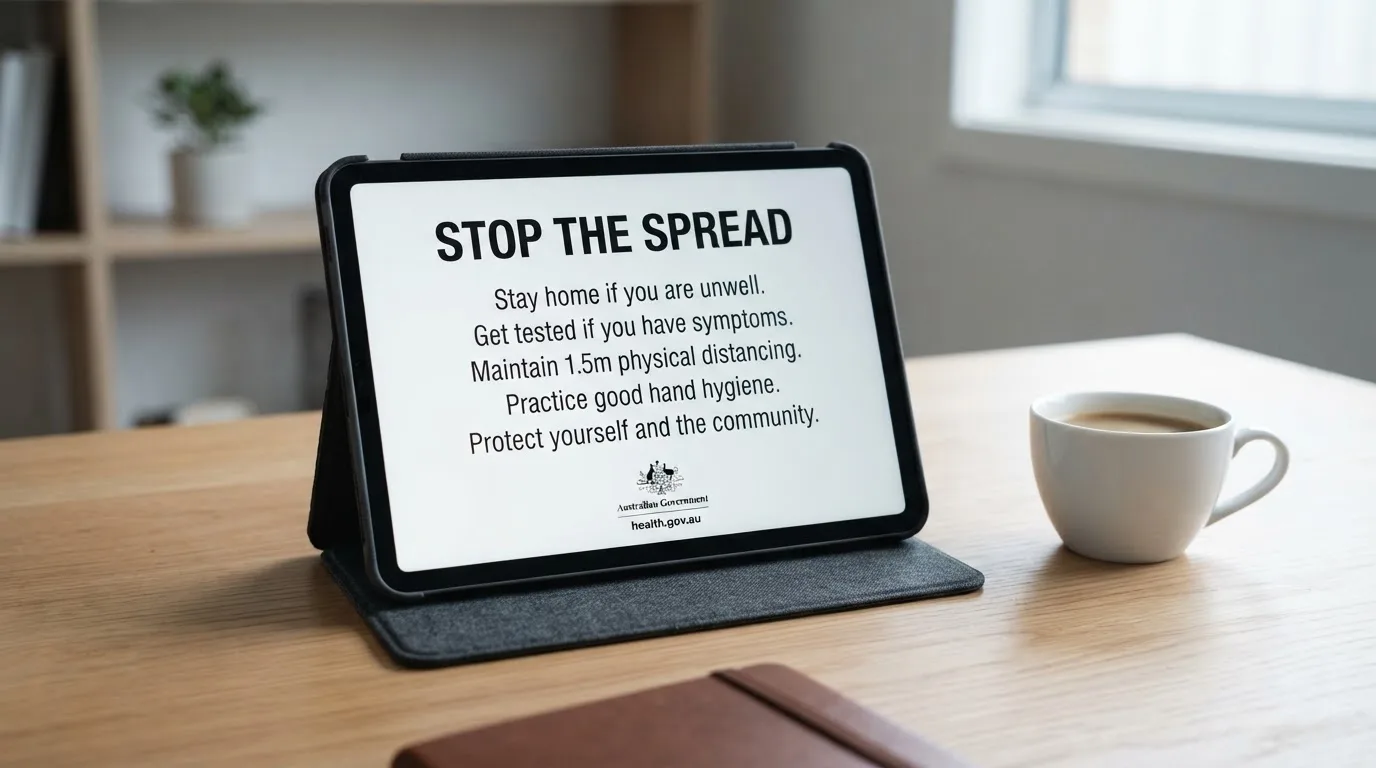
The player is not the IGA’s target. The law aims at the provider, and enforcement falls to the ACMA: investigations, formal warnings, and directions to Australian internet service providers to block illegal sites. By June 2026, 1,751 illegal gambling and affiliate marketing websites had been blocked since the first blocking request in November 2019, and more than 230 unlicensed services had left the Australian market since 2017.
The consumer consequence is the part that bites. An offshore casino gives no Australian consumer protection, no complaints body and no recourse if a withdrawal is refused. The site can be blocked while a real-money balance still sits on it. BetStop, the National Self-Exclusion Register, binds only Australian-licensed online and phone wagering services — an offshore casino is not connected to it. The deposit that started the relationship cannot be wound up through any Australian channel once the operator chooses not to pay.
What a crypto “no minimum” deposit adds — and what it does not
Crypto is the route most often paired with the “no minimum” promise, and it is the route the marketing most often dresses up in anonymity language. The mechanics are honest: the player sends bitcoin, ether, USDT or another coin to a wallet address the casino controls, the network confirms it, and the casino credits a balance in fiat or coin. Minimums are easy to publish low because the operator is setting them, not a card network or a bank.
That does not turn an offshore casino into a verified, licensed or safe venue for an Australian. The IGA test runs on the service offered to a person in Australia, not on the payment rail used to fund it. A bitcoin deposit to an unlicensed operator is still an unlicensed transaction. The blockchain’s transparency — visible on a public ledger — does not give the depositor a chargeback, an ombudsman or a working dispute path.
Network fees are the other half of the crypto picture, and they are the half most “no minimum” ads omit. Bitcoin and Ethereum transaction fees fluctuate with congestion, and on a quiet network a transfer can cost a fraction of a cent in coin terms; on a busy one it can cost several dollars. Sending the equivalent of A$2 in bitcoin to pay a “no minimum” deposit, and paying A$3 in miner fees to do it, is the practical meaning of the claim under live conditions. Stablecoins on low-fee chains (USDT on Tron being the obvious example) reduce that problem, and a few operators do advertise that path, but the licensing status of the casino is unchanged.
The crypto framing also interacts with the IGA’s payment rules. Under amendments that took effect on 11 June 2024, Australian-licensed online wagering services cannot accept payment by credit card, by credit-related products, or by digital currency. A licensed Australian wagering operator asking for a crypto deposit is operating outside its own rules. An offshore casino asking for one is operating outside Australian law altogether.
The payment rails Australians actually use — and what each is good for
A handful of Australian payment rails come up whenever “no minimum” is discussed, because they are the ones that genuinely allow very small transfers and are already in the reader’s banking app.
Osko and PayID. Osko is the instant-transfer layer of Australia’s New Payments Platform (NPP), which became accessible to the public on 13 February 2018. A transfer between participating Australian banks, addressed to a BSB and account number or to a PayID, arrives in under a minute, 24/7 including weekends. More than 25 million PayIDs had been registered on the NPP by April 2025, and PayID-based instant transfers are available at over 100 Australian financial institutions. Paying to a PayID shows the account holder’s name before the transfer is sent — Australian Payments Plus warns that being asked to transfer to a PayID on an illegal gambling site almost certainly means a scam site.
BPAY. A bill-payment service available in the online banking of over 140 Australian banks and financial institutions, run by Australian Payments Plus (the same operator as PayID and Osko), and offered by over 95,000 businesses. BPAY has operated in Australia since 1997 and is owned equally, via parent company Cardlink Services Limited, by ANZ, Commonwealth Bank, National Australia Bank and Westpac. As a consumer-facing rail it works for paying bills; offshore casinos do not appear as BPAY billers in any normal sense.
Card networks. Visa, Mastercard and eftpos are the rails the Reserve Bank of Australia reviewed in July 2025, proposing to remove surcharges only on those three. American Express is explicitly outside the proposed surcharge ban — Amex is a three-party scheme that issues cards and processes transactions itself, a structure that dates to its first charge card on 1 October 1958. By the end of 2025, Apple Pay, Google Pay and Samsung Pay transactions collectively accounted for around 45% of all card payments in Australia by number, and those wallets sit on top of the underlying card network rather than around it.
Australian bank gambling blocks. Several Australian banks now let customers block gambling transactions at the card level. Westpac’s gambling block refuses authorisation of transactions registered under the merchant category code for betting and casino gambling on eligible personal credit and debit cards. ANZ’s gambling transaction block, activated in the ANZ app, blocks gambling transactions made through a digital wallet such as Apple Pay on an eligible card, and not just the physical card; once turned on, removing the block requires a 48-hour waiting period, and ANZ warns that not all gambling transactions will be blocked and some non-gambling transactions might be blocked in error. Commonwealth Bank lets customers apply a gambling lock to eligible cards via the CommBank app, which automatically blocks most gambling transactions, though the bank states it cannot guarantee all gambling-related purchases will be stopped. Each of these blocks works against the licensed wagering product, not against offshore casino transactions identified as something else.
The point of listing these rails is not to map a path to an offshore casino. It is to show that the rails themselves have native minimums, native fees and native Australian consumer protections, and that an offshore operator offers none of those layers regardless of which rail the deposit arrives on.
Where the ACMA has actually moved against offshore casinos in 2026 and recently
The ACMA publishes a formal-warning register, and the brands below are the ones the authority has named in the past four years for offering prohibited interactive gambling services to Australians. Each entry is what the register says; the column on payment support reflects what other public listings report about the same brand — never an endorsement.
| Brand | ACMA action and date | Operator named by the ACMA | Payment-method listings |
|---|---|---|---|
| RocketPlay | March 2026 (and May 2022 under earlier operator) | Pulsup Ltd; Dama N.V. | Listings note crypto and card options |
| Level Up Casino | May 2022 | Dama N.V. | Listings note card and e-wallet options |
| Woo Casino | March 2025 | Dama N.V. | No data |
| Spirit Casino | May 2025 | Dama N.V. | No data |
| National Casino | July 2025 | Consolutetish S.R.L. | Listings note bank transfer and e-wallet options |
| Bizzo Casino | July 2025; earlier 2022 | Consolutetish S.R.L.; TechSolutions | Listings note crypto and card options |
| Ignition Casino | July 2025 | Bamboo Media | No data |
| Instant Casino | February 2025 | EOD Code SRL | Listings note e-wallet and instant bank options |
| Jackbit | April 2026 | Ryker B.V. | No data |
| Casino Intense | April 2025 | Sterplay Holding Ltd | Listings note crypto and bank transfer options |
| Sky Crown | September 2022 | Hollycorn N.V. | No data |
What the table actually shows is who the ACMA has named, and how often the same operator group shows up across multiple brands. Dama N.V. is on the register four times for six brands across 2022 and 2025. Consolutetish S.R.L. is on the register once with two brands in July 2025. The pattern is consistent: an offshore group rebrands, the ACMA names the new skin, and the warning is published regardless of whether the new front-end shares the old licence. The “operator named by the ACMA” column is the one that matters here — it is the corporate entity the authority has identified, and it is the entity the IGA test runs on.
No minimum deposit casino Australia in 2026 — More on this topic at casino safety.
How fast the ACMA’s blocking list has actually grown
The arithmetic that belongs to this page is the blocking-rate calculation: the rate at which the ACMA has added illegal gambling sites to the block list over the years of enforcement.
Inputs, as published: a running total of 1,751 blocked sites, the first blocking request issued in November 2019, and the enforcement-strengthening date of 2017. From November 2019 to June 2026 is roughly six and a half years, which works out to a band of roughly 270 blocked sites a year, or about 22 a month. The figure varies month by month — the ACMA reported a single round of 12 added sites on 26 June 2026 alone (7Signs, ChromaBet, Donbet, Duospin, Freshbet, Slots Gem, Jacks Club, Lucky Start, Pointsbetz, Spinrise, Vinyl Casino and Wildsino) — but the long-run pace is the figure that matters for how the list has grown.
What that pace tells a reader is that enforcement is not a one-off announcement. The block list is a running total, refreshed in batches, with new operators named faster than old ones can rebrand out of the way. For anyone weighing an offshore “no minimum deposit” offer in 2026, the data point is not that a particular site is on the list today; it is that the list itself is several years deep, and the operator group behind any given brand is often already on it under another name.
How the ACMA’s recent block round fits the broader picture
The 12-site blocking round reported on 26 June 2026 is a single batch, and reading it as the headline number misses the texture. The 12 names split between casino skins and affiliate marketing pages that promote them, which is consistent with how the ACMA has structured earlier rounds. Two of the named brands carry operator groups the authority has previously warned (the Dama N.V. cluster under earlier names, in particular), and several are new skins the authority has not previously named. The total of 1,751 sites is the running figure; the 12-site round is one increment of it.
The H2 Gambling Capital estimate for 2025 puts Australian losses to illegal gambling sites at about A$3.9 billion a year, with the share of gambling going through legal channels falling from 74% in 2021 to 64%. The block list and the loss estimate point in the same direction: enforcement is moving, and the offshore market it is moving against is also moving.
Where the responsible-gaming frame sits for an Australian reader
Responsible gambling material in this context is not a marketing footnote. It is the alternative to the offshore offer, because the licensed Australian wagering product is the only one the consumer-protection framework actually covers.
BetStop, the National Self-Exclusion Register, has been live since August 2023. A punter who registers is excluded from Australian-licensed online and phone wagering services for a chosen period. The register does not bind offshore operators, and registration does not stop an offshore site from accepting a deposit — but it does close the legal-wagering side of the picture, which is the side a self-excluded punter needs closed.
The National Gambling Helpline is 1800 858 858, free and 24/7, with chat at Gambling Help Online. The Australian bank gambling blocks described above are a separate layer: they run at card or wallet level rather than at the player level, and they cover the licensed wagering product. Each layer helps with the part of the picture it is built for, and the offshore casino gap is the part none of them was built for.
The 2026 reform backdrop
The Interactive Gambling Amendment (Gambling Reform) Bill 2026 passed Parliament on 19 August 2026. Its advertising and inducement measures commence on 1 January 2027, which means the law has a start date and is not yet in force on a 2026 page. The reform’s effect on offshore casino advertising in Australia is forward-looking; the IGA prohibition itself, and the ACMA’s enforcement against operators offering prohibited services, is current law.
Tax framing for an Australian recreational player
Gambling winnings of a recreational player are not assessable income under section 6-5 of the ITAA 1997, and losses are not deductible, unless the person carries on a business of gambling. That framing applies to winnings on a licensed Australian wagering product and on offshore products alike — the tax treatment of the winnings is the same. The model is “check with the ATO”, because the ATO makes the call on whether a given pattern of play is recreational or business.
The part that does differ between a licensed Australian wagering operator and an offshore casino is what happens when a withdrawal is refused. The licensed operator sits inside the Australian dispute framework. The offshore operator sits outside it. Tax status does not solve that asymmetry.
Reading the “no minimum” claim at the deposit form itself
A practical read of the deposit form is the most useful single thing a reader can do, and it does not require opening an account.
The first signal is the payment-method list. A licensed Australian wagering operator’s deposit options include debit card, bank transfer, PayID, Osko and BPAY. An offshore casino’s list adds credit cards, crypto and a long tail of e-wallets. The presence of crypto and credit cards is, on its own, a clear sign the operator is offering something the licensed Australian framework does not permit to be paid that way.
The second signal is the withdrawal page. Licensed operators publish the time a withdrawal takes and the verification steps required to release funds. Offshore operators often publish only the deposit-side numbers — “instant deposit”, “no minimum deposit” — and leave withdrawal times vague. The asymmetry between the deposit half of the page (fast, friction-free, low-minimum) and the withdrawal half (slow, conditional, sometimes undocumented) is the structural feature of the offshore market, and “no minimum” is most often deployed on the half of the page that recruits.
The third signal is the licence line. Offshore sites display licences from Curaçao, Anjouan or other jurisdictions. None of those licences authorise the operator to take Australian customers on casino games; the IGA test runs on the customer, not on the licence display.
Frequently asked questions about no minimum deposit casinos for Australians
What is the smallest deposit a casino can realistically accept before payment fees make it pointless?
For a card payment, the practical floor is roughly A$10 — below that, the merchant’s processing fee eats the deposit. For a crypto payment, the floor is set by the network fee on the chain used, which fluctuates and can exceed a small deposit on busy networks. For an Australian bank transfer via PayID or Osko, the platform minimum is zero, but the bank may flag unusually small transfers.
Does a crypto casino with no minimum deposit behave differently from a fiat one with the same claim?
The deposit rail differs and the licensing status does not. The Interactive Gambling Act 2001 applies to the service offered to a person in Australia regardless of payment method, and crypto does not turn an offshore operator into an Australian-licensed venue. The “anonymity” framing around crypto deposits is marketing language, not a consumer-protection feature.
Is any casino advertising no minimum deposit actually licensed to accept Australian players?
No. No state or territory in Australia licences online casino games, online pokies or in-play betting. What is licensable is wagering on racing and sport placed before the event, lotteries and keno — licensed in practice through the Northern Territory Racing and Wagering Commission. Any site offering casino games to Australians is operating outside the IGA, irrespective of any offshore licence it displays.
How does a bitcoin casino’s “no minimum deposit” claim interact with blockchain network fees?
Bitcoin network fees fluctuate with congestion. A small bitcoin deposit can be more expensive in fee than in deposited value during busy periods. Some operators use low-fee chains or stablecoins to reduce that problem. The licensing status of the operator is unchanged whichever coin or chain is used.
Why do so many low-deposit casino ads specifically mention “no minimum” rather than a dollar figure?
A dollar figure invites comparison with competitor offers; “no minimum” is a recruiting line that removes the friction of having to read past a number. It also pushes the reader toward payment rails where the actual minimum is set elsewhere — by the card network, the bank, or the blockchain — rather than by the casino. The casino’s minimum is often higher than the marketing suggests once those rails are added.
What should someone compare before trusting a “no minimum deposit” claim across several sites?
Compare the licence claim against the ACMA’s formal-warning register, compare the deposit-rail list against the payment methods an Australian-licensed wagering operator is permitted to take, and compare the withdrawal-time page against the deposit-time page. The operators most often named on the ACMA register are also the ones most often advertising the lowest deposits.