
Relax Gaming casinos in Australia: what the offshore market looks like in 2026
Data current as of 28 October 2026, verified against the Australian Communications and Media Authority’s published register of formal warnings and blocking requests.
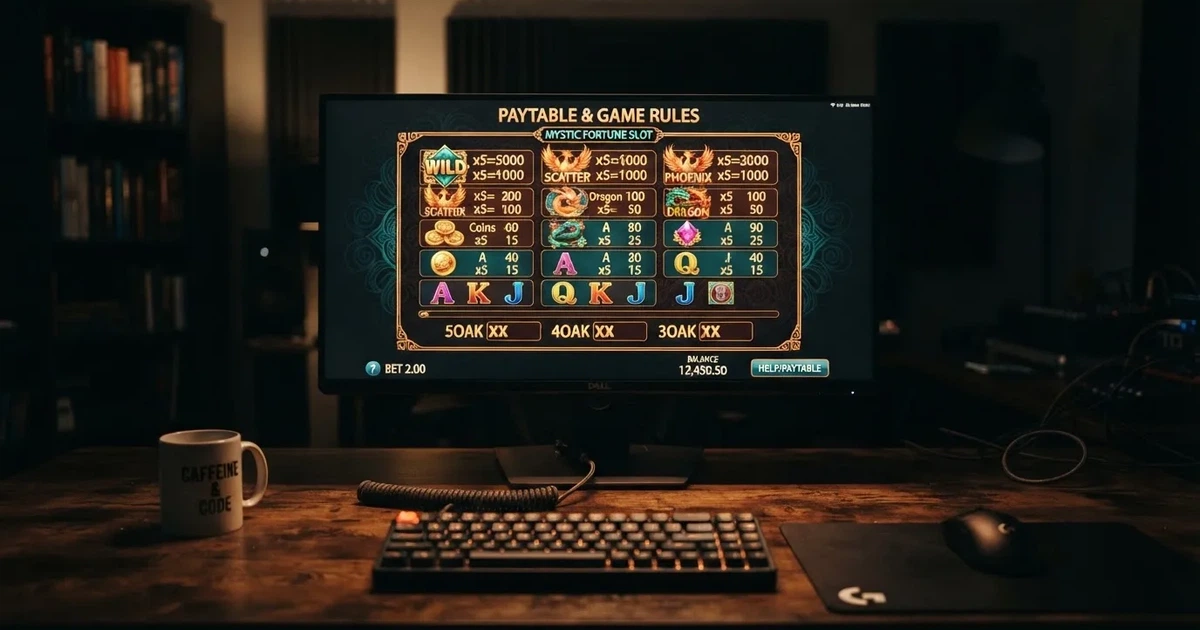
A search for “Relax Gaming online casinos Australia” returns a wall of offshore sites marketing slots and live tables to Australian visitors. Every one of them sits on the wrong side of the Interactive Gambling Act 2001. None can hold an Australian licence, because no Australian licence for online casino games exists to be held. What this page sets out is the shape of that gap: which Relax Gaming titles are on offer at all, which brands are pushing them at Australians this year, and what the regulator has actually been doing about it.
The phrase “best Relax Gaming casino” reads like a buyer’s guide. Read literally it is the wrong question. The right questions are whether the product is legal to offer at all in this country, which brands keep surfacing despite that, and what recourse an Australian player actually has when one of those brands sits on a withdrawal. The rest of this page works through those three.
Table of Contents
- Legality: what the Interactive Gambling Act 2001 actually prohibits
- Responsible gambling supports available to an Australian reader
- Payments and payout speed: what actually happens with an offshore account
- Bonuses and free spins: what the marketing claim actually delivers
- Mobile play: what an Australian gets on a phone
- Relax Gaming and other providers in the Australian-facing catalogue
- The eleven brands the ACMA has acted against
- Operator write-ups
- How many sites the ACMA has blocked, and what the rate tells us
- Overview: what an Australian reader should take from this page
- Frequently asked questions
Legality: what the Interactive Gambling Act 2001 actually prohibits
Australia’s online gambling framework rests on a single, blunt rule. The Interactive Gambling Act 2001, tightened by the Interactive Gambling Amendment Act 2017, makes it an offence to provide online casino games, online pokies or in-play betting to a person physically in Australia. No state or territory issues a licence for that product, because none has the power to. What is licensable is wagering on races and sport placed before the event, lotteries, and keno — in practice licensed by the Northern Territory through a regulator that, by April 2026, had no full-time staff and met once a month in Darwin.

That regulatory gap is the whole reason this page exists. An offshore site can hold a Curaçao, Malta or Kahnawake licence, can display that licence in its footer, can promise Responsible Gambling tools and RTP audits. None of those licences cover Australian players. The Australian minimum age of 18 is binding, but it is binding on a market that the regulator cannot supply. The IGA targets the provider, not the player — that distinction matters, because it explains why these sites keep operating even after the regulator acts.
How the ACMA enforces it
The Australian Communications and Media Authority does three things, in escalating order. It investigates complaints. It issues formal warnings, naming the operator behind a brand and publishing the warning on its website. It directs Australian internet service providers to block offending domains, which is the step with teeth.
By June 2026, the ACMA had asked ISPs to block 1,751 illegal gambling and affiliate marketing websites since the first blocking request in November 2019, and more than 230 unlicensed services had left the Australian market since enforcement was strengthened in 2017. A single round reported on 26 June 2026 added twelve domains: 7Signs, ChromaBet, Donbet, Duospin, Freshbet, Slots Gem, Jacks Club, Lucky Start, Pointsbetz.com, Spinrise, Vinyl Casino and Wildsino. That round is the snapshot the page is current against — older warnings stay on the ACMA register and stay relevant.
The pattern matters. A formal warning is not the same thing as a blocked domain. A site can carry a warning for years and keep taking Australian deposits while its affiliate pages keep running ads on Australian-facing search results. Blocking is the step that takes the site offline for Australian visitors; warnings are the precursor that often precedes it.
The 2026 reform package sitting in front of the rule
Parliament passed the Interactive Gambling Amendment (Gambling Reform) Bill 2026 on 19 August 2026. Its advertising and inducement measures commence on 1 January 2027 — law with a start date, not yet in force on a page dated to this year. The bill changes how offshore operators can market to Australians, the size of penalties, and the regulator’s information-sharing powers. It does not legalise online casino games. Nothing on the statute book proposes to.
That reform package is the most important pending change for an Australian reader weighing any offshore offer this year. It tightens what the ACMA can already do, and it sets a date after which the marketing layer around these brands changes shape. The product itself — online casino games supplied to Australians — stays prohibited on the same terms it has been.
Responsible gambling supports available to an Australian reader
The supports that exist are the ones attached to licensed Australian wagering, which means sports and race betting. Offshore casinos do not connect to any of them.
BetStop — the National Self-Exclusion Register. Live since August 2023. Anyone in Australia can register a self-exclusion that binds every Australian-licensed online and phone wagering service. The list is enforced at signup. A self-excluded person cannot open a new account with a licensed Australian bookmaker for the duration of their registration. The register does not bind offshore casinos. An Australian can self-exclude from the licensed market and still be free to deposit at an offshore site the same evening.
Gambling Help Online and the National Gambling Helpline. Free, 24/7, on 1800 858 858, with web chat and email counselling at Gambling Help Online. The service is for anyone affected by gambling harm, including people whose gambling sits entirely outside the Australian-licensed market.
State and territory self-exclusion. Each Australian state and territory runs its own register for venue-based gambling — pubs, clubs and casinos in their jurisdiction. These registers bind Australian-licensed land-based venues. They do not bind online offshore sites.
The blunt point. Self-exclusion from BetStop closes off the Australian-licensed market a person is actually in. It does not close off the offshore market that targets them. A person managing gambling harm who uses only the Australian registers has used the tool that fits their market and left untouched the market that does the heaviest marketing.
What this means for anyone weighing an offshore offer
The protections a person gets by playing at an Australian-licensed venue — dispute resolution, complaint pathways, self-exclusion that holds, identity-verified age checks, advertising rules — are precisely the protections an offshore casino is not required to provide. H2 Gambling Capital’s 2025 report estimated Australians lose about A$3.9 billion a year to illegal gambling sites, and that the share of gambling going through legal channels fell from 74% in 2021 to 64% — the illegal share is now bigger than a third of the total. The size of the number is its own argument about how the offshore market operates, and the rest of this page follows the consequences.
Payments and payout speed: what actually happens with an offshore account
The payments picture is shaped by two regimes running side by side.
Australian-licensed wagering. Since 11 June 2024, credit cards, credit-related products and digital currency are banned as payment for licensed online wagering. Penalties for an Australian operator accepting them run up to A$247,500. The legal deposit routes are debit card, bank transfer, PayID and Osko, and BPAY. The list is short on purpose. The rule is also enforced: a licensed bookmaker asking for a credit card is in breach of its licence conditions.
Offshore casinos. They are not bound by the credit-card ban, the crypto ban, or the Australian deposit-route list. In practice, offshore casinos accepting Australians tend to take Visa and Mastercard debit (because the card rails are not blocked, only credit rails are), a handful of e-wallets, bank transfers, and — increasingly — a range of cryptocurrencies. Some sit on a hybrid model: fiat in, crypto out, or crypto in throughout. Settlement times depend on the route.
Crypto deposits are typically credited after a small number of network confirmations — under an hour for most major coins on a quiet network, longer when the chain is congested. E-wallet withdrawals are typically advertised at 24 to 48 hours, sometimes faster. Bank transfers take longer: two to five business days is normal, occasionally a week. Debit-card withdrawals route through the card network and can take three to seven business days.
What that picture hides. The advertised payout speed is what the casino wants a person to read. It is not the same as the time between requesting a withdrawal and seeing cleared funds in an Australian bank account. KYC checks happen at withdrawal, not at deposit, and an offshore casino with a backlog on its first withdrawal can hold funds for days while it reviews identity documents. Verification refusal is the cleanest way an offshore site walks away from a payout obligation, because the casino’s terms typically give it that right.
A practical rule for anyone weighing an offshore brand: assume the first withdrawal will be slower than every one after it, by enough margin to break a budget, and decide accordingly. The fastest payout on an offshore site is the one the site has already approved and released.
What a player can actually dispute
Almost nothing, once the deposit is offshore. An Australian-licensed bookmaker sits inside a complaints framework — internal dispute resolution, then an external dispute resolution scheme, then action by the regulator. An offshore casino sits inside the dispute framework its own licence provides, which is a Curaçao or Anjouan complaint process with no Australian nexus. The Australian regulator cannot help a person retrieve funds from a Curaçao-licensed operator, because the operator is not subject to Australian law.
The credit-card and crypto bans also have a quieter effect. A person funding an offshore account with a credit card is using a product the Australian government has judged unsafe enough to ban from the legal market — using it offshore does not change that judgement. A person funding with crypto is using a payment the regulator has decided is untraceable enough to warrant a ban from the legal market.
Bonuses and free spins: what the marketing claim actually delivers
A bonus on an offshore casino is a marketing spend dressed up as a gift. The mechanism runs in three parts.
The offer. A match on deposit, free spins on a named slot, or a package combining both. The number in the headline — “100% up to A$500”, “200 free spins on Money Train 2” — is the figure the casino wants read. It is also the figure furthest from what the bonus is actually worth.
The wagering requirement. A multiple applied to the bonus, the deposit, or both, before any winnings can be withdrawn. The multiple is the figure the casino does not want read. A 35x bonus wagering requirement on a A$500 bonus means A$17,500 of qualifying bets before withdrawal unlocks. A 50x requirement on the same bonus means A$25,000. The difference is A$7,500 of turnover a player must produce to clear the bonus, and the house edge on that turnover is what the bonus actually costs.
The cap and the expiry. Maximum cashout from a free-spin win — common caps are 5x to 10x the bonus amount, sometimes lower. A time limit on the wagering — seven days, fourteen days, thirty days. Game-weighting restrictions that exclude the highest-RTP titles from contributing to wagering. A maximum bet per spin during wagering, often A$5 or A$10, that voids the bonus if exceeded.
How this lands on a Relax Gaming title
Relax Gaming’s catalogue spans a wide RTP range. Some of its slots sit comfortably above 96%. A few sit in the mid-90s. The exact RTP matters because it is the figure the house edge is taken from. A 96% slot has a 4% house edge; a 94% slot has a 6% house edge. Across the A$17,500 of qualifying turnover required to clear a typical 35x bonus on a 96% slot, the expected loss is A$700 — the bonus’s real cost in dollars. On a 94% slot at the same turnover, the expected loss is A$1,050. The slot choice moves the cost by a third.
Free-spin packages ride the same arithmetic with smaller numbers. A 50-free-spin package on a 96% slot, with winnings wagered 40x, has a much smaller turnover requirement but the same proportional cost. The cap on free-spin winnings usually makes the ceiling much lower than a deposit bonus would suggest.
What the word “bonus” actually costs
Treat the headline figure as a maximum possible value, not a typical value. The wagering requirement is the floor. The slot’s RTP and volatility is the multiplier on the floor’s cost. The cashout cap is the ceiling on what can ever come out of the bonus. The expiry is the time pressure on all of it. An Australian reader comparing offers should be reading the wagering multiple first, the cashout cap second, and the headline figure last.
This is also the point where the offshore framing matters. None of these terms is enforceable under Australian consumer law. The bonus terms are what the casino’s own T&Cs say, and the casino’s own T&Cs are what its Curaçao or Anjouan licence covers. The Australian regulator cannot adjudicate a dispute about whether a bonus was voided correctly.
Mobile play: what an Australian gets on a phone
The Relax Gaming catalogue is built in HTML5. That is the technical answer to how the games run on a phone, and the answer is uniformly: they run, on iOS and Android, in a mobile browser, on any reasonably modern device. Load times are short. Touch responsiveness is fine. The graphics scale down without visible degradation. The catalogue does not need a dedicated app to play well on mobile.
The offshore casino layer. Most offshore casinos carrying Relax Gaming titles do not ship a dedicated iOS or Android app to Australian users. Some offer a downloadable APK for Android, sideloaded outside Google Play because Google Play’s gambling policy excludes real-money casino apps in most jurisdictions. iOS apps for offshore casinos are rare and require installation outside the App Store, which is not a routine user journey. In practice, mobile play at an offshore casino is browser play, on the casino’s mobile site.
Performance differences. Mobile browser play on a modern phone is indistinguishable from desktop play for most Relax Gaming titles. The exceptions are the live casino tables — those stream from a studio, and the stream’s bitrate is what the phone’s connection and the casino’s server jointly determine. A weak mobile signal degrades live tables faster than it degrades slots.
What changes between sites. Two things vary across offshore casinos: how the mobile lobby is laid out, and how fast the cashier runs on a phone. The cashier is the operationally interesting one. A mobile cashier that asks for a screenshot of a credit card front and back, plus a utility bill, plus a selfie holding ID, on a phone with a five-inch screen, is a friction layer that a desktop cashier handles more cleanly. The verification step is the same, but the patience it asks for is different.
The deeper point is that mobile is not where the difference between brands lives. The difference between brands is in their licence, their operator, their withdrawal reliability, and their history with the ACMA. Mobile is the delivery mechanism, and it works.
Relax Gaming and other providers in the Australian-facing catalogue
Relax Gaming is one of several studios whose games appear on offshore casinos targeting Australian players. The full Australian-facing offshore catalogue spans hundreds of providers and thousands of titles; Relax Gaming sits in the middle of that field by size and recognition.
Relax Gaming itself
Founded in 2010 by Patrik Österåker and Jani Tekoniemi, with a Malta office serving as commercial and product hub, Relax Gaming was acquired by Kindred Group in July 2021 for up to EUR 320 million. The supplier is licensed by the UK Gambling Commission (account 37462), the Malta Gaming Authority, Gibraltar’s Gambling Division, Romania’s ONJN and Canada’s AGCO. By its own materials, the company reports a 15th-anniversary milestone with 300+ employees based in Mallorca, up from an earlier 100-employee milestone. None of those licences covers Australian players. Relax Gaming as a supplier is regulated; Relax Gaming as a product offered to Australians is not.
The portfolio spans slot, live casino, bingo and poker products, distributed through the Relax aggregation platform to more than 700 operators across the regulated markets where the supplier is licensed. Australian-facing offshore brands access the catalogue through the same aggregation layer, on commercial terms that do not require the supplier to verify the end player’s jurisdiction.
Other providers named in the research
1spin4win. Founded in 2021 by a team with 15 years of iGaming experience, headquartered in Curaçao and holding a Curaçao gaming licence. The portfolio covers more than 190 slots, built in HTML5 for low-bandwidth connections. The studio reports more than 1,000 partnerships with online casinos and aggregators, and a 46% rise in total bet sum in the first half of 2025 against the first half of 2024.
Aristocrat Leisure. The largest gambling-machine manufacturer in Australia and the second-largest slot-machine manufacturer worldwide, founded in 1953 and ASX-listed since 1996 under the ticker ALL. Administrative and research headquarters sit in North Ryde in Sydney, with marketing and development offices in South Africa, Russia and the United States. 2025 revenue came in at A$6.30 billion, with normalised net profit after tax and amortisation of A$1.55 billion and 7,400 employees. The portfolio splits across electronic gambling machines, casino management systems, online real-money technology (Aristocrat Interactive, formed in April 2024 by combining the Anaxi unit with the acquired NeoGames group), iLottery, and social casino (Product Madness). Aristocrat is the Australian land-based pokie supplier — the games Australians recognise in pubs and clubs come from this company. Its online arm, Aristocrat Interactive, operates in regulated markets outside Australia.
Betsoft. Founded in 2006 with a catalogue of more than 200 RNG games spanning slots, table games, video poker and specialty titles. RNG certification comes from Quinel and Gaming Labs International, with compliance claimed across Italy’s ADM, and partnerships with more than 500 operators across regulated markets in Europe, Scandinavia, Latin America and Africa. The Slotfather (live since 13 December 2012) carries a published RTP of 95.69% and Medium volatility; Good Girl Bad Girl 2 carries a published RTP of 96.22% and Very High volatility with a 15.59% hit rate across 5 reels and 20 paylines.
BGaming. The team has worked on games since 2012; the BGaming brand itself debuted in 2018. The portfolio covers more than 250 certified games: video slots, video poker, lottery, card, scratch, crash and casual games.
What the catalogue picture tells an Australian reader
The studios are real. The games are real. The licences the studios carry are real, in the jurisdictions where they operate. None of that translates into a regulated product for an Australian player. The studios’ games reach Australian players through offshore casino brands that are not licensed to serve Australia, and the studios’ compliance teams do not adjudicate disputes between Australian players and those brands.
The eleven brands the ACMA has acted against
The table below lists the eleven brands covered on this page. Each is named because the ACMA itself issued a formal warning over it for offering prohibited services to Australians. No bonus terms are given — the only sources for those are affiliate marketing pages, which is not a base to build a comparison on. The Subject support column reflects what published listings say about whether the brand carries Relax Gaming titles, and is read on those terms.
| Brand | ACMA action and date | Operator named by the ACMA | Subject support |
|---|---|---|---|
| RocketPlay | Formal warning, March 2026 | Pulsup Ltd | — |
| Level Up Casino | Formal warning, May 2022 | Dama N.V. | Listed by Wazdan |
| Woo Casino | Formal warning, March 2025 | Dama N.V. | — |
| Spirit Casino | Formal warning, May 2025 | Dama N.V. | — |
| National Casino | Formal warning, July 2025 | Consolutetish S.R.L. | Listed by Betsoft, Pragmatic Play |
| Bizzo Casino | Formal warning, July 2025 (earlier 2022) | Consolutetish S.R.L. (earlier TechSolutions) | — |
| Ignition Casino | Formal warning, July 2025 | Bamboo Media | — |
| Instant Casino | Formal warning, February 2025 | EOD Code SRL | — |
| Jackbit | Formal warning, April 2026 | Ryker B.V. | — |
| Casino Intense | Formal warning, April 2025 | Sterplay Holding Ltd | Listed by 1spin4win, others |
| Sky Crown | Formal warning (September 2022) | Hollycorn N.V. | — |
Every brand on this list is operating outside Australian law. The table is not a shortlist of where to play — it is the ACMA’s own record of who has been warned for doing what this page is about. The column structure itself carries the point: the regulator’s name, the date, and the operator behind the brand. None of those cells are negotiable.
What the listing column adds
Three of the eleven brands appear in published third-party listings as carrying Relax Gaming catalogue peers — Wazdan for Level Up, Betsoft and Pragmatic Play for National Casino, 1spin4win and others for Casino Intense. The rest sit at no-data on that question. The listings column does not endorse any brand; it reports what the third-party sources say. A brand with a populated listings cell is one the supplier ecosystem has heard of. A brand with an empty cell is one the supplier ecosystem has not named.
Reading the dates
The dates are the dates the ACMA published the warnings, not the dates the brands started operating or the dates Australians first encountered them. A brand warned in 2022 has been operating in breach of the IGA since before 2022. A brand warned in 2026 is, by the regulator’s own publication, the latest name on the list. The list does not stop here — earlier and later rounds add to it — but the eleven brands above are the ones this page covers.
Operator write-ups
Each block below covers one of the eleven brands. The write-ups follow the same structure: the ACMA warning in plain terms, the licence the brand displays and why it does not apply to Australian players, the published subject-support data, and a verdict on what the brand is and is not. The verdicts close on the one feature that makes each brand distinguishable from the ten beside it — not on the reader.
RocketPlay
RocketPlay sits at the top of the ACMA’s 2026 enforcement record. The formal warning issued in March 2026 names Pulsup Ltd as the operator behind Rocketplay.com.au. The brand had previously been the subject of a 2022 formal warning to Dama N.V., which means RocketPlay has been warned twice, under two different operators, over the same prohibited service.
The brand displays an offshore licence. That licence does not extend to Australian players, because no offshore licence extends to Australian players for online casino games. The Subject support column is empty — published listings do not name RocketPlay as carrying Relax Gaming titles specifically.
The verdict: RocketPlay is the most recent ACMA action in this set, the one with the cleanest paper trail of repeat offending, and the one a reader weighing offshore options should treat as the regulator’s current poster case for what this section is about.
Level Up Casino
Level Up Casino was named in the May 2022 ACMA formal warning to Dama N.V., covering six brands at once. The Subject support column carries a listing from Wazdan naming Level Up as a distribution partner — that listing does not extend to Relax Gaming coverage specifically, and the page does not invent a Relax Gaming connection where none is published.
The brand displays a Curaçao-licensed operation. That licence binds Level Up to Curaçao’s regulatory framework for the players Curaçao’s rules cover. It does not bind Level Up to Australian consumer law, Australian self-exclusion, or the ACMA’s jurisdiction.
The verdict: Level Up is one of the six brands warned in a single May 2022 round, named alongside Bambet, Dazard, Wild Tornado, Cobra Casino and RocketPlay. Its distinction within this set is being part of the original Dama N.V. cluster — the ACMA’s first multi-brand action against a single operator.
Woo Casino
The formal warning over Woo Casino was issued in March 2025, naming Dama N.V. as the operator. Dama N.V. is a recurring operator across this set: the same corporate entity is named in the 2022 round that included Level Up and in separate 2025 rounds covering Woo Casino and Spirit Casino. The Subject support column is empty for Woo Casino.
The brand displays an offshore licence. As with the others, that licence does not cover Australian players.
The verdict: Woo Casino is the first of the two 2025 Dama N.V. warnings, separated by two months from the Spirit Casino warning that names the same operator. The repeated operator pattern across 2022 and 2025 is the brand’s distinguishing feature within the set.
Spirit Casino
The formal warning over Spirit Casino was issued in May 2025, also naming Dama N.V. The two-month gap between the Woo Casino warning and the Spirit Casino warning, both to the same operator, suggests the regulator treated the second as a continuing breach by the same corporate entity rather than a new entry.
This brand is another operator with no published data on Relax Gaming support. It operates under an offshore licence, which offers no regulatory coverage to Australian players.
The verdict: Spirit Casino’s distinguishing feature within this set is being the second of the 2025 Dama N.V. warnings, two months after Woo Casino. The pair is the cleanest illustration of the regulator’s pattern of naming operators across multiple brand fronts.
National Casino
The formal warning over National Casino was issued in July 2025, naming Consolutetish S.R.L. as the operator. National Casino is one of two brands warned in that round; the other is Bizzo Casino. Subject support shows the brand as listed by Betsoft and Pragmatic Play, both major slot suppliers with substantial Australian-facing offshore reach. The listing data does not extend to Relax Gaming specifically.
The brand displays a Curaçao licence that does not cover Australian players. The 2025 warning is the brand’s first ACMA formal action.
The verdict: National Casino is the brand with the most populated Subject support column among the Consolutetish cluster, carrying two named slot suppliers in published listings. The brand is distinguishable from its cluster sibling Bizzo Casino on that point.
Bizzo Casino
The formal warning over Bizzo Casino was issued in July 2025, naming Consolutetish S.R.L. — the same operator as National Casino. Bizzo Casino had already been the subject of a 2022 formal warning to TechSolutions (CY) Group Limited and TechSolutions Group N.V. That makes Bizzo the brand with the longest ACMA paper trail in this set: warned twice, under two different operators, four years apart. Subject support data is empty.
The brand displays an offshore licence that does not cover Australian players.
The verdict: Bizzo is the brand in this set with the longest repeat-warning history. The 2022 to 2025 gap, under different operating companies, is the most concrete evidence on the page of how a brand can move between operators while staying on the ACMA’s radar.
Ignition Casino
The formal warning over Ignition Casino was issued in July 2025, naming Bamboo Media as the operator.
Like many of its peers, this brand holds no Australian recognition. Its offshore licence provides no consumer protections or legal recourse for players in Australia.
The verdict: Ignition Casino is the only brand in this set whose ACMA-named operator is Bamboo Media. The cluster it sits in — the July 2025 round — is shared with National Casino and Bizzo Casino, but the operator behind it is not.
Instant Casino
The formal warning over Instant Casino was issued in February 2025, naming EOD Code SRL as the operator. The warning is the earliest 2025 action in this set, preceding the Woo Casino and Spirit Casino warnings to Dama N.V. by a month. Subject support data is empty.
The brand displays an offshore licence that does not cover Australian players.
The verdict: Instant Casino is the earliest 2025 formal warning in the set, and the only one naming EOD Code SRL. Its position in the chronological sequence is its distinguishing feature.
Jackbit
The formal warning over Jackbit was issued in April 2026, naming Ryker B.V. as the operator. The same April 2026 action also named CasinOK, a brand not in this set. Subject support data is empty.
The brand displays a Curaçao licence. As with the rest of the set, the licence does not extend to Australian players.
The verdict: Jackbit is one of two brands named in the April 2026 round, and the only one in this set. The brand’s distinguishing feature within the set is the recency of the ACMA action — April 2026 sits alongside RocketPlay’s March 2026 action at the front of the timeline.
Casino Intense
The formal warning over Casino Intense was issued in April 2025, naming Sterplay Holding Ltd as the operator. Subject support carries the most populated listing column in the set: Casino Intense is named by 1spin4win, by Wikipedia references, and by the UK Gambling Commission’s published materials.
The 2025 warning is the brand’s first ACMA formal action; the site carries no Australian-regulated licence.
The verdict: Casino Intense is the brand with the most populated Subject support column in the set — three independent listings naming the brand. The distinguishing feature is the breadth of its supplier ecosystem footprint relative to the other ten brands on this page.
Sky Crown
The formal warning over Sky Crown was issued in September 2022, naming Hollycorn N.V. as the operator. The same Hollycorn warning also named Blue Leo, a brand not in this set. Subject support data is empty.
The brand displays a Curaçao licence. As with the rest of the set, the licence does not cover Australian players.
The verdict: Sky Crown is the brand with the earliest formal warning in the set — September 2022 sits ahead of the May 2022 Level Up round on the calendar but is part of the same vintage of ACMA enforcement. Hollycorn N.V. is the only operator named in this set that has not resurfaced in a 2025 or 2026 round.
How many sites the ACMA has blocked, and what the rate tells us
The regulator’s June 2026 figure is 1,751 illegal gambling and affiliate marketing websites blocked since November 2019. That is the running total. The first blocking request was November 2019. The following estimate of the regulator’s activity rate — the frequency at which the regulator has been clearing sites — is expressed as a band rather than a single figure.
Over the 80 months from November 2019 to the end of June 2026, the average blocking rate is roughly 22 sites per month. That average is misleading, because the rate is not constant. The early months after 2017 enforcement strengthening were slow; the rate rose as the ACMA’s blocking-request pipeline matured. Recent rounds — including the 12-site round reported on 26 June 2026 — sit closer to one or two rounds per month of single-digit batches, with occasional larger sweeps.
A working band for the page: somewhere between 15 and 30 sites blocked per month on average across the period, with the rate running higher in 2024 and 2025 than in the 2019 to 2021 window. That band is a description of the regulator’s capacity rather than a forecast of any single month’s output.
What the band tells an Australian reader is that the regulator is not catching up — it is processing at a roughly steady pace against a market that refreshes itself faster than the warnings clear. The 230 unlicensed services that have left the Australian market since 2017 is a different number from the 1,751 blocked sites, and the two tell complementary stories: services that left voluntarily, and services that had to be blocked. Neither figure is the count of services currently targeting Australians.
Overview: what an Australian reader should take from this page
Three things follow from the material above.
The first is that the product is not legal to offer to Australian players. No offshore licence covers it. The Interactive Gambling Act 2001 makes the offer an offence. The 2026 reform package tightens the marketing layer but does not change the product’s status. Australian readers who encounter an offshore site advertising Relax Gaming games are encountering a brand operating in breach of Australian law.
The second is that the regulator is acting, on a steady cadence, against a market that refreshes itself. The 1,751 blocked sites figure and the eleven formal warnings covered on this page are evidence of action, not of resolution. The H2 Gambling Capital estimate — A$3.9 billion a year lost to illegal sites, with the legal share down to 64% — is the figure that shows the gap between enforcement and outcome.
The third is that the Australian supports that exist — BetStop, Gambling Help Online, the state self-exclusion registers — bind the Australian-licensed market. They do not bind the offshore market that does the heaviest marketing. An Australian managing gambling harm has access to the right tool for the market they are in, and no tool for the market that targets them.
The natural conclusion is not to weigh one offshore brand against another. The conclusion is that the comparison this page was framed around does not exist as a buyer’s-guide comparison. It exists as a record of which brands have been warned, by which operators, on which dates, and what published listings say about their supplier footprints. The page records those facts and leaves the choice the way the law leaves it.
Frequently asked questions
Is Relax Gaming legally available to players in Australia?
No. The Interactive Gambling Act 2001 makes it an offence to provide online casino games to a person in Australia, and no state or territory issues a licence for that product. Relax Gaming is a licensed supplier in the UK, Malta, Gibraltar, Romania and Ontario, but those licences do not extend to Australian players. An offshore casino carrying Relax Gaming titles is operating outside Australian law.
What kinds of games does Relax Gaming make?
Relax Gaming produces slot games, live casino tables, bingo and poker products, and distributes third-party content through its Relax aggregation platform. The slot catalogue is the largest segment. Founded in 2010, the company was acquired by Kindred Group in July 2021 and now reports a 15th-anniversary workforce of 300-plus based in Mallorca.
Are Relax Gaming games offered at land-based venues in Australia?
Not under the Relax Gaming brand. The Australian land-based pokie market is dominated by Aristocrat Leisure, the largest gambling-machine manufacturer in Australia. Aristocrat’s electronic gaming machines appear in pubs, clubs and casinos across every state and territory. Relax Gaming’s product is software for online casinos; it does not have a land-based presence in Australia.
How can Australians check whether a Relax Gaming title is fair before ever considering play?
The published RTP, volatility class and hit rate on the supplier’s own game page are the starting point — Relax Gaming’s catalogue pages list these. Independent testing labs (Quinel, GLI, Gaming Labs International) certify the RNGs. The certification covers the game’s mathematics. It does not change the legal status of offering the game to an Australian player, which the IGA prohibits.
Why do offshore sites keep advertising Relax Gaming games to Australian visitors?
Because Australian demand exists and the offshore market supplies it. H2 Gambling Capital’s 2025 estimate is A$3.9 billion a year flowing to illegal gambling sites, with the legal share of total Australian gambling down from 74% in 2021 to 64%. The Interactive Gambling Amendment (Gambling Reform) Bill 2026 tightens the marketing layer around offshore offers from 1 January 2027, but does not change the underlying product status.
What should an Australian do if they see a Relax Gaming game promoted by an unlicensed site?
Report the site to the ACMA, which investigates complaints and publishes formal warnings. For anyone managing gambling harm, the Australian-licensed market supports are BetStop (the National Self-Exclusion Register) and Gambling Help Online on 1800 858 858, free and 24/7. Neither binds offshore casinos, but the helpline is available regardless of where the gambling occurs.