
Neteller at Australian-facing casinos in 2026: a prohibited product and a working e-wallet
A Neteller deposit clears at dozens of offshore casino sites. None of those sites may lawfully take Australian players, and the e-wallet itself sits inside a payment network that does not care which side of the law the operator sits on. This page walks through how a Neteller transaction actually moves at an offshore operator, what it costs in fees on both ends of the rail, where the Interactive Gambling Act 2001 makes the whole product illegal in Australia, and which operators the ACMA has already acted against for offering exactly this. The honest comparison starts with the prohibition.
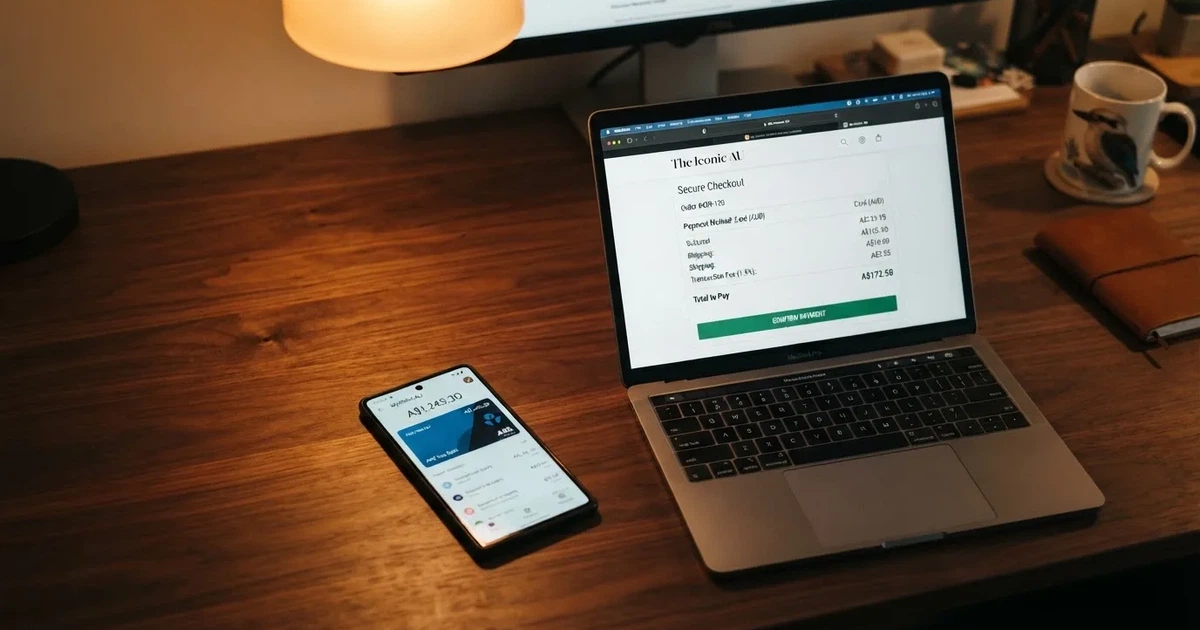
Data current as of 28 October 2026, checked against ACMA formal-warning publications and the regulator’s blocking-request register.
Table of Contents
- How Neteller actually works at an offshore casino
- The minimum deposit and what it costs in fees
- Why the whole product is prohibited
- What the ACMA has actually done in 2026
- Player protection and where it stops
- Australian bank blocks and what they catch
- The legal deposit rails, and why Neteller is not one of them
- What an Australian punter actually faces at an offshore Neteller casino
- Formal-warning landscape, side by side
- Formal-warning landscape, side by side (2)
- The eleven named brands in detail
- The fee math a Neteller transaction actually imposes
- Why the wallet is not the protection
- What changes if the 2026 amendment takes effect
- What an Australian punter actually has to work with
- The single most useful comparison
- What the blocking rate actually means for a brand on the list
- What the ACMA’s actions mean for the broader offshore market
- The honest reading
- Frequently asked questions
How Neteller actually works at an offshore casino
Neteller has been a payments name since 1999, originally out of Canada and now owned by Paysafe Group alongside Skrill and paysafecard. It runs as an e-wallet: a player loads money into the wallet, then pushes the balance to a merchant’s checkout. The casino never sees the card or the bank account, only a wallet-to-wallet transfer routed through Paysafe’s own infrastructure. For an Australian punter at an offshore casino, that indirection is the whole appeal — the bank statement shows a Paysafe merchant rather than a casino, and a domestic gambling block at card level does not necessarily catch it.

The mechanics stay much the same at every site. A player opens a Neteller account, verifies identity with Paysafe’s standard KYC, funds the wallet through one of the supported rails (card, bank transfer, another e-wallet), then selects Neteller at the casino cashier and types in the deposit amount. The casino credits the account in the currency it operates in, which is almost never Australian dollars, and the wallet converts on the way through. A withdrawal reverses the path: the casino pushes the balance back to the registered Neteller account, then the player moves it on to a card, a bank account or holds it in the wallet.
The legal frame around that flow is what makes the comparison short. The IGA 2001 prohibits the supply of online casino games to a person physically in Australia, and the prohibition is on the provider. The Neteller side of the transaction is regulated separately by AUSTRAC under the AML/CTF Act, which is why Paysafe holds the relevant registrations; AUSTRAC’s remit is the remittance provider, not the gambling product that sits behind it. A clean e-wallet transaction is not, by itself, evidence that the merchant is lawful.
The minimum deposit and what it costs in fees
The smallest deposit an offshore Neteller casino tends to accept is around A$10, with most operators sitting in the A$10 to A$20 band for the entry-level tier. The headline figure is the casino’s own; what reaches the wallet is lower once Neteller has taken its cut.
Neteller’s published fee schedule treats most funding methods the same way: deposits land with a 2.5% fee attached, regardless of whether the funding source is a card, a bank transfer or another Paysafe wallet. Two items are priced differently. Bank-transfer withdrawals cost 1.75% with a minimum fee of USD 3.50, which is what a player actually pays when they cash out from a casino balance. Currency conversion, which fires every time the casino settles in a non-wallet currency, costs an additional 4.49% on top — and offshore casinos almost never operate in Australian dollars.
A worked example makes the cost visible. Move A$100 into Neteller from a card at the published 2.5% deposit rate, and A$97.50 reaches the wallet. Send it on to a USD-denominated casino cashier, and the 4.49% conversion fee pulls another USD 4.37 out of the balance. The casino then asks for its own minimum deposit (commonly A$10 or A$20), which is comfortably under what is left. The reverse trip is more expensive: the casino credits the wallet in USD, Neteller converts back to AUD at the same 4.49%, and the bank-transfer withdrawal fee takes a further 1.75% on the way out.
There is also an inactivity cost. Neteller charges USD 5.00 a month on dormant balances, deducted from whatever is left in the wallet. For a casual punter who deposits, plays once and walks away, that fee can quietly eat the balance before a return visit. The lesson is mechanical: keep the wallet funded only when an active session is planned, and withdraw back to a bank account rather than parking the balance in the e-wallet.
Why the whole product is prohibited
Under the Interactive Gambling Act 2001 as amended in 2017, providing an online casino game — pokies, table games, live dealer rooms — to a person in Australia is an offence. The prohibition sits on the provider, not the player. No state or territory issues a licence for the product, which means every offshore casino offering pokies-style games to Australians is operating without an Australian licence, regardless of any Curaçao, Anjouan or Kahnawake number it shows at the bottom of its homepage.
The Interactive Gambling Amendment Act 2017 strengthened that frame, and the Interactive Gambling Amendment (Gambling Reform) Bill 2026 passed Parliament on 19 August 2026 with its advertising and inducement measures commencing on 1 January 2027. The 2026 amendment is law with a start date, not yet in force, so a 2026 page on the subject reflects the regime as it stands today: prohibited product, prohibited supply, advertising reforms taking effect at the turn of the year.
What is licensable is wagering on races and sport placed before the event, lotteries and keno. Sportsbet, Bet365 and Ladbrokes hold Northern Territory Racing and Wagering Commission (NTRWC) licences for tax reasons; the NTRWC has no full-time staff and meets once a month in Darwin, which is the regulator’s de facto posture. None of those brands offers online casino games.
The licensed deposit rails for the wagering product are debit card, bank transfer, PayID/Osko and BPAY. Credit cards and credit-related products have been banned as funding for licensed online wagering since 11 June 2024, with operator penalties of up to A$247,500. A site asking an Australian punter for a credit card or a crypto deposit is operating outside the Australian rules entirely.
What the ACMA has actually done in 2026
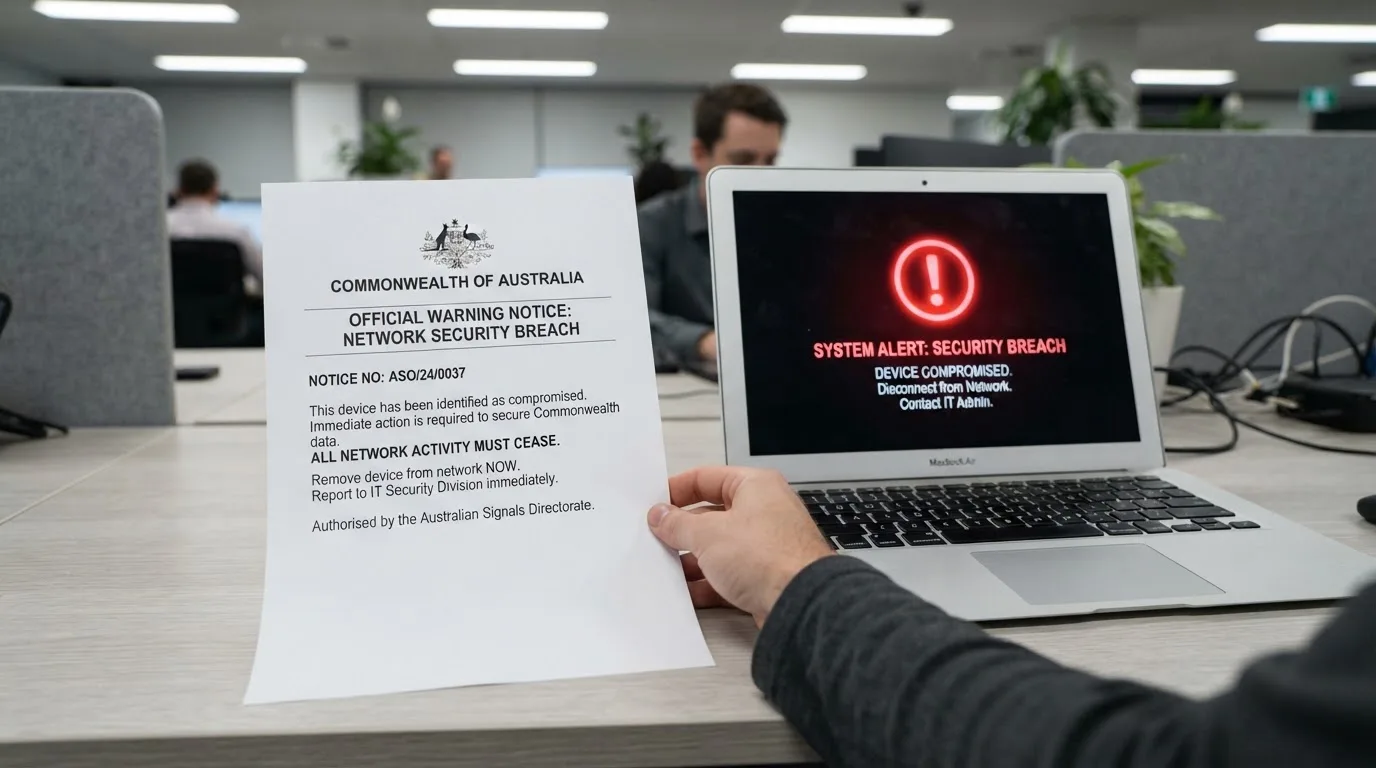
The Australian Communications and Media Authority investigates, issues formal warnings and directs internet service providers to block illegal sites. By the end of the round reported on 26 June 2026, the ACMA had asked ISPs to block 1,751 illegal gambling and affiliate marketing websites since the first blocking request in November 2019, and more than 230 unlicensed services had left the Australian market since enforcement was strengthened in 2017. The most recent round named 12 sites for blocking: 7Signs, ChromaBet, Donbet, Duospin, Freshbet, Slots Gem, Jacks Club, Lucky Start, Pointsbetz, Spinrise, Vinyl Casino and Wildsino.
The blocking rate is what makes the prohibition bite. Over roughly six and a half years of active enforcement, the running total has moved from zero in November 2019 to 1,751 by mid-2026. The arithmetic that interests a player is the spread: an average of around 22 sites blocked a month across the lifespan of the regime, but the cadence is not even. The first years were slower as the ACMA built the casework, and the recent rounds bundle 10 to 15 sites at a time. The blocking total is a headline figure; the cadence is the more useful one for predicting what happens to a brand that appears on this page. A formal warning is the step before a blocking request, and a brand that has been warned once is more likely than not to be in a future blocking list.
Formal warnings tell a similar story. Dama N.V. alone has been warned in May 2022 (over Bambet, Dazard, Level Up, Rocketplay, Wild Tornado and Cobra Casinos), in March 2025 (over Woo Casino) and again in May 2025 (over Spirit Casino). Bizzo Casino was warned as part of TechSolutions Group N.V. in 2022 and again under Consolutetish S.R.L. in July 2025. The pattern is the warning system working: the operator changes name, the ACMA tracks the underlying licence-holder, and a second warning is issued.
H2 Gambling Capital’s 2025 estimate puts annual Australian losses to illegal gambling sites at around A$3.9 billion, and finds that the share of gambling flowing through legal channels fell from 74% in 2021 to 64% — a ten-point drift toward the offshore market in four years.
Player protection and where it stops
BetStop, the National Self-Exclusion Register, has been live since August 2023. It binds every Australian-licensed online and phone wagering service, which is the legal bookmaker cohort. An offshore casino is not connected to it, so a punter who self-excludes through BetStop and then deposits at an offshore site is relying entirely on the offshore operator’s own exclusion tooling — assuming it has any. The National Gambling Helpline is 1800 858 858, free, 24/7, with chat available through Gambling Help Online. Those channels work regardless of where a punter plays, but the regulatory backstop does not extend to the offshore casino cashier.
The offshore product also gives an Australian punter no consumer protection if a withdrawal stalls. There is no Australian complaints body, no Australian dispute resolution, and no recourse if an operator simply refuses to pay. A site blocked at ISP level with a balance still on it is exactly the failure mode the regulator warns about.
Australian bank blocks and what they catch
The big four Australian banks run gambling blocks at card level. Westpac’s block refuses authorisation of transactions tagged under the merchant category code for Betting/Casino Gambling on eligible personal credit and debit cards. ANZ’s block, toggled in the app, covers both the physical card and any digital wallet — Apple Pay, Google Pay, Samsung Pay — attached to it, so the indirection of paying through a phone does not necessarily defeat the block. Removing the ANZ block requires a 48-hour waiting period once it is on, and the bank’s own fine print warns that not every gambling transaction will be caught and a small number of non-gambling transactions may be blocked in error.
The block works at the merchant-category-code level. The category code is set by the card-acquiring side of the transaction, which is the casino’s payment processor, not by Neteller. A casino whose payment processor is registered under a gambling MCC will trigger the block at the funding card. A casino whose processor is registered under a different MCC — or routed through Neteller as a wallet transfer rather than a card-present gambling transaction — can slip past, which is part of why the offshore market has not dried up despite the bank-level enforcement.
Apple Pay, Google Pay and Samsung Pay collectively accounted for around 45% of all card payments in Australia by number at the end of 2025, so the digital-wallet indirection is not a niche path. It is the default for a meaningful slice of the population, and ANZ’s decision to extend its gambling block into the wallet layer closes off a workaround that would otherwise be easy.
For a punter who has turned the bank block off to deposit at an offshore site, the consequence is on the wrong side of the protection: the block is the only friction that would otherwise have stopped the transaction, and removing it puts the punter back into a flow with no Australian backstop at all.
The legal deposit rails, and why Neteller is not one of them
The legal wagering operators in Australia — Sportsbet, Bet365, Ladbrokes and the rest of the NTRWC cohort — accept deposits through debit card, bank transfer, PayID/Osko and BPAY. Neteller is not on that list, because the licensed operators are bound by the credit-card ban and by their own payment policy. PayID/Osko is the rail that has reshaped Australian deposits: a bank-to-bank transfer that arrives in under a minute, 24/7, addressed to either a BSB and account number or a PayID. By April 2025 more than 25 million PayID identifiers had been registered on Australia’s New Payments Platform, and over 100 Australian financial institutions participate.
PayID’s safety property is that the account-holder name appears before the transfer is confirmed. Australian Payments Plus warns that being asked to transfer to a PayID on an illegal gambling site is almost certainly a scam. The PayID safety check is the kind of friction that the offshore casino checkout deliberately avoids by routing through a wallet.
The New Payments Platform itself went live on 13 February 2018 and is run by Australian Payments Plus, a non-profit whose shareholders include the Reserve Bank of Australia and the major banks. AP+ holds its participants to a monthly-outage ceiling of two minutes, which is the kind of reliability standard the offshore wallet rails do not match.
What an Australian punter actually faces at an offshore Neteller casino
The practical sequence at a site like the ones named below starts well enough: the cashier accepts Neteller, the deposit lands in seconds, the games load. The friction shows up at withdrawal, where the casino’s own manual checks gate the payout. A withdrawal request sits in the queue while the casino’s payments team verifies the playthrough requirements, the bonus terms and the identity documents it already has on file. Only after that internal clearance does Neteller receive the instruction to push the balance back to the wallet, and only then does the wallet’s own conversion and withdrawal-fee schedule apply.
A card withdrawal at the same operator goes through roughly the same internal checks, but the e-wallet indirection adds a layer that does not necessarily speed anything up. The Neteller path can be faster on the wallet-to-bank leg (instant to the wallet, then a bank-transfer withdrawal that takes one to three business days), but the total clearance time is dominated by the casino’s internal queue rather than the rail. A punter expecting Neteller to deliver a same-day payout because the wallet itself is instant is measuring the wrong leg of the journey.
There is also the matter of what the casino’s terms do to a withdrawal. A maximum-cashout cap on a bonus, a wagering requirement that has not cleared, a dormant-account clause that confiscates the balance after a set period — all of these are casino-side controls that fire before Neteller sees the money. The wallet is a payment rail; the rules sit on the merchant.
Formal-warning landscape, side by side
The table below sets out the eleven brands the ACMA has acted against, the date and operator named in each formal warning, and where research could confirm a Neteller support listing. Where research found no confirmation either way, the cell stays empty.
| Method | Fee |
|---|---|
| Deposit | 2.5% |
| Currency Conversion | 4.49% |
| Bank-transfer Withdrawal | 1.75% |
Typical Transaction Limits
| Transaction Type | Typical Limit |
|---|---|
| Minimum Deposit | A$10 – A$20 |
| Minimum Withdrawal | USD 3.50 (min fee) |
| Inactivity Fee | USD 5.00/month |
Formal-warning landscape, side by side (2)
The table below sets out the eleven brands the ACMA has acted against, the date and operator named in each formal warning, and where research could confirm a Neteller support listing. Where research found no confirmation either way, the cell stays empty.
| Brand | ACMA action and date | Operator named by the ACMA | Subject support |
|---|---|---|---|
| RocketPlay | March 2026 | Pulsup Ltd | — |
| Level Up Casino | May 2022 | Dama N.V. | Westpac listings only |
| Woo Casino | March 2025 | Dama N.V. | — |
| Spirit Casino | May 2025 | Dama N.V. | — |
| National Casino | July 2025 | Consolutetish S.R.L. | AUSTRAC and Wikipedia listings only |
| Bizzo Casino | July 2025; earlier 2022 | Consolutetish S.R.L.; earlier TechSolutions | — |
| Ignition Casino | July 2025 | Bamboo Media | — |
| Instant Casino | February 2025 | EOD Code SRL | EcoPayz and PayID listings only |
| Jackbit | April 2026 | Ryker B.V. | — |
| Casino Intense | April 2025 | Sterplay Holding Ltd | AUSTRAC, ITnews and NAB listings only |
| Sky Crown | September 2022 | Hollycorn N.V. | — |
The pattern the table exposes is that an ACMA action rarely comes alone. Dama N.V. shows up under four of the eleven brands; Consolutetish S.R.L. under two; the rest are single-brand operators. A punter who sees one of these brand names on an offshore affiliate list is not looking at an isolated incident — they are looking at an operator the regulator has already named, often more than once, and which is more likely than the average offshore site to be in a future blocking list.
The “Subject support” column is deliberately sparse. Where research could confirm a Neteller listing at the named source, that source is named; where no listing was confirmed either way, the cell is left blank rather than asserted. The page is a record of what the regulator has done, not an endorsement that any of the brands are a sound place to deposit.
The eleven named brands in detail
RocketPlay
The ACMA issued a formal warning to Pulsup Ltd over Rocketplay in March 2026, on top of an earlier warning to Dama N.V. in May 2022 that included Rocketplay among six brands. Two warnings from different operators in four years is the regulator’s signal that the brand has kept offering prohibited games through restructured corporate shells, and the ACMA has tracked each one. Neteller support could not be confirmed either way at the source level; the cashier is unknown.
For a punter evaluating RocketPlay specifically, the regulatory footprint is the main thing to weigh. A brand that has changed the operating entity twice in four years is not the brand the original affiliate marketing page described, and the ACMA’s willingness to warn a second operator under the same brand name is unusual. The brand is exactly the case where a name-only comparison misses the point.
Level Up Casino
Level Up Casino was one of the six brands named in the ACMA’s May 2022 warning to Dama N.V. (alongside Bambet, Dazard, Wild Tornado and Cobra Casinos), and no further ACMA action has been published against it since. The Westpac gambling-block documentation lists Level Up among merchants whose transactions the bank declines under the betting/casino MCC, which is consistent with the brand being live and accepting deposits from Australian cards.
That single fact — a bank-block entry — is the most informative thing on the page about Level Up. It means the brand is processing card transactions tagged with a gambling MCC from an Australian acquirer, which is precisely the trigger the ACMA’s prohibition is built around. The Westpac entry is a downstream signal, not an ACMA action; it sits alongside the formal warning rather than in place of it.
Woo Casino
Dama N.V. was warned by the ACMA over Woo Casino in March 2025, three years after the original 2022 warning over six other brands under the same operator. A second warning to the same licence-holder for a different brand is the ACMA’s pattern of treating the operator rather than the brand as the unit of enforcement, and it implies that Woo Casino was either added to the licence-holder’s portfolio after 2022 or that the operator took a calculated risk on a brand the ACMA had not yet named. Neteller support is not confirmed in research.
The relevant reader here is the punter who arrived at Woo Casino through an affiliate link in 2023 or 2024, after the 2022 warning to Dama N.V. was already public, and before the March 2025 warning put the brand itself on the list. That window is exactly the one the ACMA’s reform agenda targets.
Spirit Casino
Spirit Casino took a Dama N.V. formal warning in May 2025, two months after Woo Casino. Two consecutive warnings to the same operator in 2025 is a deliberate escalation, and the speed at which they arrived suggests the ACMA was working a list rather than responding to complaints one by one. Neteller support is not confirmed in research.
For a brand launched in 2024 or 2025, a formal warning in the same calendar year is the worst possible signal — the operator had no time to assume the brand was below the regulator’s radar. A punter choosing among recently launched Dama N.V. brands is choosing among brands the ACMA has already named, and the only meaningful comparison is which one has the more recent warning.
National Casino
The ACMA warned Consolutetish S.R.L. over National Casino in July 2025. AUSTRAC’s remittance-provider register and general Wikipedia listings carry the National Casino name in passing, but neither confirms Neteller support specifically. The brand sits in a quieter part of the ACMA’s 2025 warning cohort than Woo or Spirit, which may simply reflect the order in which the regulator worked through its casework rather than any difference in seriousness.
The punter question is the same as for every brand in this section: which one of the eleven is the most likely to be on the next blocking list. National Casino’s July 2025 warning is recent enough to be a live signal, and Consolutetish S.R.L.’s parallel warning over Bizzo in the same month is the operator-level signal that the ACMA treated the licence-holder, not the brand, as the unit of enforcement.
Bizzo Casino
Bizzo is the rare brand in this list that has been named twice. The ACMA warned TechSolutions (CY) Group Limited and TechSolutions Group N.V. in 2022, then warned Consolutetish S.R.L. over Bizzo in July 2025. Three years between the two warnings, and a different operator entity each time, is exactly the pattern that lets an offshore brand keep operating under the same name while the underlying corporate shell changes. A punter who checked the brand in 2023 would have seen a 2022 warning to TechSolutions and assumed the issue was settled; by 2025 the brand sits under a new operator with a fresh warning to its name.
The second warning is the one that should change behaviour. The first warning to TechSolutions could be read as the ACMA working through a backlog; the second to Consolutetish S.R.L. is the ACMA naming the brand for the second time, which is no longer a backlog exercise.
Ignition Casino
Bamboo Media was warned by the ACMA over Ignition Casino in July 2025. The July 2025 cohort included both Consolutetish S.R.L. and Bamboo Media, which is consistent with the ACMA publishing a batch of warnings at the same point in the year rather than responding to isolated complaints. Neteller support is not confirmed at the source level.
The interesting feature of Ignition Casino is its audience overlap with US-facing poker players, which is a market segment the ACMA does not regulate. A punter who treats the brand as a familiar name from the US market is treating a regulatory distinction that does not exist for the Australian side of the product — the same site, the same games, the same prohibition.
Instant Casino
EOD Code SRL took a formal warning over Instant Casino in February 2025, the earliest of the 2025 warnings in this set. The brand has visible EcoPayz and PayID listings in research, which is worth pausing on: the PayID listing is a rail Australian banks run, not an e-wallet the casino processes, and the appearance of a PayID in the cashier is exactly the kind of friction the offshore market tends to advertise without delivering. A PayID at an offshore casino is the account it tells you to send money to, not a PayID registered against a licensed Australian wagering account. The EcoPayz listing is closer to a real wallet-rail confirmation, but EcoPayz is not Neteller, so the column records what research found without claiming a Neteller link.
Jackbit
Ryker B.V. was warned by the ACMA over Jackbit and CasinOK in April 2026. Jackbit is one of the most recent brands in the table, and a 2026 warning to a 2026-dated operator is the ACMA working at the front of its casework rather than the back. Neteller support is not confirmed.
A punter looking at Jackbit in mid-2026 is looking at a brand the ACMA has named in the same calendar year, and the blocking-list probability for that brand is materially higher than for a brand named in 2022 with no follow-up.
Casino Intense
Sterplay Holding Ltd took a formal warning over Casino Intense in April 2025. AUSTRAC’s remittance-provider documentation, ITnews reporting and NAB’s gambling-block documentation all reference Casino Intense in passing. Neteller support is not confirmed at any of those sources specifically — the listings confirm the brand exists and is processed through Australian-facing payment rails, but the wallet support itself is unknown.
The NAB documentation is the more useful of the three downstream signals. It means NAB’s gambling-block tooling is rejecting transactions to Casino Intense at card level, which is consistent with the merchant acquiring the transactions under a gambling MCC.
Sky Crown
Hollycorn N.V. was the operator named in the ACMA’s formal warning over Sky Crown and Blue Leo, published as a PDF in September 2022. Sky Crown is the oldest brand in the table by warning date, and the absence of any later ACMA action against Hollycorn N.V. is not necessarily good news — it can mean the regulator has not yet returned to the operator, not that the brand has been cleared. Neteller support is not confirmed in research.
For a brand at the bottom of the table by date, the practical question is whether Hollycorn N.V. has continued to operate the same brand portfolio. Where the ACMA’s pattern with Dama N.V. and Consolutetish S.R.L. is multiple warnings over multiple brands, the absence of a follow-up Sky Crown warning is just the regulator’s queue order rather than a clean bill of health.
The fee math a Neteller transaction actually imposes
Neteller’s fee schedule is the cost layer that sits between the punter’s bank and the casino’s cashier. A deposit at 2.5% is the headline; the 4.49% currency-conversion fee is the larger item whenever the casino settles in a non-AUD currency; the USD 5.00 monthly inactivity fee is the slow drip that punishes casual play. Putting them together, a punter who deposits A$100, plays once, leaves the balance in the wallet and returns three months later has paid A$2.50 on the deposit, lost the currency-conversion edge if any settlement was non-AUD, and is about to lose another USD 5.00 to inactivity. The wallet is cheap to use actively and quietly expensive to use passively.
The bank-block math is a separate calculation that runs on the punter’s side. With the bank block on, the deposit fails at the funding-card leg regardless of whether Neteller is in the middle. With the block off and the wallet in the middle, the deposit reaches the casino. The block is the friction; the wallet is the bypass; the punter chooses which one applies.
Why the wallet is not the protection
A punter who treats Neteller as a privacy layer is treating it as something it is not. Neteller’s regulatory frame is the AML/CTF Act and AUSTRAC’s remittance-provider registration; it is not a consumer protection against the merchant on the other end of the rail. Paysafe keeps customer funds in segregated trust accounts as an FCA-authorised Electronic Money Institution, which protects the punter against Paysafe’s insolvency — not against the casino’s decision to refuse a withdrawal.
The e-wallet also does not anonymise the transaction. AUSTRAC’s threshold-transaction-report rule applies only to physical cash; electronic transfers are not subject to the per-transaction reporting requirement, but the underlying records (account-holder identity, transaction counterparties, amounts, timestamps) remain available to AUSTRAC under its reporting and information-gathering powers. The privacy gain from the wallet is at the level of the bank statement, not at the level of the regulator.
For a punter who wants both privacy from the bank and recourse from the regulator, the licensed wagering market is the only Australian option that delivers both — and licensed wagering does not offer online casino games.
What changes if the 2026 amendment takes effect
The Interactive Gambling Amendment (Gambling Reform) Bill 2026 passed Parliament on 19 August 2026, with the advertising and inducement measures commencing on 1 January 2027. A 2026 page reflects the regime as it stands today. The reform’s principal change for the offshore Neteller market is on the inducement side: affiliate marketing, bonus advertising and the like will be regulated more tightly once the commencement date arrives. The prohibition itself is unchanged; the reform tightens the marketing that surrounds the prohibited product.
The punter-facing consequence is that the affiliate pages currently driving traffic to the offshore brands will have a different set of rules to follow from January 2027 onward. The ACMA’s blocking-rate cadence and the formal-warning system are the pre-existing mechanisms; the reform is the layer above them. For a brand already on a formal-warning list, the reform is incremental rather than transformative.
What an Australian punter actually has to work with
The legal market in Australia is wagering on sport and racing, lotteries and keno, plus the land-based casino and club-pokies product. Neteller is not on the deposit-rail list for any of those, because the licensed operators are bound by the credit-card ban and their own payment policy. PayID/Osko, debit card, bank transfer and BPAY are the rails a licensed operator will accept, and the credit-card ban applies equally to a credit-funded digital wallet.
For a punter who specifically wants to play pokies-style games online with a Neteller deposit, the only options are offshore, and every offshore option is operating outside the Australian licence frame. The choice is not between a safe offshore casino and a risky one; the choice is between the prohibited product and the legal product, which is a different category of offer.
The single most useful comparison
If a punter filters the eleven brands in the table above by recency of ACMA action, the top of the list is Jackbit (April 2026), RocketPlay (March 2026), Casino Intense (April 2025), Woo Casino (March 2025), Spirit Casino (May 2025), National Casino and Ignition Casino (both July 2025), Instant Casino (February 2025), Level Up Casino (May 2022), Sky Crown (September 2022) and Bizzo Casino (July 2025 over a 2022 warning). Recency is the closest proxy for blocking-list probability, because the ACMA’s pattern is to escalate from formal warning to blocking request rather than to drop the matter.
The brands that appear twice in the ACMA’s records — RocketPlay under two operators, Bizzo Casino under two operators, Woo/Spirit/Level Up under the same Dama N.V., National/Bizzo under the same Consolutetish S.R.L. — are the brands with the most documented regulator contact. A punter who treats that signal as anything other than a negative is reading the table upside down.
What the blocking rate actually means for a brand on the list
The ACMA’s blocking rate averaged across the lifespan of the regime is the headline figure; the cadence within a given quarter is what predicts the next blocking list. A brand on the formal-warning list today is, by the ACMA’s own sequencing, a candidate for the next blocking request. The 12-site blocking rounds are the ACMA bundling its casework into publishable events, not the regulator choosing to act at random. A punter who assumes a formal warning is the end of the regulator’s interest is reading a one-step enforcement ladder as the whole ladder.
The blocking rate also has a tail effect for any punter who still holds a balance at a brand that gets blocked. A blocked site is one a domestic ISP cannot reach, which means the punter cannot log in to withdraw. The casino’s obligation to refund is governed by the terms the punter agreed to at signup, and the offshore operator’s terms typically leave the casino with discretion to forfeit balances on accounts the regulator has flagged. The punter’s protection at that point is whatever the operator’s own terms say, and there is no Australian complaints body to enforce them.
What the ACMA’s actions mean for the broader offshore market
The H2 Gambling Capital 2025 figure — A$3.9 billion in annual losses to illegal gambling sites, with the legal share falling from 74% in 2021 to 64% — is the market context. The ACMA’s enforcement regime is operating against a market that is growing faster than the legal channel, which is the uncomfortable truth behind the 1,751 blocked sites. The blocking rate is high in absolute terms and modest in market-share terms, because the offshore market replenishes faster than the ACMA can name individual sites.
For a Neteller-accepting operator that has not yet been named in a formal warning, the regulatory exposure is the same as for the eleven brands above. The warning system is the ACMA’s prior step to a blocking request, not an alternative to one, and the operator set the ACMA has named is a sample of the market rather than the whole of it.
The honest reading
Neteller works as an e-wallet. The casino cashier accepts it. The deposit clears, the withdrawal queues, the conversion fees and the inactivity fees apply. None of that is in dispute.
The dispute is upstream. The product the casino sells is prohibited in Australia, the operator is unlicensed in Australia, the regulator has formally warned the operator in most cases, and the bank-block at card level is the only Australian friction that consistently catches the transaction. A punter who has disabled the bank block to fund the wallet is the only party in the transaction who has removed their own protection; the e-wallet, the regulator and the bank are all still operating on their published rules.
For a punter who wants online casino games and has accepted that the product is prohibited, the comparison that matters is between the eleven named brands and the rest of the offshore market — and the ACMA’s enforcement record is the only Australian signal that operates at scale. The wallet is the rail. The prohibition is the gate.
Frequently asked questions
Is it legal for an online casino to accept Neteller from a player in Australia?
No. The Interactive Gambling Act 2001 prohibits the supply of online casino games to a person in Australia, and the prohibition sits on the provider. Neteller’s own role is regulated separately by AUSTRAC under the AML/CTF Act, which is why Paysafe holds the relevant registrations; the wallet itself is lawful, but the merchant accepting the deposit is offering a prohibited product. The individual player is not prosecuted, but an offshore casino gives no Australian consumer protection, no complaints body and no recourse if a withdrawal is refused.
What is the smallest deposit a Neteller casino site usually asks for?
The smallest deposit most offshore Neteller casinos accept is in the A$10 to A$20 band. The headline figure is the casino’s own; what reaches the wallet is lower once Neteller’s 2.5% deposit fee and the 4.49% currency-conversion fee (when the casino settles in a non-AUD currency) are applied. A$100 in from a card becomes A$97.50 in the wallet, and a further USD 4.37 leaves when the balance is sent to a USD-denominated cashier.
Does a Neteller withdrawal clear any faster than a card withdrawal at these sites?
Not meaningfully. The casino’s internal payments queue dominates the clearance time, and the queue applies to both rails. The Neteller leg from wallet to bank then takes one to three business days on top, with a 1.75% fee (minimum USD 3.50) attached. The wallet-to-wallet hop is fast; the queue ahead of it is the bottleneck, and the queue is the same on a card withdrawal.
Can Neteller be used at every offshore pokies-style site, or only some of them?
Most offshore pokies-style sites list Neteller at the cashier, but support is not universal. Some operators route deposits only through cards and crypto, and others list Neteller for deposit but not for withdrawal. The only reliable check is the site’s own payments page at the moment of deposit. The ACMA’s formal-warning list is not organised by payment method, so a warning over a brand does not itself tell a punter whether Neteller is one of the supported rails.
Does depositing with Neteller add an extra fee at these casino sites?
Neteller’s own fees apply regardless of the merchant: 2.5% on most deposit methods, 4.49% on currency conversion when the casino settles in a non-wallet currency, and USD 5.00 a month on dormant balances. The casino may add its own fee on top, which is published in the cashier. The two fee layers together are why a Neteller deposit is rarely the cheapest rail at an offshore operator.
What should a player do if a Neteller deposit does not appear in a casino account?
The first move is the casino’s own support, because the casino is the merchant of record and only its cashier can confirm whether the deposit was credited on its side. If the casino confirms the deposit but the wallet shows the deduction, the next step is Neteller’s own dispute process, which sits inside the Paysafe Group customer-service frame. Neither channel has Australian regulatory backing, which is the underlying reason the offshore product is risky at the withdrawal stage as well as the deposit stage.