
Fast-Payout Casino Sites in Australia: What an Australian Reader Can and Cannot Use in 2026
“Best instant withdrawal casinos Australia 2026” is the kind of phrase that promises a clean answer. There isn’t one. Offering online casino games to anyone in Australia is an offence under the Interactive Gambling Act 2001, no state or territory licences it, and every site on the shortlist below has been the subject of a formal warning from the Australian Communications and Media Authority. What follows is the honest version of that shortlist: what each brand claims, what the ACMA has actually done about it, and where an Australian reader who genuinely wants fast settlement of gambling funds has lawful routes to look instead.
Current as of 28 October 2026 and cross-checked against ACMA formal-warning publications and the ACMA blocking-round register.
Table of Contents
- Crypto, Bitcoin and the Promise of an Unverified Payout
- How Money Actually Moves at an Instant Withdrawal Casino
- The Shortlist, Reviewed Without Ranking Them
- What an Australian Reader Is Actually Looking At
- How the Prohibition Works in Practice
- Safeguards for the Reader Who Decides to Keep Reading
- The Eleven Brands, One by One
- The 2026 Reform and What Is Coming on 1 January 2027
- Where This Leaves an Australian Reader
- Frequently Asked Questions
Crypto, Bitcoin and the Promise of an Unverified Payout
Why Crypto Gets Pulled Into This Conversation First
The phrase “instant withdrawal casino no verification” exists because crypto and identity checks are talked about in the same breath. The pitch is that a Bitcoin or stablecoin transfer settles without the player uploading a driver’s licence and a recent utility bill, and that the on-chain confirmation replaces the paperwork the bank would otherwise demand. That pitch is real at the technical layer: a confirmed Bitcoin transaction does not require a casino to know who sent it. The reality for someone sitting in Australia is layered on top of that, and the layers are what decide whether the pitch works for them.

What “No Verification” Actually Means at a Crypto Casino
“No verification” in the marketing sense covers two different situations, and the difference matters. The first is a casino that performs its own identity checks but accepts a crypto deposit, which means the player has been verified but the deposit route is not a bank. The second is a casino that genuinely does not verify, accepting a wallet-to-wallet transfer with no name attached. Both are advertised the same way, and the second is rarer than the marketing implies because the larger operators run KYC regardless of the deposit method. Where verification is skipped, it usually means the operator has decided the regulatory cost of compliance is higher than the cost of losing a few percentage points of fraud. For an Australian reader, that calculation sits on top of the Australian one: this is still an offshore operator offering a prohibited service to someone in Australia.
The Australian Layer on Top of Crypto Deposits
Since 11 June 2024, licensed Australian online wagering services cannot accept payment by credit card, credit-related products or digital currency, and the prohibition extends to crypto-rail deposits routed through a licensed bookmaker. That rule binds only the licensed side of the market, but it tells you where the Australian policy is pointed. An offshore casino that asks for a Bitcoin deposit is not breaking that rule; it is not subject to it at all, because it has no Australian licence to lose. What it is doing is operating in a gap the Australian regime leaves open, and gaps tend to close. The ACMA’s enforcement pattern — over 1,751 websites blocked since November 2019, with formal warnings being a frequent precursor to a blocking request — is the most reliable thing to bet on in this market.
What Crypto Adds to a Withdrawal That a Bank Transfer Cannot
Crypto does one thing that no Australian retail bank transfer can match, even with Osko: the on-chain settlement is final the moment it confirms, and the receiving party does not need an Australian bank account to receive it. For someone whose bank has a gambling block turned on at card level — Westpac refuses authorisation on transactions under the merchant category code “Betting/Casino Gambling” on eligible personal credit and debit cards — a crypto withdrawal reaches an address the bank never sees. That is the use case the marketing is built around, and it is the reason the phrase keeps showing up in searches. It is also the reason the use case is one a reader needs to think carefully about, because the same property that lets the money arrive is the property that lets the operator disappear.
See also Best paying online pokies australia 2026.
How Money Actually Moves at an Instant Withdrawal Casino
What “Instant” Means at the Casino End
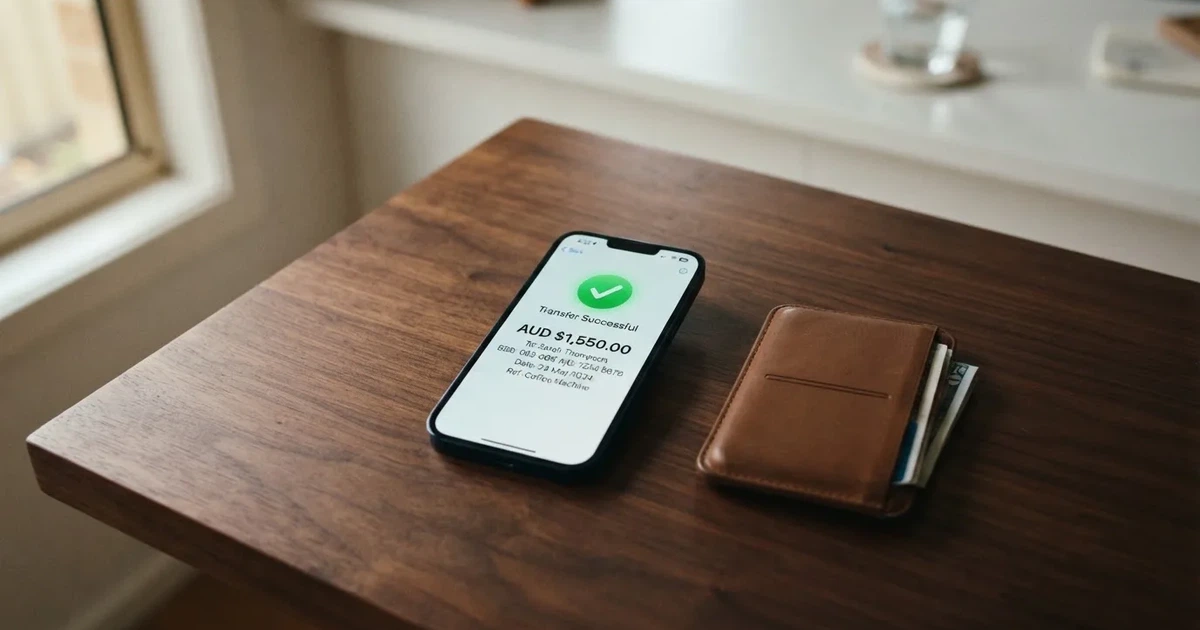
The phrase splits into two moments that get conflated. The first is the payout, which is the operator’s internal action of releasing the funds and pushing them into the payment rail. The second is the settlement, which is the rail confirming the funds are in the player’s account. “Instant withdrawal” almost always means the first is fast, not necessarily the second. An operator that processes payouts within minutes still sends the funds through a payment rail whose own settlement window is whatever the rail allows. For Australian bank transfers through Osko, that window is under a minute, 24/7 including weekends, when addressed to either a BSB and account number or a PayID, which is the practical floor for any Australian-bound transfer in 2026. For a card refund, it is whatever the card network decides, and that is where the marketing word does most of its work.
The Australian Payment Rails and What Each One Buys the Reader
Australia’s New Payments Platform went live on 13 February 2018 and is the rail that carries Osko and PayID. By April 2025, more than 25 million PayID identifiers were registered, and PayID-based instant transfers are available at over 100 Australian financial institutions, which is why so many comparison pages can claim “instant” with a straight face for AUD payouts. The platform is required to keep its monthly outages to no more than two minutes and is owned by New Payments Platform Australia Ltd, whose 13 shareholders include the Reserve Bank of Australia and the country’s major banks; in 2021 the ACCC authorised the merger of NPP Australia with BPAY and eftpos into Australian Payments Plus (AP+), the single operator now running all three.
BPAY is the older rail, launched on 18 November 1997 and available in the online banking of over 140 banks and financial institutions. It is a bill-payment service — the payer enters the Biller Code and the Customer Reference Number printed on the bill — and it is owned equally by ANZ, Commonwealth Bank, National Australia Bank and Westpac. For a casino withdrawal, BPAY is useful for settling into a bank account through a bill-payment channel but it is not the same as an Osko-to-PayID transfer in speed. Different job; different latency.
What the Banks Themselves Do to Gambling Money
The banks are not passive pipes. Westpac’s gambling block refuses authorisation on the merchant category code “Betting/Casino Gambling” at the card level. ANZ’s gambling transaction block, activated in the ANZ app, also blocks gambling transactions made through a digital wallet such as Apple Pay on an eligible card, not just the physical card — meaning a wallet-fronted deposit can be blocked even when the physical card would have been. Commonwealth Bank’s gambling lock, applied via the CommBank app, blocks most gambling transactions automatically, though the bank itself states it cannot guarantee every gambling-related purchase will be stopped. By the end of 2025, Apple Pay, Google Pay and Samsung Pay together accounted for around 45% of all card payments in Australia by number, and the Australian-licensed credit-card ban from the IGA also constrains gambling use of linked digital wallets — so a wallet is not a reliable bypass for a bank that has decided to block.
Apple does not charge consumers for using Apple Pay in stores, online or in apps, and any surcharge comes from the merchant’s own card-processing fees, not from Apple itself. Apple also states that transaction limits and PIN requirements for Apple Pay are set by the card issuer or merchant, not by Apple. The Reserve Bank of Australia’s July 2025 review proposes removing surcharges on eftpos, Mastercard and Visa transactions only, leaving American Express outside the scope of the proposed ban — useful context for a reader comparing card-side fees, but not relevant to the speed of a payout.
ANZ’s block has a 48-hour cooling-off period when the customer wants to remove it, and the bank warns that not all gambling transactions will be blocked and that some non-gambling transactions might be blocked in error. That second warning is the more interesting one for a reader reading this page, because it tells you what kind of false-positive rate a serious gambling block carries, and what a reader who turns one on should expect on a non-gambling purchase that happens to share a merchant code.
What Happens When a Player Hits “Withdraw”
A player who has won and clicks withdraw triggers three things in sequence, each of which can stall the second. The operator’s internal fraud and bonus-abuse check runs first, then the payout to the payment rail, then the rail’s settlement. The first is where “instant” lives or dies, and the reason a casino page says “instant” while a player waits four days is that the page is measuring the second stage, not the first. The third stage is fixed for Australian-bound transfers through Osko: under a minute.
AUSTRAC, Reporting Thresholds and What Triggers One
AUSTRAC’s threshold-transaction-report rule requires reporting of transfers of A$10,000 or more, and it applies only to physical cash, not to ordinary electronic bank transfers, regardless of the amount. For a casino withdrawal settled into an Australian bank account, the rule that does apply is AUSTRAC’s general reporting regime rather than the threshold rule, and a large single transfer will be visible to the bank on the other side regardless. For a crypto withdrawal, the rule set is different again: the on-chain record is public, the operator’s records are private, and the Australian bank’s record is whatever the player hands them when converting back. That asymmetry is the other reason crypto gets pulled into this conversation first.
The Shortlist, Reviewed Without Ranking Them
Eleven brands sit on this list, and the only reason any of them is on it is that the ACMA has issued a formal warning to the operator behind at least one of them for offering prohibited interactive gambling services to Australians. The table below is not a leaderboard. It is a record of what the ACMA has done, who the ACMA named, and what other sources say about each brand. The “Subject support” column names the listings the brand appears in for the kind of service this page is about — fast-payout AUD or crypto rails — without endorsing the listing or treating it as the operator’s own statement. A dash in that column means no such listing was found in the consulted material, which is itself information: a brand that does not appear on the few Australian-facing directories that track payout speed is a brand that the consulted material cannot confirm pays out fast or slowly.
Settlement and Enforcement Across the ACMA-Warned Set
| Brand | ACMA action and date | Operator named by the ACMA | Subject support |
|---|---|---|---|
| RocketPlay | Formal warning, March 2026; earlier warning May 2022 | Pulsup Ltd; earlier Dama N.V. | Listings (Gambling Insider) |
| Level Up Casino | Formal warning, May 2022 | Dama N.V. | Listings (Westpac gambling block page) |
| Woo Casino | Formal warning, March 2025 | Dama N.V. | — |
| Spirit Casino | Formal warning, May 2025 | Dama N.V. | — |
| National Casino | Formal warning, July 2025 | Consolutetish S.R.L. | Listings (ACMA, AUSTRAC, BetStop) |
| Bizzo Casino | Formal warning, July 2025; earlier 2022 | Consolutetish S.R.L.; earlier TechSolutions | Listings (Gambling Insider) |
| Ignition Casino | Formal warning, July 2025 | Bamboo Media | — |
| Instant Casino | Formal warning, February 2025 | EOD Code SRL | Listings (ecoPayz, PayID) |
| Jackbit | Formal warning, April 2026 | Ryker B.V. | — |
| Casino Intense | Formal warning, April 2025 | Sterplay Holding Ltd | Listings (AUSTRAC, BetStop, Gambling Insider) |
| Sky Crown | Formal warning, September 2022 | Hollycorn N.V. | — |
The ACMA’s pattern across these eleven is striking. Dama N.V. alone accounts for three of the warnings (Level Up in 2022, Woo in March 2025, Spirit in May 2025), and Consolutetish S.R.L. accounts for two of the most recent (National and Bizzo in July 2025). A reader who looks at this table and notices that several of the “different brands” are owned by the same handful of companies is reading it correctly: the ACMA is naming the operator behind the brand, and the operator is the unit it acts on. A blocking request that lands on one Dama brand tends to surface in the listings for the others. RocketPlay’s history is the cleanest example: warned over once in May 2022 (Dama N.V.), warned over again in March 2026 (Pulsup Ltd) under what looks like a re-organisation of the same service under a new corporate wrapper.
Three of the eleven are listed in payment-rail directories (ecoPayz and PayID for Instant Casino, plus ACMA and AUSTRAC and BetStop listings for National Casino, plus Westpac’s gambling block page for Level Up Casino). That tells you something about the rails those brands have been seen on, not about whether those rails are still working for them — a brand named in a 2022 warning has had time to change its deposit and withdrawal methods. A dash in the right-hand column is not a green light and not a red one; it is the absence of a consulted listing, and a reader who cares about a specific rail should ask the brand’s own support whether the rail is live before relying on it.
The numbers in the title slot — “fast-payout online casino” or “instant withdrawal casino” — get harder to defend the longer you look at the ACMA’s record. A brand with three years of formal warnings behind it is not in a position to guarantee anything to an Australian customer, because the next round of enforcement is the one that puts the brand’s domain on the ISPs’ block list and turns whatever balance the player has on the site into a frozen ledger entry.
What “Worth It” Means Here, and for Whom
For a reader who already understands the legal position and is making a choice between the brands on the table: the brand with the longest unbroken ACMA file is the brand most at risk of being blocked next, and a blocked brand takes its AUD balance with it. The brand with the most recent warning has just been put on notice and is the brand least likely to be on the next blocking list, if only because the ACMA tends to escalate rather than re-warn. Both are bad bets, and that is the comparison the table actually makes. There is no row in the table where a reader can read across the columns and find a safe brand, because the table is built from ACMA action and there is no safe row in that data. The choice the table leaves is the choice an Australian reader should not have to make at all, and the next section is about the choice that does exist.
What an Australian Reader Is Actually Looking At
The Lay of the Land Before Any Specific Site
Three things hold for every online casino brand marketed to an Australian reader in 2026, and they hold before any review or comparison or bonus figure enters the picture. First, the Interactive Gambling Act 2001, strengthened by the Interactive Gambling Amendment Act 2017, makes it an offence to provide online casino games, online pokies or in-play betting to a person physically in Australia, and no state or territory issues a licence for any of it. Second, the ACMA enforces by formal warning first and by directing Australian ISPs to block the offending site second, and the rate at which that happens has been steady since the first blocking request in November 2019. Third, the individual player is not prosecuted under the IGA — the law targets the provider, not the customer — which is part of the reason offshore brands keep marketing in Australia without an obvious fear of the Australian customer base.
What Is Lawfully Available to an Australian Punter
What can be licensed in Australia is wagering on races and sporting events placed before the event, lotteries and keno. In practice, online bookmakers are licensed by the Northern Territory Racing and Wagering Commission (NTRWC), which regulates 52 of Australia’s online bookmakers — including Sportsbet, Bet365 and Ladbrokes — for tax reasons, even though the commission has no full-time staff and meets once a month in Darwin. The NTRWC’s regulator role is for wagering, not casino games, which is the gap the offshore brands sit in.
A land-based casino in a state or territory is licensed at the state level and offers table games and pokies on the premises. Online, the licensed alternatives for someone who wants to spin reels on a phone in Australia are narrow: lotteries and keno online through state-run channels, and licensed wagering on sports and racing through NTRWC-licensed bookmakers. None of these is an “instant withdrawal online casino” in the sense that term uses, and that is the honest answer to the question the reader is asking.
What the ACMA Has Actually Done Since Enforcement Tightened
According to the ACMA as reported in June 2026, a total of 1,751 illegal gambling and affiliate marketing websites had been blocked since the first blocking request in November 2019, and more than 230 unlicensed gambling services had left the Australian market since enforcement was strengthened in 2017. In a single round reported on 26 June 2026 the ACMA asked Australian ISPs to block a further 12 sites — 7Signs, ChromaBet, Donbet, Duospin, Freshbet, Slots Gem, Jacks Club, Lucky Start, Pointsbetz, Spinrise, Vinyl Casino and Wildsino — bringing the running total to the figure above. The blocking list is the ACMA’s most reliable weapon, and the rate at which it grows is the single best measure of how the prohibition is being applied.
The H2 Gambling Capital 2025 report estimates Australians lose about A$3.9 billion a year to illegal gambling sites, and that the share of gambling going through legal channels fell from 74% in 2021 to 64%. The first figure is the size of the offshore market the ACMA is policing. The second is the harder one to argue with: a fall of ten percentage points in four years means the legal market is shrinking while the illegal one is growing, despite the blocking list. That is the gap this page sits in.
Fast-Payout Casino Sites in Australia — More on this topic at casino safety.
How the Prohibition Works in Practice
The Interactive Gambling Act, in the Form It Takes This Year
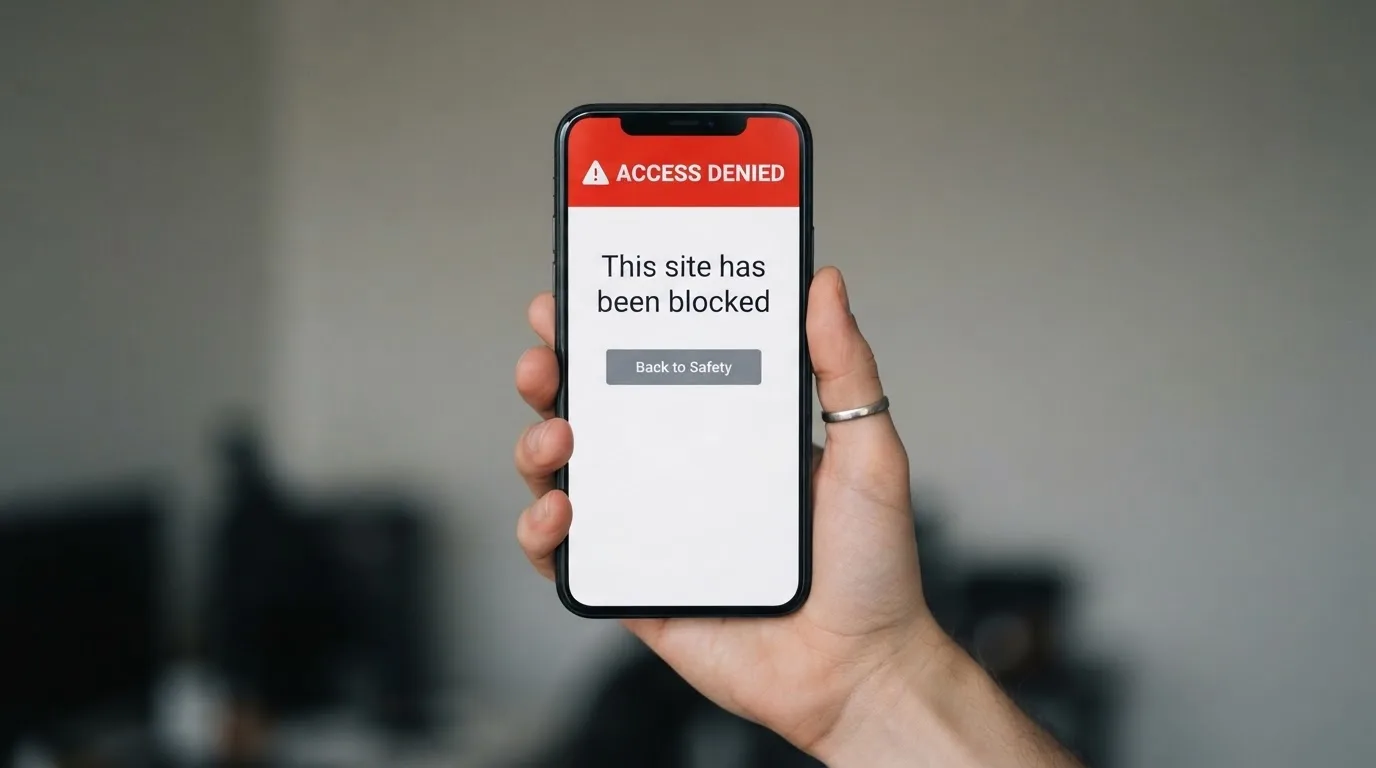
The IGA makes the offering of a “prohibited interactive gambling service” — which covers online casino games, online pokies and in-play betting — to a person in Australia an offence. What is not prohibited is wagering on a sporting event or a race placed before the event starts, lotteries, and keno. The Interactive Gambling Amendment Act 2017 strengthened the regime and gave the ACMA the power to direct ISPs to block offending sites, which is the power the running total of 1,751 blocked sites tracks. The 2023 amendments extended the credit-card ban to all credit-related products and brought crypto into the licensed-side definition; in 2026 the Interactive Gambling Amendment (Gambling Reform) Bill 2026 passed Parliament on 19 August 2026, with its advertising and inducement measures commencing on 1 January 2027. The 2026 law is on the page; the 2027 start is a date the law has not yet reached.
The Operator-Level Liability vs the Player-Level One
The IGA targets the provider, not the individual player. An Australian reader who opens an account at an offshore casino, deposits AUD or crypto, plays and withdraws is not personally at risk of prosecution under the IGA. The brand is, and that is where the cost falls. The reader’s exposure is consumer-side: an offshore operator gives no Australian consumer protection, no complaints body, no recourse if a withdrawal is refused, and the site can be blocked with a balance still on it. The brand may itself be subject to enforcement in the jurisdiction where it is licensed, and the brand may also have its accounts frozen by the Australian banks on the AML side, but neither of those is a recourse the reader has direct standing to invoke.
What the ACMA’s Enforcement Record Looks Like Up Close
The ACMA’s enforcement pattern runs in three steps, and the steps are worth knowing because a reader who knows what step a brand is on can read the table differently. Step one is an investigation, often triggered by a complaint or the brand’s own visibility on Australian-facing marketing. Step two is a formal warning naming the operator behind the brand and the section of the IGA the operator is alleged to have breached. Step three is a blocking request, where the ACMA directs major Australian ISPs to block the brand’s domain. The running total of 1,751 blocked sites is the count of step-three actions since November 2019; the eleven brands in the table above are the brands in step two at various points over the last four years. A reader looking at the table can read across a brand’s row and see which step it is currently on, and whether the steps have happened once or twice for the same brand under different corporate wrappers.
The Northern Territory Quirk and What It Tells the Reader
The Northern Territory licenses 52 of Australia’s online bookmakers, including the household names, and the commission that does the licensing meets once a month in Darwin with no full-time staff. The structure exists because the NT charges a point-of-consumption tax that the larger states do not, and the corporate domicile has followed the tax. The reader looking at a bookmaker licence in Australia and assuming it is the equivalent of a casino licence is reading a different product: wagering on a race or a sporting event before the event starts is licensed; spinning a reel on a smartphone is not. The two are not interchangeable, and a brand carrying an NTRWC-licensed bookmaker licence is not, by that fact, authorised to offer online casino games to Australians.
Payments the Lawful Side Can Use
Since 11 June 2024, licensed Australian online wagering services cannot accept payment by credit card, by other credit-related products, or by digital currency. The penalty for an operator that breaches this is up to A$247,500. Legal deposit routes for licensed wagering are debit card, bank transfer, PayID/Osko and BPAY. A reader who sees a site asking for a credit card or a crypto deposit from an Australian account is looking at a site that is not on the licensed side of the line, regardless of what the brand says about its Curaçao or Anjouan licence. The licensed-side rule is the easier one to verify, and it tells the reader where the brand sits before any bonus calculation enters the picture.
Tax, Briefly
Gambling winnings of a recreational player are not assessable income under section 6-5 of the ITAA 1997, and losses are not deductible. The exception is the player who carries on a business of gambling — the professional punter — and the model to apply is “check with the ATO”, because the test is case-by-case. For an Australian reader on this page, the tax answer is short: the house edge is the cost; the ATO does not share it.
Safeguards for the Reader Who Decides to Keep Reading
BetStop and What Self-Exclusion Actually Covers
BetStop — the National Self-Exclusion Register — went live in August 2023 and binds Australian-licensed online and phone wagering services to honour a registered exclusion. The offshore brand on the table above is not bound by BetStop, because BetStop binds the licensed side of the market. A reader who registers with BetStop blocks themselves from Sportsbet, Bet365 and Ladbrokes; they do not block themselves from RocketPlay, Level Up or any of the other eleven brands above. The mechanism is the right one for the problem it was built to solve, and the problem it was not built to solve is the one this page is about.
The National Gambling Helpline and Where to Get Help
The National Gambling Helpline is 1800 858 858, free and 24/7, with chat available through Gambling Help Online. The helpline is the right first call for a reader who is reading this page because they or someone they know is having trouble with gambling, and the helpline does not require the reader to have decided to stop. The same is true of the chat at Gambling Help Online. The number is worth keeping next to this page, because it is the resource that costs the reader nothing to use.
What an Australian Reader Can Do at the Bank Side
ANZ, Commonwealth Bank and Westpac all offer gambling blocks in their apps, and the blocks work at the card-and-wallet level rather than the merchant level: Westpac refuses authorisation on the merchant category code “Betting/Casino Gambling” on eligible personal credit and debit cards; ANZ’s block covers Apple Pay on an eligible card as well as the card itself; CBA’s lock blocks most gambling transactions automatically though the bank itself says it cannot guarantee every gambling-related purchase will be stopped. For a reader who wants the bank to be a backstop, the block is a useful one to turn on, with the 48-hour cooling-off period at ANZ and the same kind of friction at the others acting as a deliberate brake on impulse removal. The blocks do not solve the offshore problem, but they do shrink the surface area of it.
Why “Set a Limit” Is the Hardest Sentence to Write
A responsible-gaming page that ends on “set a limit” is ending on a slogan rather than on advice. The honest version of the limit advice for an Australian reader is: a limit set on a licensed Australian wagering account is enforced by the operator and visible to BetStop if it goes wrong; a limit set on an offshore casino is set on software the reader does not control and the operator can change. The two limits look the same in a UI and behave nothing like each other.
The Eleven Brands, One by One
Each brand below has been the subject of at least one ACMA formal warning for offering prohibited interactive gambling services to Australians. The card is the ACMA’s own record and the operator the ACMA named; the verdict at the end is the read of that record against what an Australian reader needs.
RocketPlay — Repeatedly Warned, Recently Rebranded
The ACMA issued a formal warning to Dama N.V. over six brands in May 2022, including RocketPlay, and a further formal warning to Pulsup Ltd specifically over RocketPlay in March 2026. Two warnings on one brand four years apart, under what looks like a corporate reorganisation, is the longest ACMA file on the table. The brand has listings in industry coverage of payout-friendly operators but the consulted material does not confirm which rails it currently runs. For an Australian reader, the read is simple: a brand the ACMA has warned twice is a brand the ACMA is most likely to block next, and a blocked brand cannot pay out at all.
Level Up Casino — Warned in 2022, Part of the Same Dama File
Level Up was named in the same May 2022 Dama N.V. warning as RocketPlay. It appears on Westpac’s gambling-block page in the consulted material, which tells you the brand has been seen on card rails that Westpac’s gambling block now declines. The 2022 warning is four years old in 2026, and the ACMA’s pattern is to escalate rather than re-warn — so Level Up is more likely to be on a future blocking list than to be re-warned. The same read as RocketPlay applies, with the difference that the ACMA file is shorter.
Woo Casino — Warned March 2025
The ACMA issued a formal warning to Dama N.V. over Woo Casino in March 2025. No further consulted material about the brand’s payment rails. The brand sits in the middle of the table — recent enough to be live, old enough that the next ACMA action is most likely a blocking request rather than a second warning. A reader who lands here is looking at a brand one enforcement step away from being offline.
Spirit Casino — Warned May 2025
The ACMA’s formal warning to Dama N.V. over Spirit Casino in May 2025 is the most recent Dama N.V. warning in the consulted material, and it sits in the same enforcement file as Woo Casino. No consulted listings on payment rails. The pattern is the same as Woo Casino, two months later: a brand on notice, with the next step more likely to be a block than a re-warning.
National Casino — Warned in July 2025, with Multiple Listings
The ACMA issued a formal warning to Consolutetish S.R.L. over National Casino in July 2025. The brand appears on listings at the ACMA itself, at AUSTRAC and at BetStop — three sources that, between them, confirm the brand has been the subject of regulatory attention across the consumer-protection, AML and self-exclusion registers. The breadth of the listings is unusual and tells you the brand has been on the Australian-facing side of the market long enough to be visible across all three.
Bizzo Casino — Warned Twice, with the Oldest ACMA File on the Table
The ACMA’s July 2025 warning to Consolutetish S.R.L. over Bizzo Casino is the second warning on the brand; the first was issued to TechSolutions (CY) Group Limited and TechSolutions Group N.V. back in 2022. Two warnings on the same brand three years apart, under what looks like another corporate reorganisation, gives Bizzo the second-longest ACMA file on the table after RocketPlay. The brand has listings in industry coverage of payout-friendly operators.
Ignition Casino — Warned July 2025 via Bamboo Media
The ACMA issued a formal warning to Bamboo Media over Ignition Casino in July 2025. No further consulted material about payment rails. Bamboo Media is a less familiar operator name than Dama N.V. or Consolutetish S.R.L., which is itself a useful signal: the ACMA’s file on the brand is shorter because the corporate vehicle is shorter.
Instant Casino — Warned February 2025
The ACMA issued a formal warning to EOD Code SRL over Instant Casino in February 2025. The brand has listings on ecoPayz and PayID directories in the consulted material, which is the strongest payment-rail signal on the table for any brand. That signal is consistent with the brand name — a brand that calls itself Instant Casino is making a payout-speed promise — and the ACMA file says the brand is one enforcement step away from being blocked.
Jackbit — Warned April 2026
The ACMA issued a formal warning to Ryker B.V. over Jackbit (alongside CasinOK) in April 2026. The most recent ACMA action on the table. No consulted listings on payment rails. A brand on notice with the next step likely to be a blocking request.
Casino Intense — Warned April 2025
The ACMA issued a formal warning to Sterplay Holding Ltd over Casino Intense in April 2025. The brand has listings on AUSTRAC, BetStop and Gambling Insider, which gives it the broadest set of consumer-side and AML-side listings on the table alongside National Casino. Sterplay Holding Ltd is a less familiar operator name than Dama N.V. or Consolutetish S.R.L., and the broader listings suggest the brand has had time to be visible across the Australian-facing side of the market before being warned.
Sky Crown — Warned September 2022
The ACMA issued a formal warning to Hollycorn N.V. over its Sky Crown and Blue Leo casino services in September 2022. The oldest ACMA file on the table after Level Up Casino. Hollycorn N.V. also operates Blue Leo, which was named in the same warning. No consulted listings on payment rails.
How Fast the Blocklist Is Growing
The ACMA’s blocking list is the single best measure of how the prohibition is being applied, and the rate at which it grows tells a reader how often the brand they are looking at is at risk of disappearing. The first blocking request went out in November 2019; the running total reached 1,751 by the round reported on 26 June 2026. Over the roughly 80 months between those two dates, the list has grown at an average of just over 21 sites per month, with the most recent round alone adding 12. The exact monthly figure moves up and down — some months the ACMA adds nothing, some months it adds more than the average — and the band that holds for the running total is roughly 15 to 25 sites added per month across the whole period. A reader who treats that band as the working number for “how often a brand disappears from the Australian internet” is treating it about right.
That number is the only calculation the research supports: a rate of blocking that has been running for six and a half years, that accelerated from the first round in 2019 to the most recent round in 2026, and that adds single-digit to low-double-digit figures per enforcement action. The blocking rate is what makes “instant withdrawal casino” an unstable proposition for an Australian-bound reader: the rail may be fast, but the destination may not be there next month.
The 2026 Reform and What Is Coming on 1 January 2027
The Interactive Gambling Amendment (Gambling Reform) Bill 2026 passed Parliament on 19 August 2026. Its advertising and inducement measures commence on 1 January 2027. In 2026 the law is on the page but its advertising and inducement measures are not yet in force. For an Australian reader reading this page after 1 January 2027, the picture changes: the inducement side of offshore casino targeting in Australia becomes a separately enforceable issue, on top of the existing prohibition.
Where This Leaves an Australian Reader
An Australian reader who wants fast settlement of gambling funds has three lawful routes, and none of them is “instant withdrawal casino” in the sense that term uses. The first is licensed wagering through an NTRWC-licensed bookmaker, with deposits by debit card, bank transfer, PayID/Osko or BPAY and payouts to the same rails — Osko-to-PayID clears in under a minute, BPAY clears as a bill-payment channel. The second is land-based pokies and table games at a licensed Australian casino, which is a different experience but a lawful one. The third is the licensed lottery and keno channels run by state authorities. The eleven brands above are the answer to a different question — the question “where does the ACMA’s enforcement file point right now” — and that question is the one this page actually answers.
Frequently Asked Questions
What is the difference between a payout and a withdrawal request?
A withdrawal request is the player clicking the button; a payout is the operator processing it. The request can sit in the operator’s pending queue for anywhere from minutes to days while the operator runs its bonus-abuse, fraud and KYC checks, and the payout is the action that releases the funds into the payment rail. The settlement into the player’s account depends on the rail, not on the operator, and that is the part the marketing word “instant” usually describes.
Why might a casino require identity verification before an instant withdrawal?
Because the operator is bound by the AML and KYC rules of the jurisdiction it is licensed in, and because the rail it is paying out through may refuse to settle to an unverified name. Verification is not optional for the operator on the licensed side, and on the offshore side it is the operator’s own risk choice: an offshore operator that skips verification has decided the cost of compliance is higher than the cost of occasional fraud. A reader who values speed over the audit trail will find more “no verification” options offshore; a reader who values recourse after a refused withdrawal will find fewer.
Is it legal for an online casino to process withdrawals for players in Australia?
No, not for online casino games, online pokies or in-play betting. The Interactive Gambling Act 2001 makes it an offence to provide those services to a person in Australia, and no state or territory licences them. The individual player is not prosecuted under the IGA — the law targets the provider — but the brand can be, and the site can be blocked with a balance still on it. What is licensed is wagering on a race or sporting event placed before the event, lotteries, and keno.
Can a bank transfer withdrawal arrive within minutes in Australia?
If the transfer goes through Osko, addressed to either a BSB and account number or a PayID at a participating Australian bank, yes — Osko clears in under a minute, 24/7 including weekends. PayID-based instant transfers are available at over 100 Australian financial institutions, and the New Payments Platform is the rail that carries Osko and PayID. For a withdrawal from an offshore casino, the bottleneck is the operator’s payout step, not the rail.
Does a crypto withdrawal skip identity checks entirely?
Sometimes, not always. A casino that performs its own KYC will verify the player regardless of the deposit method. A casino that genuinely does not verify is rarer than the marketing implies, and it is rarer at the larger operators. For an Australian reader, the further question is whether the offshore brand is one the brand itself has decided to verify, and that is a question the support team usually answers honestly because it determines the rail.
What red flags suggest an instant withdrawal claim is not genuine?
A guaranteed payout time in the marketing with no qualifier about KYC or bonus terms; a brand that has been on the ACMA’s formal-warning list and continues to market to Australian readers with no change in deposit methods; a brand that asks for a credit card or a crypto deposit from an Australian account (which rules out a licensed Australian wagering service and places the brand offshore); and a brand whose corporate parent changes names after each ACMA warning without changing the underlying brand. The brands in the table above carry some combination of these red flags, and that is why they are in the table.